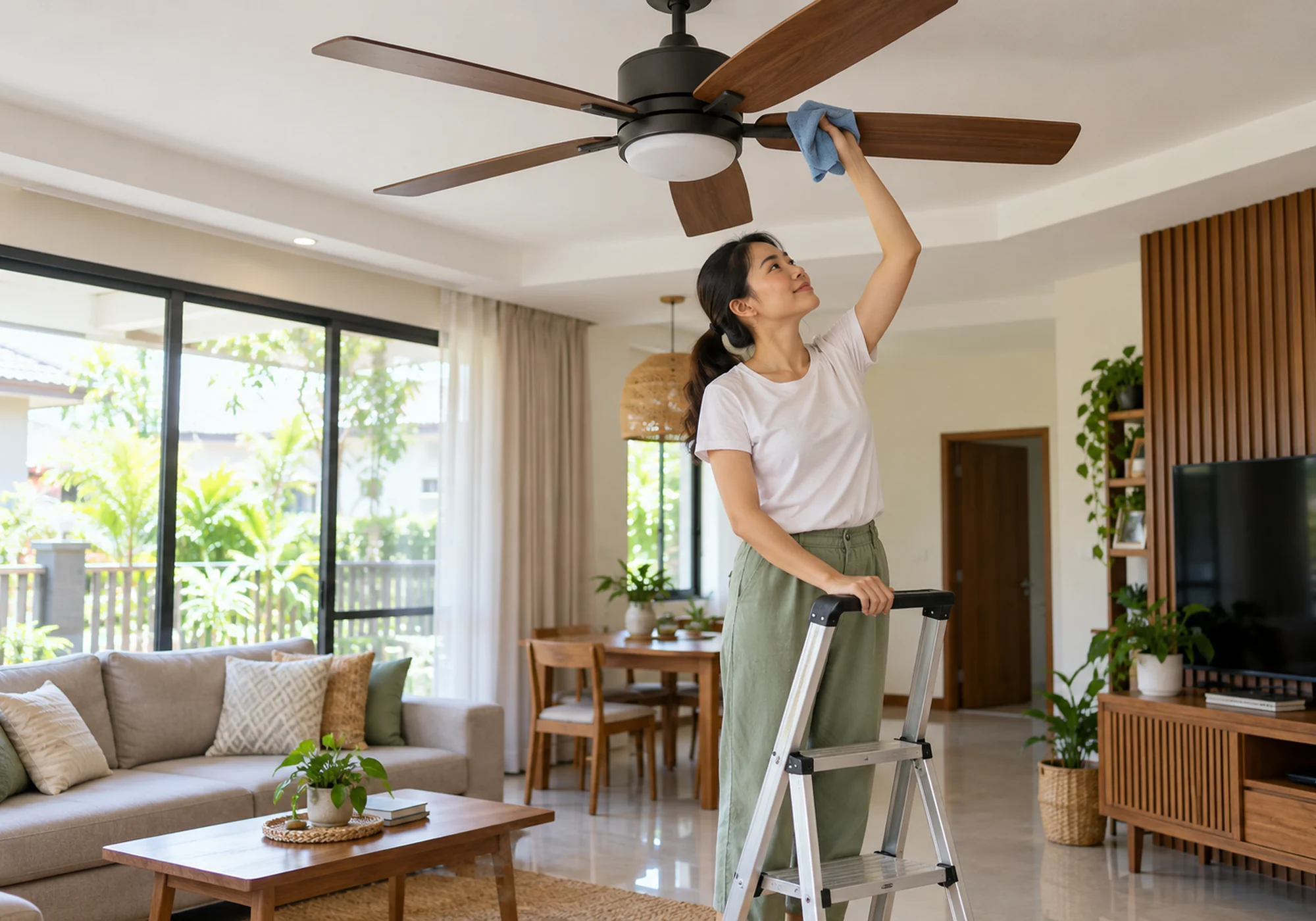
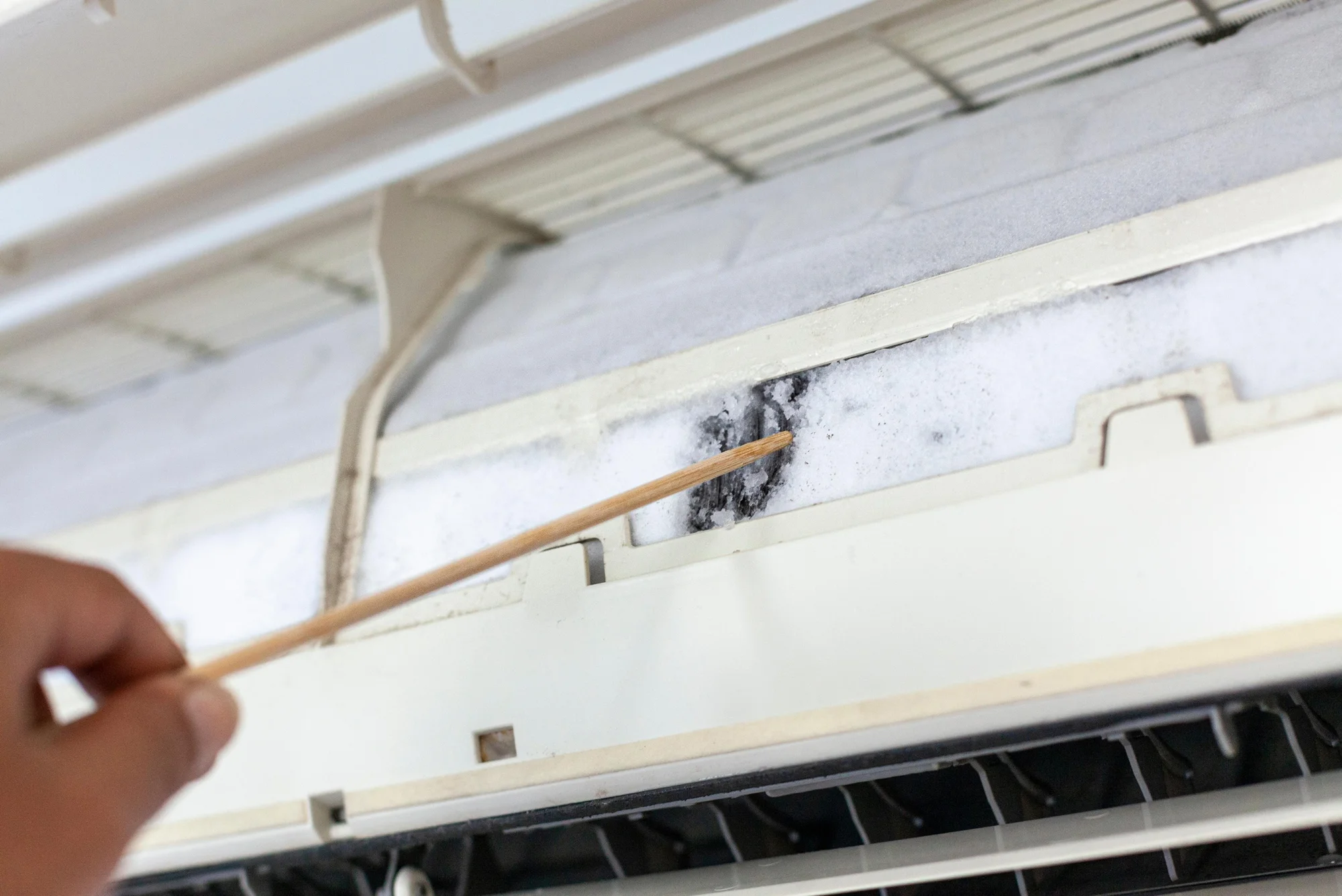
Aircon cleaning in a condo involves more than arranging a technician and choosing a date. The building may control service hours, contractor registration, lift reservations, work permits, noise, water disposal, and access to an outdoor unit. Planning these details ahead of time can prevent a missed appointment and help the technician work safely within the building’s rules.
This guide focuses on coordination for condo residents and property managers. For equipment-specific process details, review the existing guide to chemical cleaning versus regular aircon cleaning, the split-type aircon cleaning scope and price guide, and the guide to when to call an aircon technician. Confirm all access and work requirements directly with your building and service provider.
Identify the equipment and service location
Before booking, note the unit type, location, brand or model if available, and whether the work concerns an indoor or outdoor component. A window unit, wall-mounted split system, concealed unit, and cassette unit can require different access and preparation. If the outdoor condenser is on a ledge, service balcony, or building-maintained area, do not assume that the technician can reach it without approval.
Take a clear photo of the unit label or the equipment from a safe position. Do not climb, lean outside, remove covers, or access a restricted service area to take it. Tell the provider what you know and ask which details are needed. Describing the unit accurately helps the provider select a technician and prepare tools, while building staff can clarify what work and access are permitted.
Ask building management about requirements early
Condominium policies vary. Ask the admin office about contractor registration, required identification, service-hour limits, work permits, security deposits, insurance documents, lift bookings, and any advance notice. Some buildings may require a resident or authorized representative to be present. Others may have specific rules for deliveries, tool movement, or the use of common areas. Confirm the current process instead of relying on a neighbor’s past experience.
Request the requirements in writing or save the admin’s instructions. Provide the technician’s company details and appointment window in the format the building requests. If approval is pending, do not assume the service is confirmed. A missed lift booking or incomplete contractor registration can prevent entry even when the technician has arrived. Keep the building contact number accessible on appointment day in case security has questions.
Clarify outdoor-unit and façade access
Outdoor condensers and service ledges raise access and fall risks. Residents should not climb out of windows, stand on railings, or attempt to clean exterior equipment themselves. Ask whether the unit is reachable from an approved service balcony or requires a building-authorized contractor. The provider should confirm whether the planned work is within its capabilities and whether any additional safety equipment or permissions are needed.
Do not direct water, debris, or chemical residue toward neighboring balconies, windows, or shared drainage. If the unit sits in a common area, the property manager may need to coordinate access or confirm the approved disposal procedure. Ask who is responsible for protecting the unit and adjacent finishes. If the requested work would require rope access, façade access, or a restricted mechanical area, arrange it through qualified personnel and the building’s formal process.
Plan the work area inside the unit
Make a clear route from the entrance to the indoor unit and move furniture or fragile décor that could be struck. Identify where the technician can place tools, protective covers, and removed parts. Protect nearby electronics and keep children and pets away from the work zone. If the unit is above a bed, desk, or built-in cabinet, ask the provider whether that layout affects the cleaning method or appointment time.
Check whether a nearby outlet, drain, or water source is needed, and confirm that it is safe to use. Do not remove the aircon casing, open electrical components, or disconnect wiring to make the work easier. If the unit has an active leak, unusual noise, or a burning smell, report it before booking and ask whether a diagnostic visit is needed first. The cleaning team should know about conditions that may change the service or require repair.
Coordinate schedules and access
Choose a time that allows building approval, technician arrival, and enough time for work and cleanup. Ask the provider for an arrival window and expected duration, recognizing that the condition and type of unit may affect it. Avoid scheduling the visit immediately before a meeting, move-in inspection, or another building service that could limit access. If multiple units need attention, list them and confirm whether they can be handled in one appointment.
Decide who will meet the technician: the resident, property manager, or authorized representative. Share instructions about reception, parking, loading, service lifts, and key handoff. Do not send access credentials or keys through an informal channel unless the building and provider have a documented process. If the technician needs to enter more than one room or balcony, confirm those areas are accessible and that any household restrictions are understood.
Confirm water, drainage, and cleanup arrangements
Ask the technician how the work will manage wash water, condensate, and debris. The method depends on unit type and building rules. Confirm where protective materials will be placed and how the work area will be left. Do not allow wastewater to be poured into a balcony, common walkway, planter, or drain unless the building explicitly permits it and the provider confirms the method is suitable.
Protect nearby furniture, curtains, flooring, and electronics. Remove small items from the immediate area and identify anything that is delicate or must remain untouched. If the unit is near a fire alarm, sprinkler, or ceiling feature, point it out so the technician can plan around it. Ask who will remove protective coverings and how any incidental moisture or debris will be handled before the technician leaves.
Document the scope and any exclusions
Write down the units to be serviced, the intended cleaning method, indoor and outdoor access, included components, estimated time, and any exclusions. Confirm whether the quote includes inspection, filter cleaning, drainage checks, or additional work only after resident approval. A clear scope reduces misunderstandings when the technician arrives and helps the resident determine whether a separate diagnostic or repair appointment is necessary.
Ask the provider to explain what work it does not perform. Electrical repair, refrigerant service, structural access, and installation may require a different qualified professional. Do not treat a cleaning appointment as an automatic repair visit. If a technician identifies a defect, ask for a clear description and quote before authorizing extra work. For common cleaning scope questions, the existing professional aircon deep-clean process guide can help you prepare what to ask.
Prepare for the appointment day
Make sure the building has approved the visit and the technician’s name matches the submitted details. Keep the route clear, move belongings, secure pets, and be available for questions about the unit. Confirm that the work area is dry and that the technician can reach the controls. If the indoor unit is in a rented condo, obtain the landlord or property manager’s approval where required.
At arrival, verify the scope before work begins. Confirm the technician is authorized to service the unit and that any building paperwork is complete. Ask about a pause or cancellation if access is unsafe, the unit differs from the booking description, or the requested work is outside the agreed scope. A quick pre-work review protects both the resident and service team.
Close out with a building and home check
After the work, check that the work area is clean, protective materials are removed, and all parts or panels are returned as agreed. Ask the technician to explain any visible concern, maintenance recommendation, or repair follow-up. If the unit is restarted as part of the service, confirm that it operates normally before the technician leaves, while following the provider’s directions.
Complete any building closeout procedure, return borrowed access items, and report any issue to the admin office promptly. Save the service record, invoice, and building approval notes for future visits. Good condo aircon cleaning coordination protects access, keeps work within the authorized scope, and gives the technician the information needed to complete the appointment safely and efficiently.
Frequently Asked Questions
What condo approvals are needed before aircon cleaning?
Requirements vary by building. Ask management about contractor registration, work hours, permits, lift bookings, identification, and outdoor-unit access before scheduling.
Can a resident clean an outdoor aircon unit on a balcony ledge?
No. Do not climb, lean outside, or stand on a ledge. Arrange access through the building and qualified technicians approved for that work.
How should a condo prepare for aircon cleaning water and debris?
Ask the provider and building manager where water and debris may go. Protect nearby surfaces and do not pour wastewater into shared areas or drains without approval.
Does a technician need access to both indoor and outdoor units?
It depends on the unit type and agreed scope. Tell the provider where each component is and confirm access and building approval before the visit.
What should a resident confirm before the technician starts work?
Confirm the written scope, technician access, building approvals, work area protection, and any extra charges before work begins.