Call a technician when your aircon keeps leaking, trips a breaker, makes unusual noises, or fails to cool after the user-safe checks in its manual. Routine filter care can remove accessible dust, but it does not diagnose a fault inside the system. Describe the symptom and model when you ask a service provider about cleaning or repair.
The DIY Zone: What You Should and Can Do Yourself
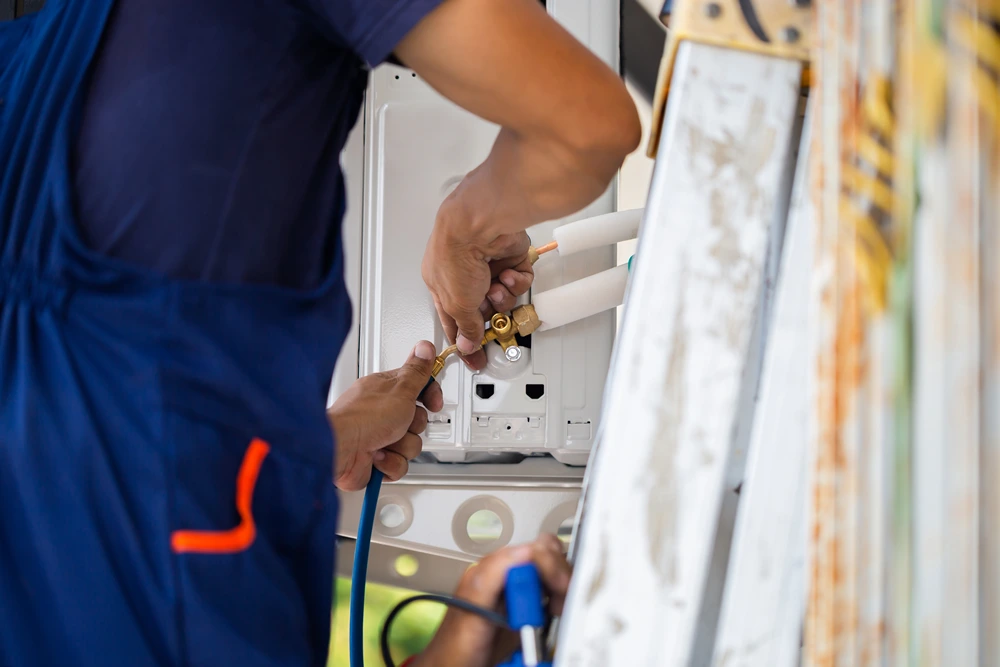
Before we dive into the warning signs, let’s establish what falls safely within the realm of homeowner maintenance. These are the tasks you should be doing regularly to keep your aircon healthy and to rule out simple issues before calling for help.
- Regular Filter Cleaning (Every 2-4 weeks): This is your non-negotiable, number one task. A clogged filter is the root cause of many aircon problems. Washing it with water and mild soap is safe, easy, and incredibly effective.
- Wiping Down the Unit’s Casing and Vents: Use a damp cloth to keep the exterior of your indoor unit clean and free of dust. This is basic hygiene for your appliance.
- Clearing the Area Around the Outdoor Unit: For split-type owners, ensure the outdoor condenser unit is free from obstructions. Trim back plants, remove fallen leaves, and make sure there’s at least a foot of clear space around it for proper airflow.
- Basic Visual Inspection: Regularly look at your unit. Is the front panel secure? Are the louvers (the directional fins) intact? Do you see any obvious debris stuck in the vents?
If you’ve done all of the above and your aircon is still underperforming or showing strange symptoms, you are now entering the “call a professional” zone.
Red Flags for CLEANING: When a Deeper Clean is Needed
These are symptoms that indicate the problem is beyond the filter and deep within the unit’s core. While they are related to cleanliness, they require a professional’s tools and techniques to resolve properly.
Sign #1: A Persistent Musty or Foul Odor
You turn on the aircon, and the room is immediately filled with a smell like a damp basement or old, dirty socks. This is more than just the smell of dust; it’s the unmistakable stench of a thriving colony of mold, mildew, and bacteria. These microorganisms grow in the dark, damp environment of your indoor unit, specifically on the evaporator coils and the blower wheel. A simple filter wash will not remove them.
Why Call a Pro? A technician can inspect the coil, blower, drain, and room conditions, then explain which cleaning or repair work is appropriate. A persistent odor needs its moisture source investigated; a chemical treatment alone cannot guarantee it will not return.
Sign #2: You’ve Cleaned the Filter, But Airflow is Still Weak
You’ve diligently washed your filter until it looks brand new, but when you turn the unit on, the airflow is still weak and pathetic. You have to stand right in front of it to feel anything.
Why Call a Pro? This means the blockage is deeper inside the system. The evaporator coils, the radiator-like fins behind the filter, are likely caked in a thick, sticky layer of grime that has built up over years. Air simply cannot pass through this dense blanket of dirt. A professional deep cleaning involves using a pressure washer to safely and effectively blast this grime out of the coils, restoring proper airflow.
Sign #3: You Can See Thick Grime or Mold on the Internal Blower Wheel
If you take a flashlight and peer through the vents where the cold air comes out, you might see the cylindrical fan inside, known as the blower wheel. If its blades are coated in a visible, thick, blackish grime, you have a significant problem that is contaminating the air you breathe.
Why Call a Pro? The blower wheel is notoriously difficult and delicate to clean without being removed. A technician will dismantle the necessary parts of the indoor unit to access and thoroughly clean each individual blade of the wheel, ensuring it is perfectly balanced and sanitized.
Sign #4: It Has Been Over a Year Since the Last Professional Service
Your aircon might seem to be working “okay,” but it’s been a year, maybe two, since it was last serviced by a professional.
Why Call a Pro? Think of professional cleaning as an essential annual “general cleaning” for your home’s most important appliance. It’s preventive maintenance. Over a year, enough internal grime builds up to reduce efficiency, even if the symptoms aren’t dramatic yet. An annual service restores the unit to peak performance, prevents the build-up of mold, and allows a technician to spot minor issues before they become major repairs.
Code Red for REPAIRS: Stop Immediately and Call for Help
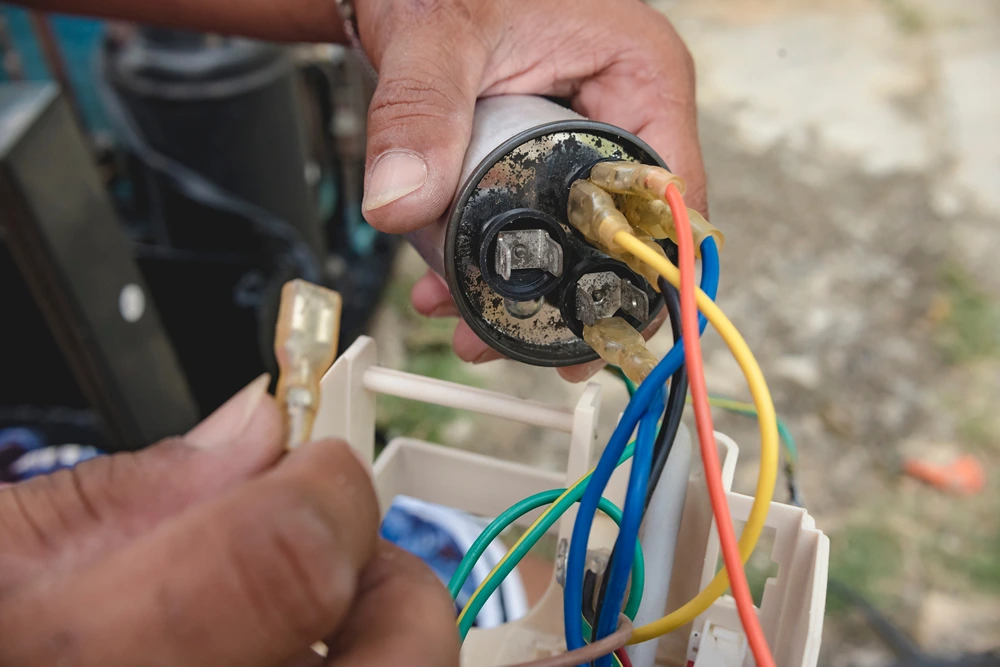
These signs indicate a mechanical or electrical failure. Attempting a DIY fix is not only likely to cause more damage but can be extremely dangerous.
Sign #1: Strange and Loud Noises (Grinding, Squealing, Banging)
Your aircon should produce a consistent, low hum. If it suddenly starts making loud, alarming noises, it’s a mechanical cry for help.
- Grinding/Rattling: Could indicate a failing motor bearing, debris inside the unit, or a loose component.
- Squealing: Often points to a worn-out belt or failing bearings in older units.
- Banging/Clanking: This is a serious red flag, suggesting a broken or loose part like a connecting rod or fan blade inside the compressor or blower assembly.
Why Call a Pro? These are signs of imminent mechanical failure. Continuing to run the unit can cause a broken part to destroy other components, creating a cascade of damage. A technician needs to diagnose the source of the noise and replace the failing part before it causes a catastrophic breakdown.
Sign #2: The Unit is Leaking Water Inside Your Home
You notice water dripping from the indoor unit, staining your wall, or pooling on your floor. This is one of the most common service calls. While often caused by a clogged drain line, it’s not always a simple fix.
Why Call a Pro? A technician will not only flush the drain line properly using a vacuum or pressure, but they will also check for other potential causes, such as a cracked drain pan, a faulty condenser pump, or an improper unit installation angle. Ignoring a leak can lead to severe water damage, promote dangerous mold growth in your walls, and create a serious electrical hazard.
Sign #3: The Aircon Trips Your Circuit Breaker
You turn the aircon on, and after a few seconds or minutes, you hear a “click” from your electrical panel, and the power cuts out. You reset the breaker, but it happens again.
Why Call a Pro? STOP IMMEDIATELY. This is a critical electrical safety issue. It means your aircon is drawing more electrical current than the circuit is designed to handle. The cause could be a short circuit in the wiring, a failing capacitor, or a compressor that is seizing up and trying to pull a massive amount of power. This is not a DIY situation. A qualified technician needs to use a multimeter and other diagnostic tools to safely identify and fix the electrical fault.
Sign #4: The Unit Blows Warm or Lukewarm Air
The fan is working, but the air coming out is not cold. You’ve cleaned the filter and checked the thermostat settings, but there’s no relief from the heat.
Why Call a Pro? This almost always indicates a problem with the cooling system itself. The most common culprits are:
- Refrigerant (Freon) Leak: The system is low on the gas that creates the cooling effect. A technician must find and repair the leak before recharging the system. Handling refrigerant requires a license and specialized equipment.
- Failed Capacitor: A capacitor is a small part that helps the compressor and fan motors start. If it fails, the compressor won’t kick on. This is a common and relatively inexpensive fix for a pro.
- Dead Compressor: This is the worst-case scenario. The compressor is the engine of your aircon. If it has failed, it’s a very expensive repair.

Sign #5: Ice Formation on the Coils or Copper Lines
You look inside your unit and see a layer of frost or ice on the metal coils, or you notice ice on the copper pipes leading to your outdoor unit.
Why Call a Pro? While a severely clogged filter can cause this, if the problem persists after cleaning, it points to a more serious issue, usually a low refrigerant charge due to a leak. Running an aircon in this condition is incredibly inefficient and puts extreme strain on the compressor. A technician needs to properly diagnose the cause of the icing to prevent permanent damage to the unit.
Give the technician useful information
Note the model, symptoms, timing, and any recent cleaning or power interruptions. Ask whether the visit is for diagnosis, cleaning, or repair and how additional work will be approved. That makes the quote and handover easier to understand.