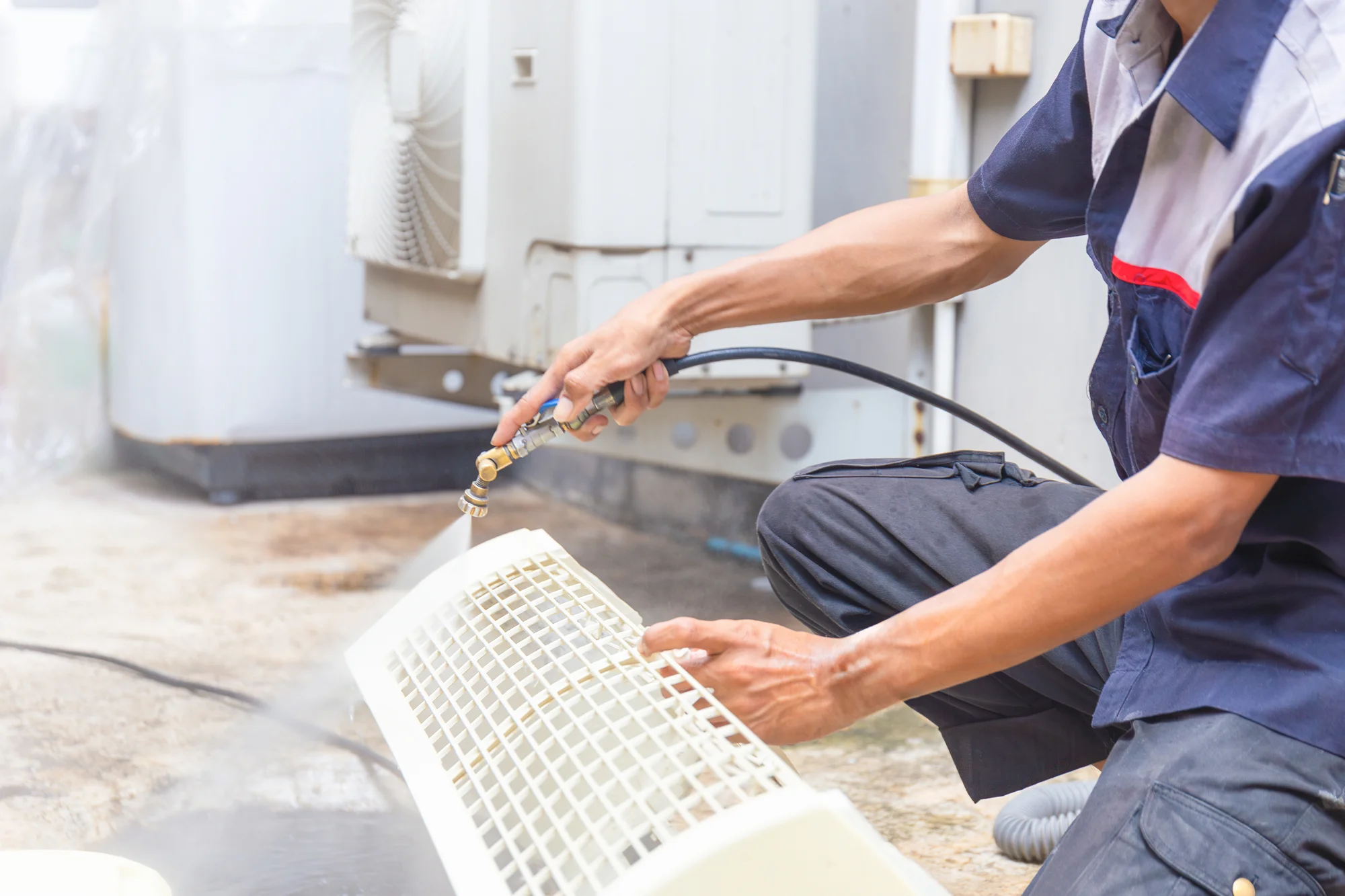
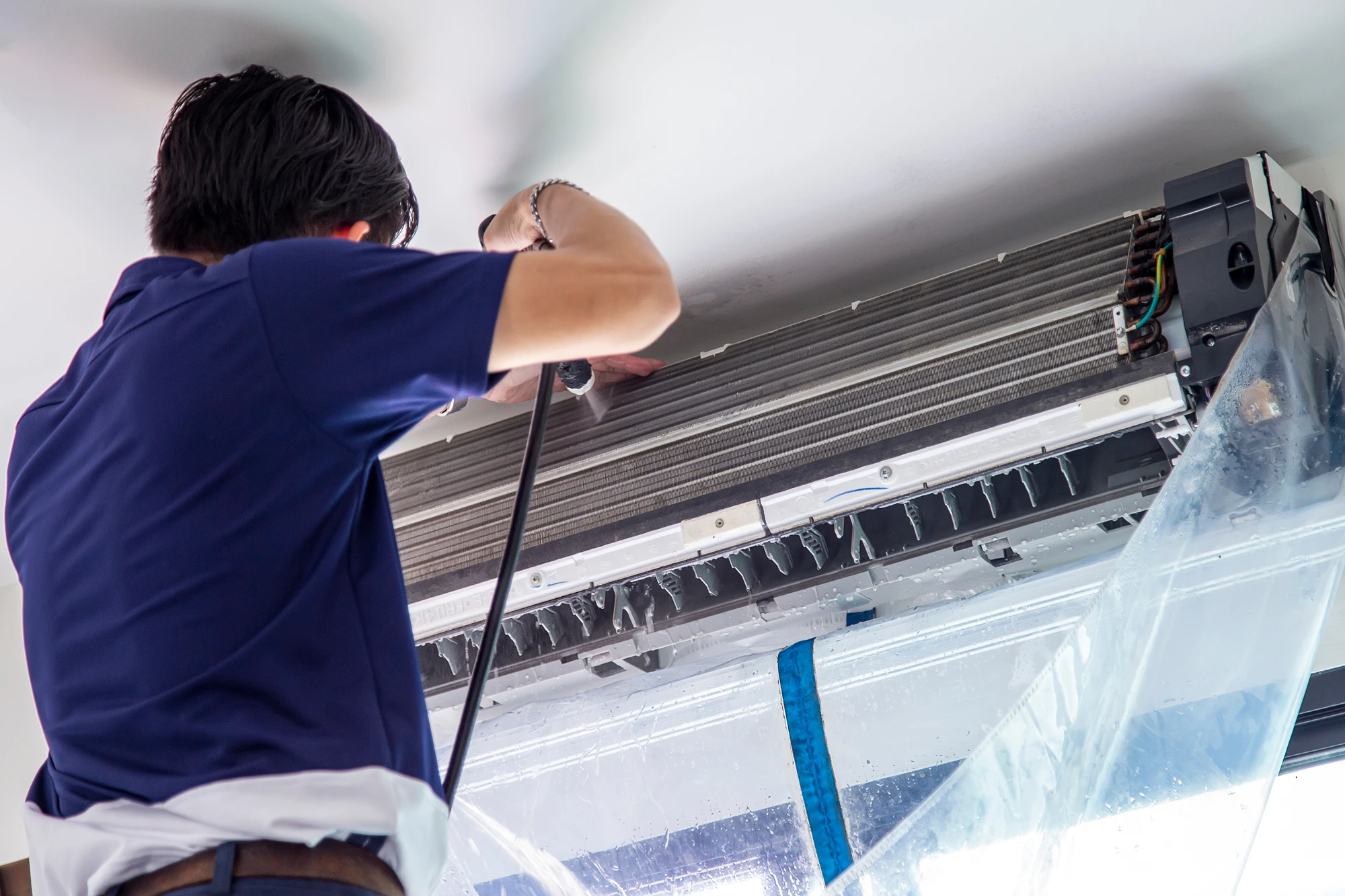
Living in a country with a tropical climate like the Philippines, a reliable air conditioning system is not just a luxury but a necessity. For architects, interior designers, and homeowners who prioritize aesthetics and efficiency, the concealed-type air conditioner offers a sophisticated and powerful solution. Unlike visible wall-mounted or suspended units, this type of aircon is designed to be completely hidden from view, providing powerful and quiet cooling without compromising the visual integrity of a space.
This comprehensive guide will walk you through everything you need to know about concealed-type air conditioners. We’ll explore their unique design, key advantages, and essential maintenance requirements. By the end, you’ll understand why these units are the top choice for high-end residential, commercial, and hospitality spaces, and how professional aircon cleaning is critical to ensuring their longevity and performance.
What is a Ducted or Concealed Type Aircon?
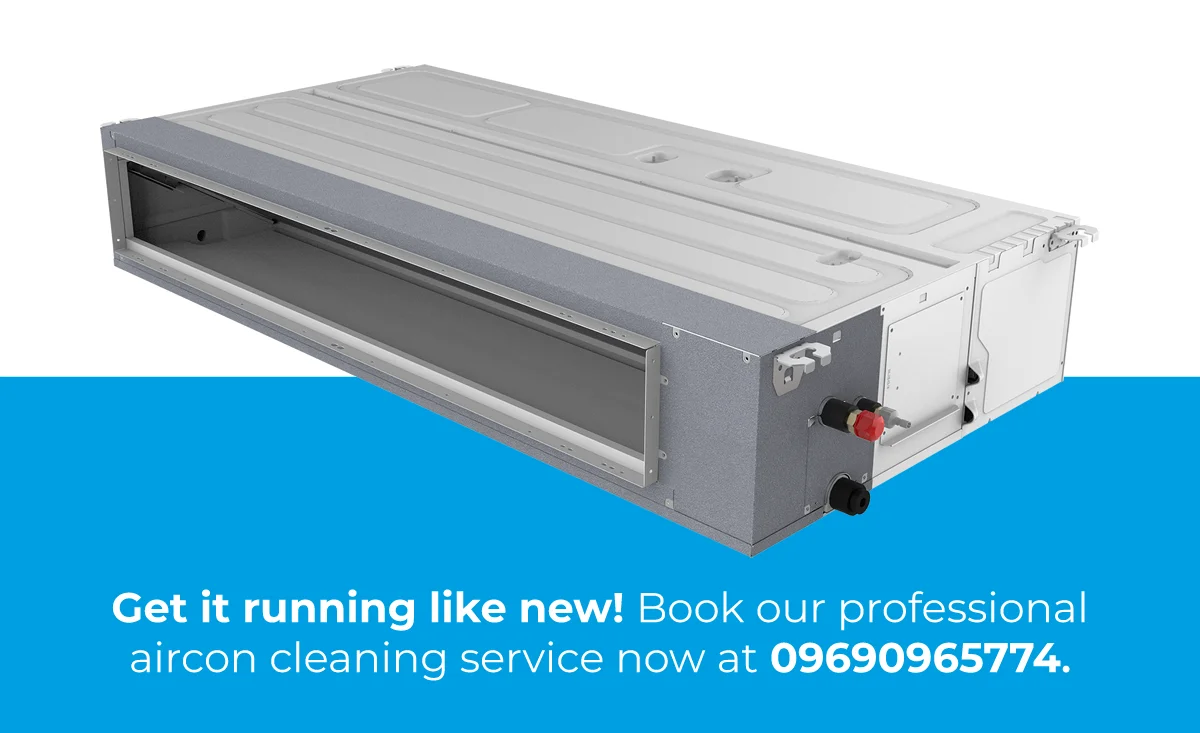
A concealed-type air conditioner, also known as a ducted split-system or central air conditioner, is a split-system AC where the indoor unit is completely hidden from view. The indoor unit is typically installed in a ceiling, above a drop ceiling, or inside a closet. The cooled air is then distributed through a network of ducts to vents located in various parts of the room or multiple rooms.
The system is split into two main components: the indoor unit (evaporator), which is hidden from view, and an outdoor unit (condenser) that houses the compressor. The two units are connected by refrigerant lines and electrical wiring. This design allows the entire system to operate quietly, as the noisy components are located outside, and the air distribution happens through a silent ductwork system. The only visible parts of the system are the elegant air vents and grilles on the ceiling or wall, which can be custom-designed to match the interior.
Advantages of a Concealed Type Aircon
The benefits of a concealed-type aircon are immense, especially for those who value a clean, minimalist aesthetic and high-performance cooling.
1. Unmatched Aesthetics and Design Flexibility
This is the primary advantage of a concealed aircon. Since the entire indoor unit and its piping are hidden, it offers a seamless and clean look that doesn’t interfere with the interior design. This makes it an ideal choice for luxury homes, high-end offices, restaurants, and art galleries where aesthetics are paramount.
2. Superior and Even Air Distribution
A concealed aircon provides superior cooling because it distributes air through multiple ducts and vents. This allows for a uniform temperature throughout the entire space, eliminating hot and cold spots. The system can be designed to cool a single large room or multiple smaller rooms simultaneously, a concept known as zoned cooling, offering both comfort and energy efficiency.
3. Whisper-Quiet Operation
Because the indoor unit is completely hidden from the living space and the fan noise is muffled by the ductwork, a concealed aircon operates with minimal sound. The only sound you’ll hear is the gentle whisper of air coming from the vents, making it an ideal choice for bedrooms, libraries, and conference rooms where a quiet environment is essential.
4. High Cooling Capacity
Concealed-type air conditioners are powerful systems designed to handle the cooling needs of large spaces or multiple rooms. They come in a wide range of capacities, allowing for a single system to cool an entire floor or home, which can be more efficient than running multiple individual units.
Disadvantages of a Concealed-Type Aircon
While a concealed aircon is an excellent solution, it’s not without its drawbacks. Considering these points is crucial before deciding on a purchase.
1. High Initial Cost
The upfront cost of a concealed-type air conditioner is significantly higher than all other types of air conditioners. The specialized design, extensive ductwork, and complex installation process contribute to this higher price. This is a major factor to consider, as it is a substantial investment.
2. Complex Installation
Installation of a concealed aircon requires a professional with specific expertise in HVAC systems and ductwork design. The process involves creating a network of ducts within the walls or ceilings, properly wiring the system, and ensuring the drainage is correctly installed. A poor installation can lead to refrigerant leaks, air leaks in the ducts, reduced efficiency, and other operational problems.
3. Difficult Maintenance
The biggest challenge with a concealed aircon is maintenance. The indoor unit and ductwork are not easily accessible, making a professional deep clean a necessity rather than an option. Neglecting professional maintenance can lead to a host of problems, including mold and mildew growth within the ducts, which can compromise the air quality of the entire home or building.
The Importance of Regular Aircon Maintenance
Regular maintenance is non-negotiable for a concealed-type aircon. Due to its complex system of ducts and coils, it can easily accumulate dust, mold, and other contaminants that can affect performance and air quality.
How Often Should You Clean It?
The frequency of cleaning depends on its use and environment.
- For the air filter: The air filter, located in a return air grille, should be cleaned every two to four weeks. A clogged filter restricts airflow, forcing the unit to work harder and consume more energy.
- For a professional cleaning: A full, professional cleaning should be performed at least once a year. For commercial spaces with heavy usage or in high-dust environments, a cleaning every six months is highly recommended to prevent mold buildup and maintain efficiency.
A Step-by-Step Guide to Basic DIY Cleaning
While a professional deep clean is essential, you can perform some simple maintenance to keep your concealed-type unit in good shape between visits.
Step 1: Turn off the Power. Always start by turning off the unit and unplugging it from the power source to prevent any accidents.
Step 2: Clean the Air Filter. The air filter is usually located behind a return air grille, which you can open to access it. Carefully remove the filter and wash it with warm water and a mild detergent. Let it dry completely before placing it back.
Step 3: Wipe Down the Vents. Use a soft, damp cloth to gently wipe down the visible vents and grilles. This removes any surface dust and grime.
When to Call in the Professionals
A DIY cleaning is a good habit, but it’s not enough to maintain a concealed aircon. The internal components—such as the fan, evaporator coils, and especially the ductwork—are tucked away and are difficult to access. Over time, these parts accumulate stubborn dirt, mold, and mildew, which can seriously affect air quality and cooling efficiency.
Professional cleaners use specialized tools and solutions to perform a deep, thorough clean of every component, including the ducts. They can also identify and fix minor issues before they become major, costly repairs. A professional cleaning not only extends the life of your unit but also ensures that the air circulating in your space is clean, healthy, and safe for everyone.
No Time to Clean? Cleaning Services PH is Here to Help.
We know that a busy schedule can make it difficult to find the time for proper aircon maintenance. At Cleaning Services PH, we understand the importance of a clean and efficient air conditioner for your family’s health and comfort.
Our team of professionally trained technicians is skilled in handling all types and brands of air conditioning units, including complex concealed systems. We use the latest equipment and techniques to deliver a deep, thorough clean that a simple DIY job can’t match. We’ll handle the dirt and grime, so you can enjoy a healthier, more comfortable home or business.
Don’t let a dirty aircon compromise your family’s health or your unit’s performance. Book a professional aircon cleaning service with Cleaning Services PH today. Call us at 09690965774 or email us at hello@cleaningservices.ph.
Your Aircon Brand is Our Expertise
We service and clean all available brands and types of air conditioning units with consistent quality. Our team is thoroughly coached to apply precise cleaning techniques to every system, guaranteeing the efficiency and longevity of your AC.
- Window Type Aircon
- Split Type Aircon
- Floor Mounted or Tower Type Aircon
- Cassette Type Aircon
- Suspended Type Aircon
- U-Shaped Window Type Aircon
- Mobile or Portable Type Aircon
Frequently Asked Questions – Concealed Type Aircon
What is a concealed type aircon?
A concealed type aircon, also known as a ducted or hidden aircon, is a split air conditioning system where the indoor air handling unit is installed completely out of sight above a false ceiling or within a ceiling cavity, with only supply air grilles and return air vents visible in the room. Conditioned air is delivered through insulated ductwork running within the ceiling space, distributing cool air to multiple rooms or zones through ceiling-mounted supply grilles, and returning warm room air to the hidden unit through return vents for reconditioning. This fully concealed configuration provides a completely equipment-free interior aesthetic where no aircon hardware is visible anywhere in the room, giving architects and interior designers complete freedom in the design of the space. Concealed type aircons are used in high-end residential properties, luxury hotels, corporate headquarters, and premium commercial establishments in the Philippines where interior design standards demand a seamless, uncluttered finish. The system can cool a single large room or serve multiple rooms and zones from one central unit, making it a scalable solution for both individual room and whole-building applications.
Why choose a concealed air conditioning system?
Choosing a concealed air conditioning system is the right decision when interior aesthetics, spatial freedom, and the ability to condition multiple rooms from a single system are the primary priorities. The most compelling reason to choose a concealed system is the complete visual elimination of all aircon hardware from the interior, leaving only slim, architecturally integrated air grilles that blend invisibly into the ceiling design. This level of aesthetic cleanliness is unachievable with any visible indoor unit type and is essential for premium residential properties, luxury hotels, and corporate offices in the Philippines where design quality directly affects property value and brand perception. Beyond aesthetics, the complete absence of visible indoor units means walls and ceiling surfaces are entirely free for lighting, art, and architectural features, and furniture can be arranged without any clearance requirements around aircon units. A single concealed air handling unit can serve multiple rooms through a branching duct network, simplifying the overall system and reducing the number of outdoor compressor units, electrical circuits, and maintenance points compared to installing individual split type aircons in each room.
Does a concealed aircon require regular maintenance?
Yes, a concealed aircon requires regular and diligent maintenance to operate efficiently and maintain healthy indoor air quality, and the hidden nature of its components makes consistent servicing even more important since problems are less visible and can develop unnoticed until performance deteriorates significantly. Air filters should be cleaned or replaced every one to three months depending on dust levels and filter type. The evaporator coil of the hidden air handling unit should be professionally cleaned every three to six months to prevent mold, bacteria, and dust buildup that reduces efficiency and degrades air quality. Ductwork requires periodic inspection for dust accumulation, mold growth, pest infiltration, and physical damage, with professional duct cleaning recommended every two to three years, or more frequently in high-dust or high-occupancy environments. The drainage system must be flushed regularly to prevent blockages that can cause water damage to the ceiling cavity and hidden components. The outdoor compressor unit should be cleaned and the refrigerant pressure checked at every maintenance visit. All servicing should be performed by technicians with specific experience in ducted aircon systems to ensure safe and thorough access to all hidden components.