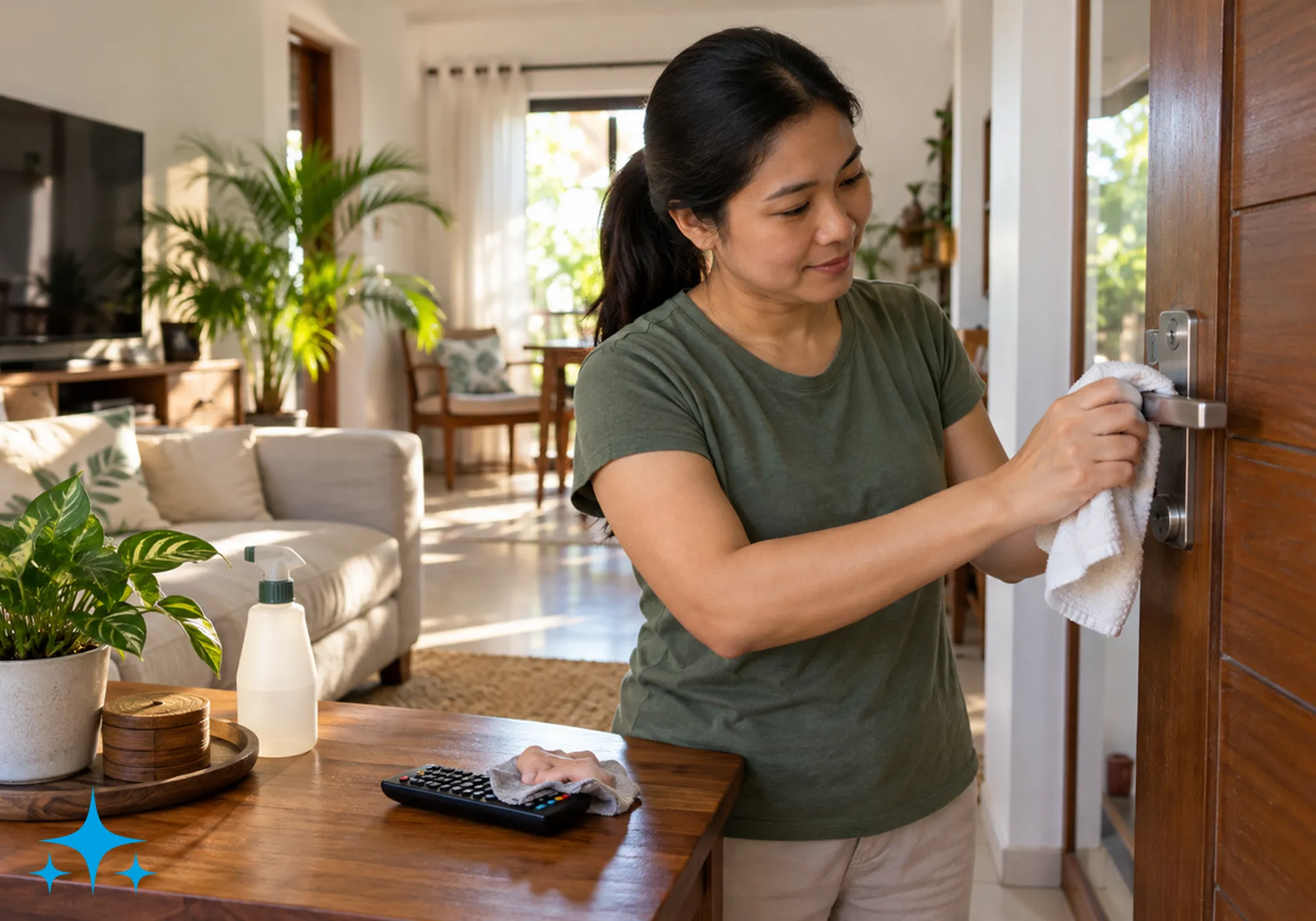
If someone at home has allergies, dust and residue in fabrics and hard-to-reach areas deserve a closer look. Cleaning can reduce some indoor triggers, but it cannot diagnose an allergy or solve moisture problems on its own. A sensible plan starts with the surfaces and materials in your home, then matches the cleaning method to each one.
Regular vacuuming and damp dusting may be enough for some areas. When buildup persists in upholstery or other difficult spots, a professional cleaning visit can help with the agreed tasks. Check the care instructions before requesting wet treatment, and address leaks or dampness separately. The condo humidity guide explains why drying and ventilation matter during the rainy season.
The Unseen Enemies: Common Household Allergens
Before we discuss the solution, let’s identify the culprits. Allergens are substances that trigger an allergic reaction, and many of them are found right inside your home.
1. Dust Mites
These microscopic creatures are the most common trigger for year-round allergies and asthma. They thrive in warm, humid environments and feed on dead skin flakes. Their favorite places to live are mattresses, pillows, carpets, and upholstered furniture. While you can’t see them, their waste products can cause significant allergic reactions.
2. Pollen
Pollen from trees, weeds, and grasses can easily make its way into your home through open windows, on your clothes, and even on your pets. It settles on surfaces and gets trapped in fabrics, causing seasonal allergy symptoms even when you’re indoors.
3. Pet Dander
If you have a furry friend, you’re also dealing with pet dander, the tiny skin flakes shed by animals with fur or feathers. This dander can cling to walls, furniture, carpets, and clothing, remaining airborne for long periods and triggering allergic reactions in sensitive individuals.
4. Mold Spores
Mold can grow anywhere there is moisture, such as bathrooms, basements, and kitchens. It reproduces by releasing tiny spores into the air. Inhaling these spores can cause allergic reactions and other respiratory problems.
5. Cockroach Allergens
This is a less-talked-about but very real trigger. The saliva, feces, and decomposing bodies of cockroaches contain proteins that can cause allergic reactions and trigger asthma symptoms, especially in children.
The Limits of DIY Cleaning
You likely have a regular cleaning routine that involves dusting, vacuuming, and mopping. While this is important for maintaining a tidy home, it often falls short of effectively removing the allergens that are causing your family to feel unwell.
- Standard Vacuum Cleaners: Many household vacuums are not equipped with high-efficiency particulate air (HEPA) filters. As a result, they can actually stir up microscopic allergens and redistribute them into the air, making your allergy symptoms worse.
- Surface Cleaning: Wiping down surfaces with a cloth only removes the allergens that have settled there. It doesn’t address the particles that are still airborne or trapped deep within fabrics.
- Hard-to-Reach Areas: Allergens love to hide in places you don’t think to clean, such as behind furniture, in air ducts, in the crevices of your sofa, and on top of ceiling fan blades. These areas are often neglected during a routine clean.
The cycle of cleaning, only to have allergens return, can be incredibly frustrating. It’s a sign that your approach needs a powerful upgrade.
The Powerful Benefits of Professional Cleaning
A professional cleaning service is equipped with the right tools, knowledge, and techniques to provide a level of cleanliness that directly addresses the root cause of your allergies. It’s a comprehensive solution that goes far beyond a standard tidy-up.
1. Specialized Equipment and Techniques
Professional cleaners use industrial-grade equipment designed for deep cleaning. This includes:
- HEPA Filter Vacuums: These vacuums are specifically designed to trap microscopic particles, including dust mites, pet dander, and pollen, ensuring they are removed from your home and not recirculated into the air.
- Steam methods: Use steam only where both the equipment and surface maker permit it. Heat and moisture can damage some fabrics, finishes, and adhesives.
- Product choices: Ask for the exact products and methods, especially if anyone has fragrance or material sensitivities. Follow label directions and avoid promises of a residue-free result.
2. Careful attention to detail
A professional cleaning team follows a systematic process to ensure no area is overlooked. They clean and sanitize all surfaces, including those you might not think to clean regularly. This includes:
- Thorough Dusting: They clean all surfaces, including light fixtures, ceiling fans, blinds, and baseboards, where dust and dander often accumulate.
- Deep Carpet and Upholstery Cleaning: They use professional equipment to extract allergens from deep within your carpets, rugs, and furniture, places where dust mites and pet dander love to hide.
- Targeted Sanitization: They pay special attention to high-touch surfaces like doorknobs, light switches, and remote controls, using suitable products for the agreed surfaces. Cleaning can remove soil and some residue, but it cannot eliminate every allergen.
3. Improved Indoor Air Quality
Cleaning accessible dust from compatible surfaces can be one part of managing indoor conditions. Ventilation, moisture, fabrics, and outdoor air also matter. A cleaning visit cannot establish the cause of an allergy or guarantee symptom relief.
4. A Strategic Partnership for Your Health
If you book recurring visits, agree on the dusting, vacuuming, and fabric-care tasks most relevant to your home. Review the results and keep addressing moisture or other sources separately. Discuss persistent symptoms with a healthcare professional.
Plan the next cleaning visit
Tell the provider which rooms and materials concern you, what has already been tried, and whether there are fragrance or product restrictions. A one-time clean can address specific buildup; recurring visits can help maintain the areas in the agreed scope. Neither replaces medical advice, ventilation, leak repair, or treatment of a persistent mold problem.
If symptoms continue, discuss them with a qualified healthcare professional. For cleaning, request a written task list and ask how delicate fabrics and damp areas will be handled.