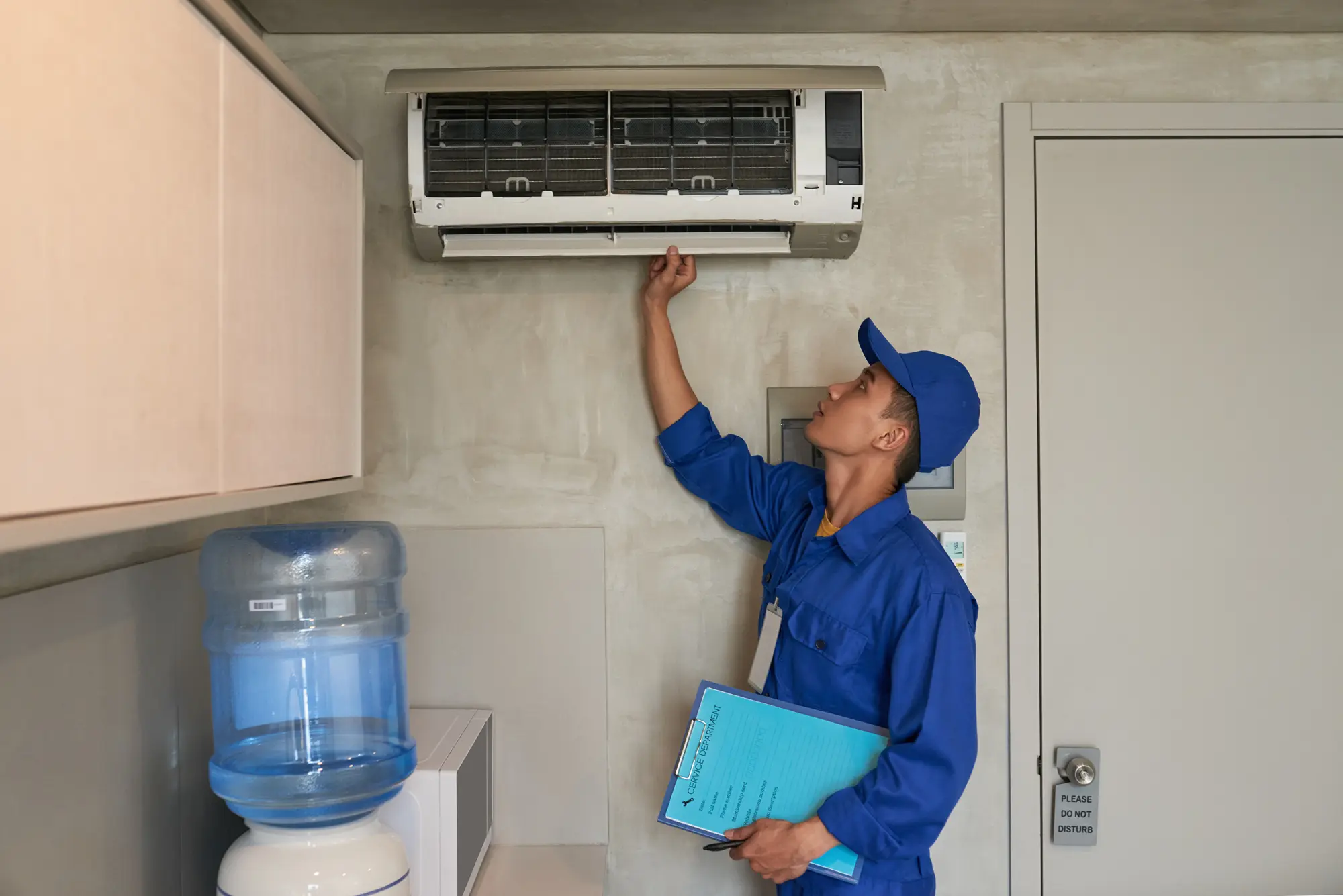
Coworking spaces bring independent workers, small teams, visitors, and event groups into shared rooms throughout the day. Desks may turn over several times, phone booths can stay booked, and the kitchen may see heavy use at lunch. A practical coworking space cleaning plan recognizes these patterns, defines who handles shared tasks, and keeps rooms ready without interrupting members’ work.
This plan focuses on scheduling, scope, and communication for shared work environments. Adapt the existing office cleaning priority checklist and shared pantry cleaning schedule for your layout. If a professional service is part of the plan, review commercial office cleaning and agree on member access before work begins.
Map the member journey
Walk through the space from the entrance to the most-used work zones. Note the reception area, hot desks, meeting rooms, phone booths, focus rooms, pantry, restrooms, printer station, lockers, and event space. Record which areas are open to all members and which require booking or special access. A map helps the cleaning team see traffic flow and prevents forgotten corners from being hidden behind a general “common area” label.
Next, identify peak occupancy windows. A coworking space may be busiest midweek, while event rooms may be used after regular desk hours. Booking software or anonymized room counts can reveal patterns without collecting individual work habits. Use the information to schedule room resets when spaces are naturally vacant. Revisit the map when the membership mix changes, a new floor opens, or an event program becomes more frequent.
Define member and provider responsibilities
Shared spaces work better when members know what they are expected to do. State that users should clear food, personal papers, and belongings from desks after use; wipe or report spills; return chairs; and leave meeting rooms in a reset condition. Keep the rules short and visible near the relevant spaces. Do not rely on members to perform detailed cleaning that belongs in the facility plan.
Define what the cleaning team handles: routine floor care, reachable surface dusting, restroom checks, pantry cleaning, waste removal, and room turnover tasks. Clarify who refills supplies, who reports maintenance problems, and who responds to an urgent spill. If membership staff perform a quick reset between bookings, give them a simple checklist and appropriate supplies. Separate cleaning from repair work; a cleaner should be able to flag a loose fixture or leak without being expected to fix it.
Plan hot-desk and workstation turnover
Hot desks need a visible reset routine that respects member property. Set a clear end-of-use expectation for removing personal items, papers, cups, and food. Cleaning staff should not sort or discard belongings unless the space has a published lost-property procedure. Post a short reminder in the booking system or at each desk so users know how to leave the workstation ready for the next person.
Specify which desk surfaces are cleaned, when, and with what compatible method. Avoid spraying directly onto keyboards, monitors, docking stations, or cables. If the facility provides shared accessories, name them in the schedule and follow manufacturer care directions. Provide a process for reporting a sticky surface or broken chair. If desks are occupied continuously, schedule a quiet interval or offer members a choice of another workstation while the area is serviced.
Keep meeting rooms and phone booths ready
Meeting rooms turn over quickly, so the reset should focus on visible and frequently touched areas: table surfaces, chair arms, door pulls, whiteboard ledges, and waste bins. Identify whether the room includes a shared display remote, conferencing equipment, or microphones, and follow the manufacturer’s instructions for those devices. The cleaning team should not unplug or rearrange cables unless that responsibility is explicitly assigned.
For phone booths and small focus rooms, check floor crumbs, fingerprints, ventilation complaints, and remaining cups or paper. A short check between heavily used bookings may be useful, while full cleaning can occur at a scheduled low-occupancy time. Add a sign or booking status when a room is being serviced. This prevents a member from walking in during cleaning and gives the team uninterrupted access without interrupting more people than necessary.
Manage the shared kitchen and food waste
Shared kitchens need a mix of user habits and scheduled service. Members should label food, remove personal items, wipe obvious spills, and follow a posted policy for old items in the refrigerator. The cleaning schedule can cover counters, sink, appliance exteriors, table surfaces, floor, bin lids, and supply checks. Clarify whether the refrigerator interior and microwave interior are included; these tasks may require additional time and a separate food-handling procedure.
Plan a routine for collecting food waste and removing overflowing trash before it creates odor or attracts pests. Use closed containers where appropriate and follow the building’s waste rules. Avoid pouring grease, coffee grounds, or solids into drains. A weekly deeper pantry check can focus on cabinet fronts, handles, and less-used shelves. The linked pantry schedule can be adapted to your member hours and local building requirements.
Set restroom checks to usage patterns
Restrooms are a core shared amenity. Establish a documented check frequency based on occupancy, fixture count, and building operations. Each check can note floor condition, visible cleanliness, supplies, odor, and maintenance problems. Keep a clear escalation process for spills, clogged fixtures, empty dispensers, or a plumbing issue that requires facilities staff. If the restroom is busy all day, assign more than one check window rather than relying solely on an end-of-day service.
Use separate tools and cloths for restroom work and pantry or desk surfaces. Store products securely and label them. Cleaning and disinfecting are distinct actions; select products based on the facility’s needs and follow the label, including contact time. Keep a short log that records when the area was checked and what follow-up is needed. For task detail, adapt the busy workplace restroom checklist.
Coordinate events and after-hours access
Events can change traffic patterns, create extra waste, and extend use beyond normal operating hours. Add a pre-event walk-through for reception, restrooms, seating, floors, and supplies. Confirm who sets up and moves furniture, where catering waste goes, and what surfaces are included in a post-event reset. Do not assume the regular schedule covers an unusual event; identify the extra work and request it through a defined channel.
After-hours service may be helpful when members work late or event rooms need a reset. Establish how doors are locked, who controls keys or badges, what rooms are excluded, and how cleaners report an access problem. Follow the facility’s security procedure and avoid sharing credentials. See the existing guidance on after-hours cleaning access and handover to create a reliable closeout routine.
Use a zone-based daily, weekly, and periodic schedule
Daily work can cover entrances, restrooms, bins, pantry surfaces, visible spills, and frequently used rooms. Weekly work can include more detailed dusting of reachable surfaces, meeting room touchpoints, interior glass, and corners that a fast pass may miss. Periodic work can cover baseboards, behind movable furniture, floor maintenance, or other tasks that depend on material, access, and vendor capability.
Put each task on a calendar with a zone, frequency, owner, and completion method. Avoid making one generic checklist that repeats the same tasks regardless of room. A meeting room and a rarely used storage room have different needs. Rotate low-traffic zones into the plan so they are not overlooked. Match the task to the surface, and route any ladder work, exterior windows, or mechanical maintenance to qualified personnel with the necessary approval.
Make quality checks easy to act on
Invite members to report a problem through one visible channel, such as a front desk log, facilities form, or QR code. Ask them to name the room and describe the issue, not the staff member. For routine service reviews, inspect a sample of zones against the written scope, check supply levels, and look for recurring complaints. Share findings with the cleaning provider and agree on an action, owner, and date.
Use the data to adjust only what needs changing. If a room becomes busy after a schedule shift, move its cleaning window or add a turnover check. If a repeated complaint concerns a damaged finish, change the method or request repair rather than adding stronger chemicals. A coworking space cleaning plan should be reviewed regularly, but it should remain simple enough that members, managers, and cleaning staff can understand it at a glance.
Frequently Asked Questions
How often should coworking spaces clean shared desks?
Set daily tasks for busy shared desks, meeting rooms, restrooms, pantry areas, waste, and visible spills. Adjust the plan to use and facility policy.
Who should be responsible for resetting meeting rooms between bookings?
Assign a host or facilities role to clear the room, while cleaning staff handle agreed surface and floor tasks. State responsibilities in the room checklist.
What areas of a coworking space need daily cleaning?
Entrances, shared desks, meeting rooms, phone booths, pantry areas, restrooms, and frequently used touchpoints often need daily attention.
How can a coworking space handle cleaning after an event?
Plan a pre-event check and a post-event reset. Specify furniture, waste, restrooms, access, and any extra work beyond the regular schedule.
What should be included in a coworking space cleaning log?
Record the date, zone, task completion, supply needs, access issues, and maintenance concerns. Keep it brief enough for staff to use consistently.