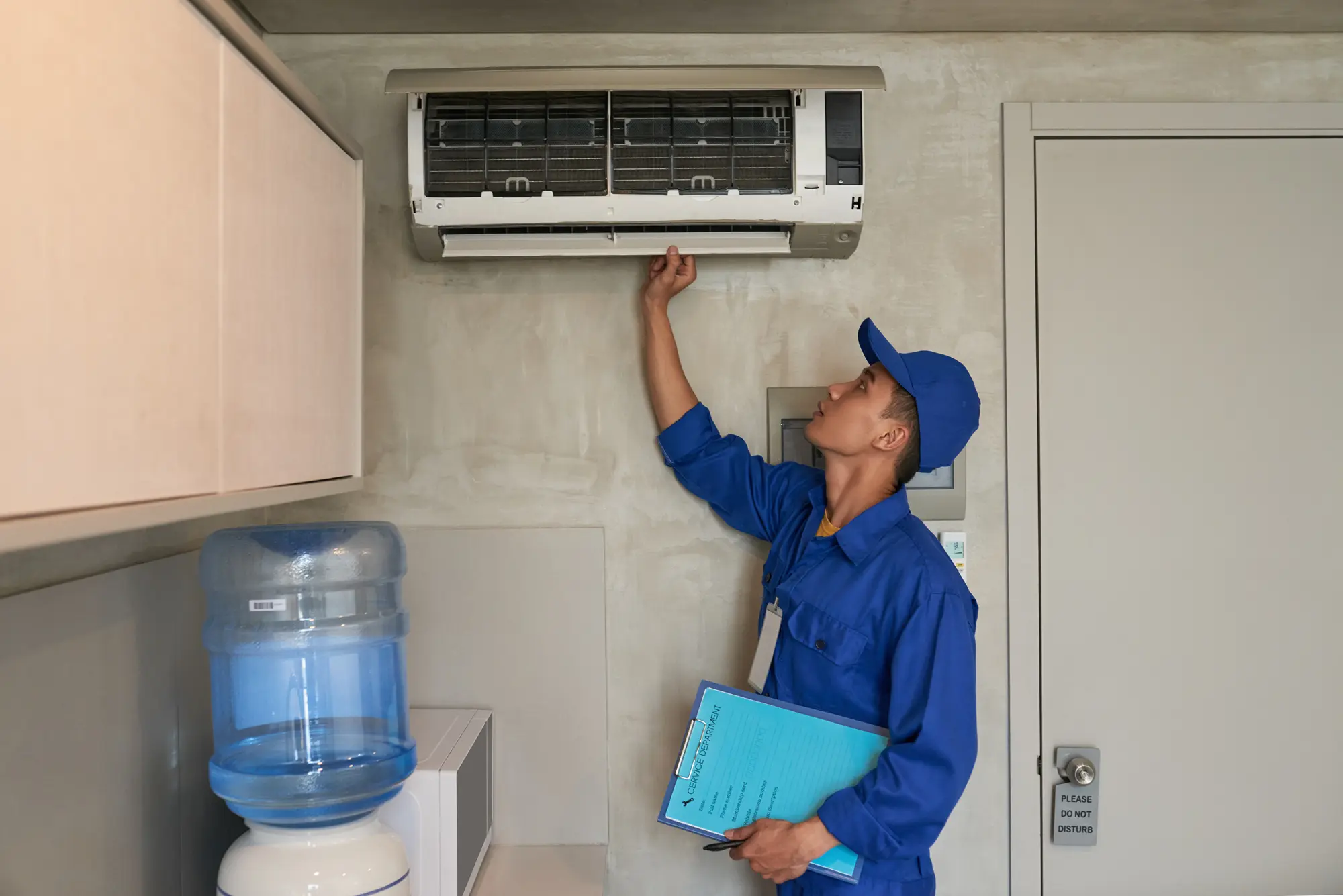
Dust, damp materials, and frequently touched surfaces can make a home or workplace uncomfortable and harder to maintain. The response depends on the problem. Routine cleaning removes ordinary soil; a leak, damaged material, or persistent mold needs a separate assessment and repair.
Use the sections below to decide what deserves closer attention, then put the relevant work into a clear cleaning scope. A commercial deep clean, seasonal visit, or occasional clean serves a different need. If moisture is recurring, see the humidity and mold prevention guide before treating a surface mark as the whole problem.
The Unseen Dangers: Allergens, Germs, and More
A dirty environment is more than just unsightly. It’s a physical threat to your health, silently contributing to a range of issues.
1. Allergies and Respiratory Issues
This is one of the most common and immediate health risks. A dusty, unclean space is a haven for allergens that can trigger a variety of allergic reactions and respiratory problems.
- Dust Mites: These microscopic creatures live in dust and feed on dead skin cells. They thrive in mattresses, pillows, carpets, and upholstered furniture. The waste they produce is a common allergen that can cause sneezing, a runny nose, itchy eyes, and even trigger asthma attacks.
- Pollen: Pollen from trees and grasses can hitch a ride into your home on clothes, shoes, and pets. Once inside, it settles on surfaces and gets trapped in fabrics, leading to seasonal allergy symptoms even when you’re indoors.
- Pet Dander: If you have a cat or dog, their dander (tiny skin flakes) can accumulate everywhere. It’s a major allergen that can remain airborne for long periods, causing allergic reactions and affecting indoor air quality.
For a business, poor indoor air quality can lead to what’s known as “sick building syndrome,” causing employees to experience headaches, fatigue, and respiratory irritation. This not only impacts morale but can also lead to increased sick days and a drop in productivity.
2. The Spread of Germs and Bacteria
Every surface you touch can be a carrier of germs. In a home, this includes doorknobs, light switches, remote controls, and kitchen countertops. In an office, it’s keyboards, phones, breakroom tables, and shared equipment.
- High-Touch Surfaces: These areas are breeding grounds for bacteria and viruses. Without regular disinfection, they can facilitate the spread of illnesses like the common cold, flu, and other infectious diseases.
- Bathrooms and Kitchens: These areas are particularly prone to harboring harmful bacteria like E. coli and Salmonella. In a commercial setting, a lack of proper sanitation in these communal spaces can pose a significant health risk to employees and clients.
A truly clean space isn’t just about looking tidy; it’s about being hygienic and sanitized.
3. Mold and Mildew
Mold and mildew thrive in damp, dark environments. They can be found in bathrooms, basements, under sinks, and in areas that have experienced water damage. Mold releases spores into the air, which can cause:
- Allergic Reactions: Symptoms can range from sneezing and a stuffy nose to skin irritation.
- Asthma Attacks: For individuals with asthma, mold exposure can trigger severe attacks.
- Other Health Issues: Long-term exposure to mold can be linked to more serious respiratory problems and other health complications.
A professional cleaning service can identify and treat areas with mold and mildew, preventing them from spreading and becoming a larger problem.
The Limits of a Routine Clean
Most of us maintain a regular cleaning routine, a quick vacuum, a light dusting, and a wipe-down of surfaces. While this is helpful, it’s not enough to combat the hidden health risks.
- Surface-Level Cleaning: A routine clean only addresses the visible mess. It doesn’t reach the allergens trapped deep within your carpets, the grime on top of your ceiling fans, or the bacteria lurking behind your appliances.
- Lack of Specialized Tools: Household mops, vacuums, and cleaners often lack the power and technology to truly sanitize a space. They can even make things worse by stirring up dust and redistributing it into the air.
- Inconsistent Focus: When you’re busy, it’s easy to rush through chores and miss key areas, allowing germs and allergens to accumulate over time.
This is where a professional, deep, or seasonal cleaning service becomes not just a convenience, but a necessity.
How a Professional Deep Clean Can Help
A professional cleaning service is equipped with the right tools, knowledge, and techniques to provide a level of cleanliness that directly addresses the root cause of these health risks. It’s a comprehensive solution that goes far beyond a standard tidy-up.
1. A Deep Clean for Residential Properties
A residential deep cleaning visit can address buildup in the rooms and surfaces named in the scope. Ask which detailed tasks are included and what requires specialist work.
- Dust removal: Ask what vacuum and attachments are suitable for the surfaces. A HEPA-filtered vacuum can be useful for dust control, but cleaning cannot remove every allergen from a home.
- Comprehensive Sanitization: They meticulously clean and sanitize all surfaces, including doorknobs, light switches, and remote controls. In the kitchen, they tackle the inside of appliances and hidden grime on stovetops and range hoods. In bathrooms, they scrub grout, remove soap scum, and disinfect all surfaces to eliminate germs.
- Indoor conditions: Removing accessible dust and soil is one part of home maintenance. Ventilation, leaks, damp materials, and medical concerns need their own attention.
2. A Deep Clean for Commercial Properties
A clean commercial space is a non-negotiable part of a successful business. Our Commercial Deep Cleaning service provides a complete, top-to-bottom clean for a truly refreshed business environment. This service is essential for addressing the health and safety risks of high-traffic areas.
- High-touch surfaces: Agree on compatible methods for handles, desks, and shared areas. Electronics need their own care instructions, and cleaning should not be presented as a guarantee against illness.
- Industrial-Grade Equipment: We use specialized equipment and techniques to tackle the toughest jobs. For floors, we can perform services like stripping and waxing to remove years of built-up grime and germs. We also use powerful vacuums to deep-clean carpets and upholstery, removing embedded allergens and pollutants.
- Meeting Health Standards: A professional deep clean ensures your business meets health and safety standards, which is vital for passing inspections and protecting your reputation.
Choose the work that addresses the problem
Begin with visible soil and the surfaces people actually use. Agree on the rooms, touchpoints, and methods in a written cleaning scope. If dampness, damage, or a recurring odor remains, arrange the relevant inspection or repair instead of repeatedly applying cleaner.
For a home or workplace, describe the space and the areas of concern when requesting a quote. A clear scope makes it easier to judge whether the visit addressed the cleaning tasks you agreed on.