Quick answer: A short-stay rental turnover needs a repeatable room checklist, enough time between guests, clean linens and consumables, a damage-report process, and a final inspection before check-in. Cleaning the space and preparing it for the next guest are related but separate tasks. Define which person launders linens, restocks supplies, reports maintenance issues, and confirms that the unit is ready. A rushed surface wipe cannot replace a controlled handover.
An Airbnb or vacation rental can receive a new guest only hours after the previous one leaves, so a reliable cleaning handover needs more than a quick wipe-down. Hosts need an operational guide more than a generic promise of a spotless unit. A condo in Manila, a beach house in Batangas, and a small apartment in Cebu have different access and laundry logistics, but the turnover principles are the same. This checklist helps hosts and property managers build a service scope that can be inspected from booking to booking.
Build the checklist around the guest journey
Imagine the guest opening the door, putting down a bag, using the bathroom, preparing food, sleeping, and checking out. Check the entryway, floor, switches, handles, remote controls, visible surfaces, lighting, water, and Wi-Fi instructions where the host is responsible. A room can look attractive in photographs yet fail because the shower drain is slow, a bin is full, or the only clean towel is missing. Separate cleaning tasks from maintenance and inventory checks so problems reach the right person.
The site’s Airbnb rental cleaning service covers guest turnover. The vacation rental cleaning service addresses similar needs for other short stays. A host should still specify the exact property, amenities, and check-in standards rather than relying on a platform label.
Set a realistic turnover window
Calculate the time from check-out to check-in, then subtract travel, building access, laundry transfer, inspection, and a buffer for unexpected mess. Do not assume a two-bedroom unit can be fully cleaned, linens washed and dried, and a maintenance issue repaired in a narrow slot without planning. If the same-day window is too short, use spare linen sets, off-site laundry, or a later check-in. Tell cleaners about early arrivals and late check-outs promptly.
Condo rules can restrict service elevators, contractor entry, or parking. A vacation property may require travel to a remote location and access to a locked utility closet. Provide an approved way to enter and a backup contact. A team that reaches the property but cannot obtain keys cannot complete the schedule.
Bedroom and linen checks
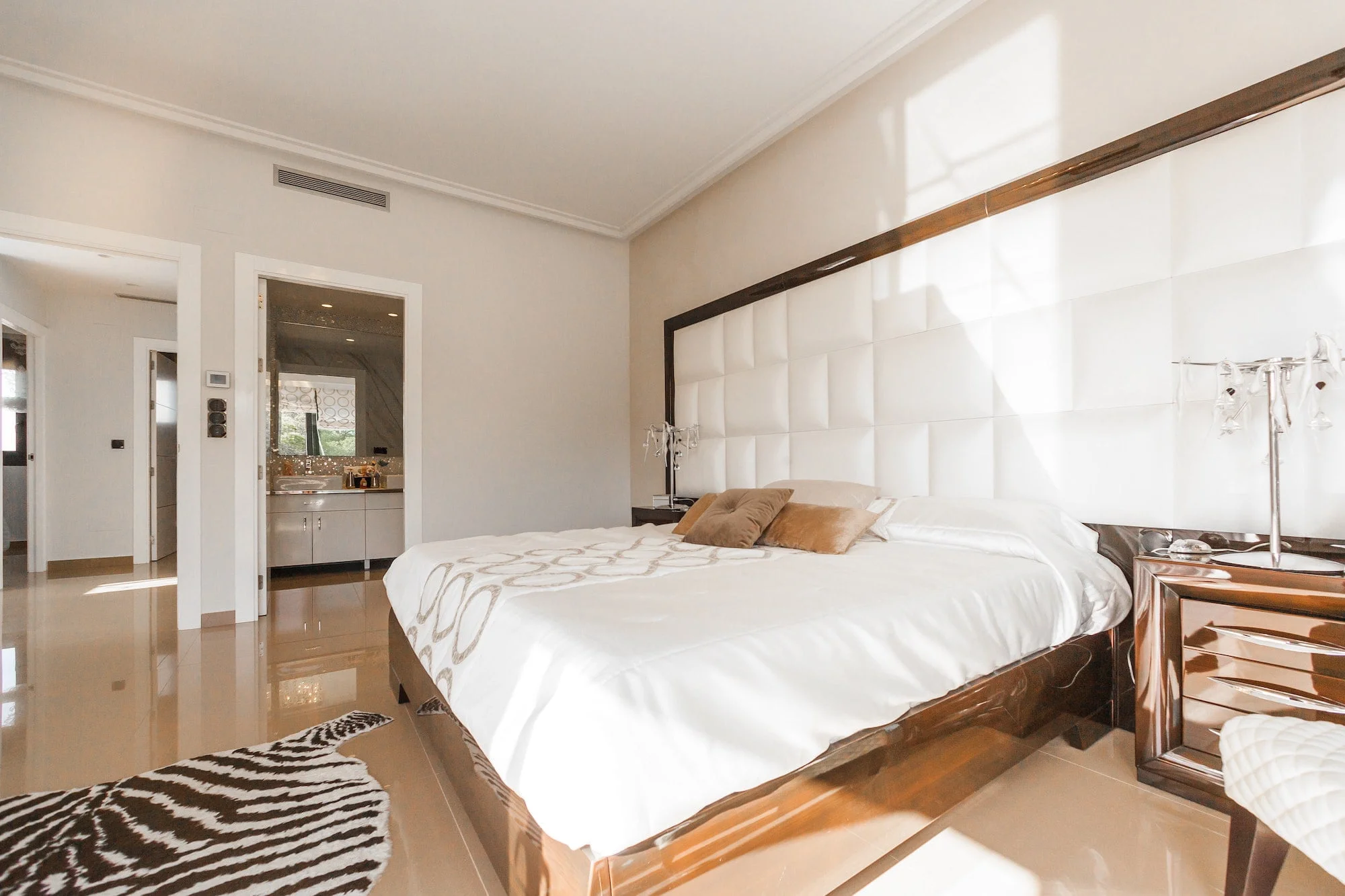
Remove used linen and inspect mattresses, pillows, headboards, under-bed areas, and bedside surfaces. Replace sheets and pillowcases with clean, dry sets. Count towels against the guest capacity and check for damage or missing items. Do not place damp textiles into a closed cabinet. Agree whether the cleaner launders on-site, sends items out, or simply exchanges sets supplied by the host. This labor can dominate the turnaround time and must be in the quote.
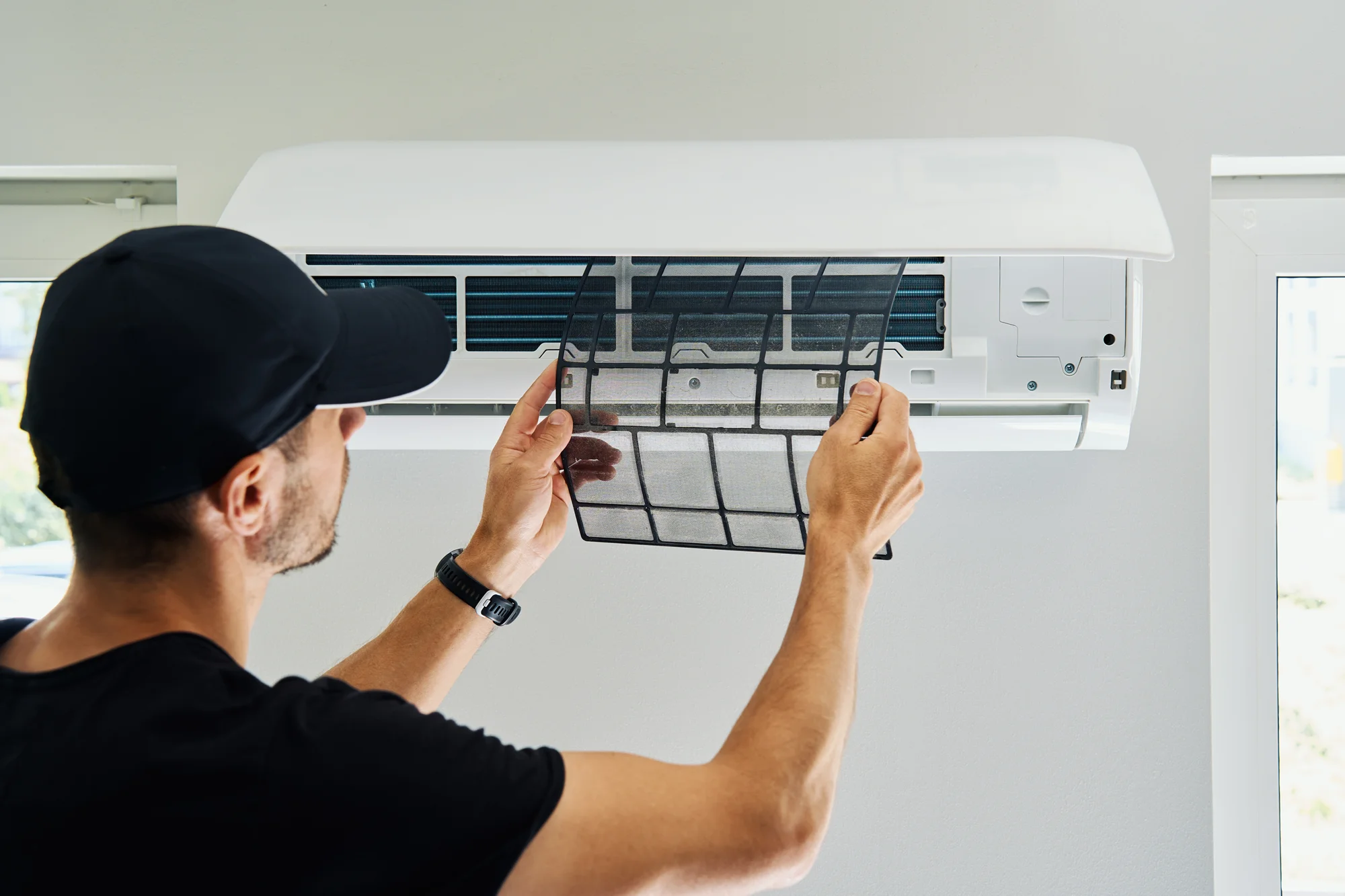
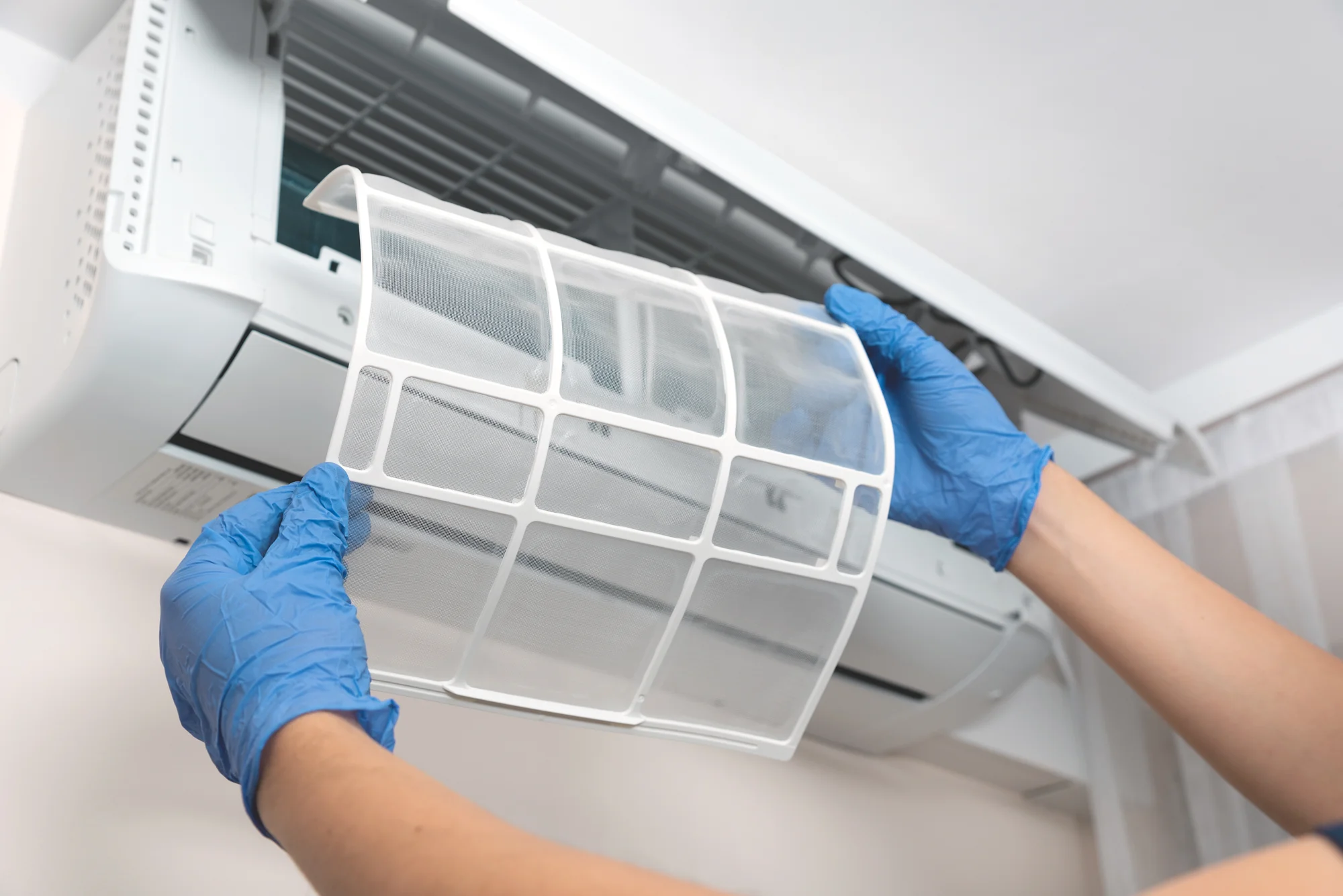
Check the sleep environment after making the bed: aircon remote, curtains, lights, outlets, and any fan or appliance supplied to guests. A cleaning team can report a malfunction, but a technician should handle equipment repair. The aircon cleaning service can be arranged separately when a unit develops odor or poor airflow.
Bathroom hygiene and supplies
Clean and inspect toilet, basin, shower, taps, mirror, floor, drain cover, and reachable shelves with suitable products. Remove hair and soap residue, check for lingering odor, and allow surfaces to dry. Restock toilet paper, hand soap, towels, and any host-provided toiletries. Count items rather than relying on a quick glance. If a drain is slow or a tap leaks, report it as maintenance; scrubbing will not fix the plumbing.
Keep a photo checklist for a property with several bathrooms. Ask the cleaner to report a broken holder, cracked tile, or missing bathmat before the next guest checks in. When an occupant leaves unusually heavy staining or damage, document it under the rental platform’s process without asking a cleaner to decide liability.
Kitchen, food, and appliances
Empty bins and remove leftover food according to the host’s policy. Clean the sink, counters, dining area, stovetop, appliance exteriors, and utensils that are part of the agreed scope. Check the refrigerator for perishables and odors. Confirm the number of dishes, glasses, and basic items expected for the booked occupancy. A quick visual inventory can prevent an unpleasant surprise when guests arrive late at night.
Do not ask a cleaner to repair a faulty appliance or move a heavy refrigerator without authorization. Record the problem and arrange a separate visit. If the kitchen has accumulated deep grease beyond ordinary turnovers, book a periodic detailed clean. The commercial deep-cleaning service can be scoped as an occasional reset rather than overloading every short visit.
Living areas, balconies, and outdoor spaces
Dust reachable surfaces, check upholstery for spills, clean floors, and ensure furniture is arranged according to the listing. Check the TV remote, lamps, and visible instructions. For a balcony, remove ordinary litter and inspect the drain without taking unsafe risks at height. Outdoor furniture, grills, pools, and gardens require a separate task list. Do not assume an interior turnover price includes those amenities.
Photograph the final presentation from consistent angles. This helps a remote host confirm completion and distinguish a missed cleaning task from damage already present. A sofa stain may need the upholstery cleaning service rather than repeated spot treatment during a narrow check-in window.
Inventory, damage, and maintenance reporting
Give the team a simple inventory with linens, towels, keys, remotes, small appliances, and consumables. Specify which shortages should trigger immediate contact and which can wait for a weekly order. Ask for photos of broken items before they are discarded. Keep guest privacy in mind: only document the condition needed for operations and follow the platform’s rules for any dispute.
Separate cleaning completion from “guest ready.” The space may be clean but unusable because the aircon does not cool, the door lock fails, or the water supply is off. Assign a host or manager to review maintenance reports and approve check-in readiness. The cleaning company can report observations, but the owner controls repairs and guest communication.
How to price a repeatable scope
Send the provider floor area, rooms, bathrooms, beds, laundry process, amenities, location, checkout and check-in times, and the expected number of turnovers. Ask for the base visit, supplies, linen handling, travel, urgent callout, and extra-deep-clean prices separately. A flat turnover rate is easier to manage when the ordinary checklist is stable and exceptions are documented. If a guest leaves unusual mess, define how added work is approved before the team starts.
Compare total operational cost, not only the cleaning line. Spare linens, consumables, a realistic buffer, and a final inspection can prevent costly delays or poor guest experiences. If the property serves longer stays, the recurring commercial cleaning service may address interim upkeep separately from departure turnover.
Final inspection before check-in
Walk or virtually review each room against the listing’s promises. Check clean linens, towels, bathroom, kitchen, bins, floors, supplies, lights, doors, and reported equipment. Confirm keys and access instructions. Record completion time and any unresolved issue. A property can be visually clean while still missing an essential item; the final check catches those gaps before the guest arrives.
A reliable turnover system is a checklist, schedule, supply plan, and escalation path working together. Start with a written scope, test it over several bookings, and revise it when guests repeatedly report the same issue. That process is more dependable than asking each cleaner to remember a different set of verbal instructions.
Test the checklist before a busy season
Run the checklist through two or three ordinary turnovers and record actual time by room. If laundry always delays completion, add a spare set or change the pickup schedule. If a bathroom task is repeatedly missed, make its inspection step more specific. If guests frequently report a maintenance problem, assign it to the owner instead of asking cleaners to mask it. A checklist should become shorter and clearer as the team learns the property, while still retaining the critical checks.
For a property that is rarely occupied, schedule a separate inspection before the next arrival. Dust, humidity, insects, and equipment faults can appear even when no guest has checked out that day. A vacancy check is not the same as a turnover clean, and its scope can be much smaller. Distinguishing the two helps the host buy the right service.
Frequently Asked Questions
Can the same team cover two nearby units?
Yes, if travel and check-in windows allow it.
Should cleaners message guests directly?
Set a host-approved communication rule first.
Can used linens remain on site overnight?
Only with a hygienic storage and laundry plan.
What if a guest checks out late?
Use the agreed delay and rescheduling procedure.
Who approves an emergency repair?
Assign a host or manager with a spending limit.