The air conditioner has become an indispensable part of modern life in a country like the Philippines, where the heat and humidity can be intense. Among the various types of AC units available, the window-type aircon stands out as a classic, reliable, and popular choice for many Filipino homes and offices. Its simplicity, affordability, and effectiveness make it a go-to cooling solution.
However, like any appliance, a window-type aircon requires proper care and maintenance to perform at its best and last for years. This blog post will serve as your ultimate guide to understanding, maintaining, and getting the most out of your window-type aircon, all while highlighting the crucial role of professional aircon cleaning services in ensuring its longevity and efficiency.
What is a Window-Type Aircon?
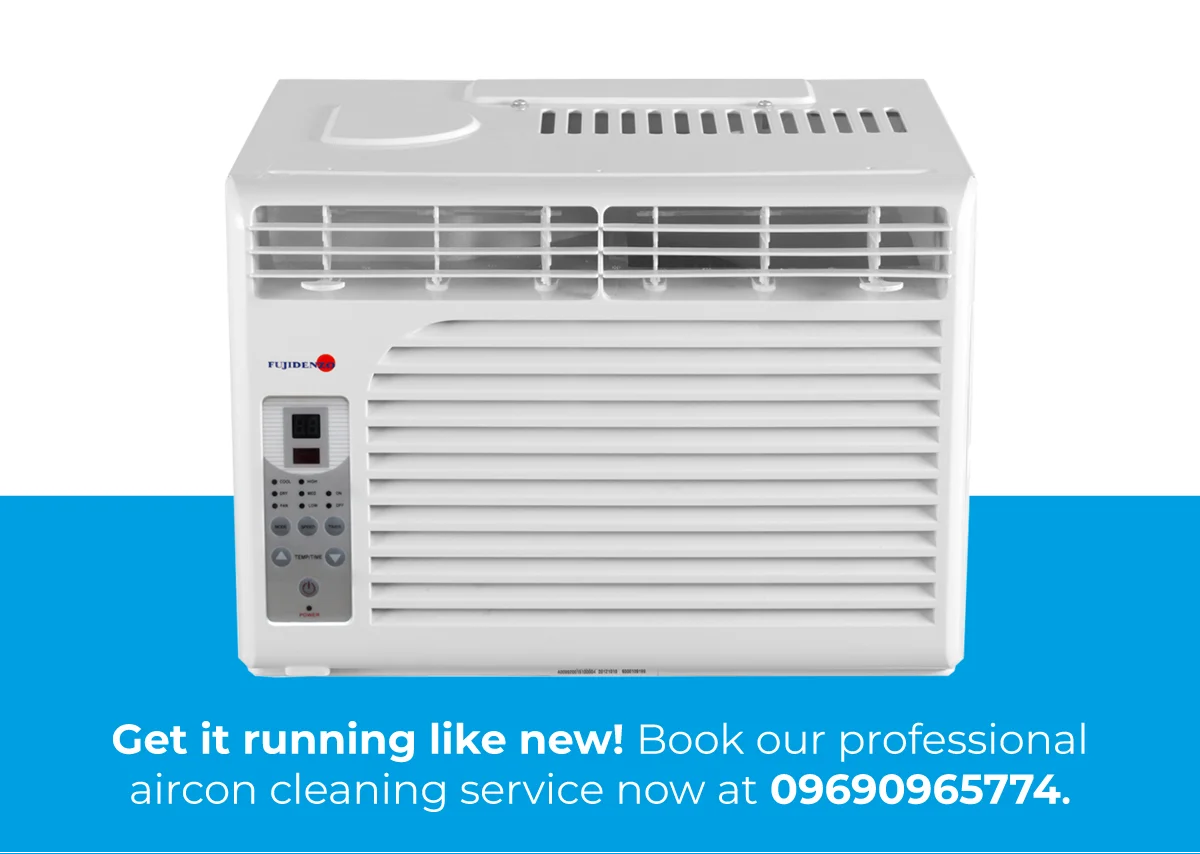
A window-type air conditioner is a self-contained, compact cooling unit designed to be installed in a window frame or a hole in the wall. Unlike split-type units that have separate indoor and outdoor components, all the parts of a window-type AC—the compressor, condenser, evaporator, and fan—are housed within a single casing.
The unit works by drawing hot air from the room, passing it over an evaporator coil that contains cold refrigerant, and then blowing the cooled air back into the room. The heat and moisture removed from the air are expelled outside through the unit’s rear. This simple yet effective design has made it a favorite for cooling single rooms or small spaces.
Advantages of a Window-Type Aircon
The enduring popularity of the window-type aircon can be attributed to several key advantages that make it a practical choice for many consumers.
1. Affordability
Window-type air conditioners are generally less expensive to purchase than their split-type counterparts. Their all-in-one design eliminates the need for complex piping and multiple units, resulting in a lower initial cost. This makes them an attractive option for budget-conscious individuals and families.
2. Ease of Installation
Installing a window-type aircon is relatively straightforward. While it’s advisable to have a professional install it for safety and efficiency, the process is far less complicated and time-consuming than installing a split-type unit. It doesn’t require drilling extensive holes in the wall for refrigerant lines, which saves on labor costs and time.
3. Portability and Flexibility
Due to their compact, self-contained nature, window-type ACs can be easily moved from one room to another. This flexibility is particularly useful for renters or people who frequently move, as they can take their cooling unit with them.
4. Simple Maintenance
Because all the components are in one place, basic maintenance tasks like cleaning the air filter are simple and easy for homeowners to do themselves. This accessibility contributes to their lower long-term maintenance costs.
Disadvantages of a Window-Type Aircon
While the advantages are clear, it’s also important to be aware of the drawbacks of a window-type aircon to make an informed decision.
1. Noise Level
The primary disadvantage of window-type ACs is the noise they generate. Since the compressor and fan are located within the same casing as the evaporator, the sound can be quite noticeable, especially in a quiet room or at night.
2. Aesthetic Appeal
A window-type aircon can be a bit of an eyesore for some. It takes up valuable window space, obstructs the view, and can affect the exterior look of a building. Its bulky appearance is not as sleek as a split-type unit, which blends more seamlessly into a room’s decor.
3. Security and Air Leaks
Installing an AC in a window can create a security vulnerability if not properly secured. The gaps around the unit can also lead to air leaks, which can reduce cooling efficiency and allow dust and pests to enter the room.
The Importance of Regular Aircon Maintenance
Regular maintenance is the single most important factor in ensuring your window-type aircon remains efficient, performs optimally, and lasts for a long time. Over time, air conditioners accumulate dirt, dust, and grime, which can lead to a host of problems if not addressed.
How Often Should You Clean It?
The frequency of cleaning depends on several factors, including how often you use the unit, the air quality in your area, and whether you have pets.
- For the air filter: The air filter should be cleaned every two to four weeks. A dirty filter can restrict airflow, making the unit work harder and consume more energy. It also compromises the quality of the air you breathe.
- For a professional cleaning: A full, professional cleaning should be performed at least once a year. If you use your aircon heavily, live in a dusty area, or have family members with allergies, it’s a good idea to schedule a professional cleaning every six months.
A Step-by-Step Guide to Basic Aircon Cleaning
While professional cleaning is essential, you can perform some basic maintenance tasks yourself to keep your unit running smoothly between visits.
Step 1: Unplug the Unit. Safety first! Always unplug the aircon before you start cleaning to prevent electric shocks.
Step 2: Remove and Clean the Air Filter. The air filter is usually located behind the front grille. Simply slide it out and wash it with soap and water. Allow it to air dry completely before putting it back.
Step 3: Clean the Outer Unit. Use a damp cloth to wipe down the exterior of the unit, removing any dust and dirt.
Step 4: Clean the Evaporator Coils. The evaporator coils can be cleaned with a soft brush and a specialized no-rinse cleaning spray. Be gentle to avoid bending the delicate fins.
Step 5: Clean the Condenser Coils. These are located at the back of the unit. Use a brush or a vacuum cleaner with a brush attachment to remove dust and debris.
When to Call in the Professionals
While a basic cleaning can help, it is no substitute for a professional deep clean. Over time, stubborn grime, mold, and mildew can accumulate deep inside the unit, in places you can’t reach with a brush or vacuum.
Professional cleaners use specialized tools and solutions to thoroughly clean and sanitize every component of your aircon, including the fan blower, drain pan, and coils. A professional cleaning can improve your unit’s energy efficiency by up to 30%, extend its lifespan, and most importantly, ensure that the air you’re breathing is truly clean and healthy.
No Time to Clean? Cleaning Services PH is Here to Help.
We know that life can get busy, and finding the time to properly maintain your aircon can be a challenge. At Cleaning Services PH, we understand the importance of a clean and efficient aircon for your family’s health and comfort.
Our team of professionally trained technicians is skilled in handling all types and brands of air conditioning units. We use the latest equipment and techniques to deliver a deep, thorough clean that a simple DIY job can’t match. We’ll handle the dirt and grime, so you can enjoy a healthier and more comfortable home.
Don’t let a dirty aircon compromise your family’s health or your unit’s performance. Book a professional aircon cleaning service with Cleaning Services PH today. Call us at 09690965774 or email us at [email protected].
Our Aircon Specialists Clean All Types of Aircon
Trust our highly trained Aircon Specialists for comprehensive AC care. We efficiently clean, install, maintain, and repair all air conditioning unit types. When you need expert service that goes beyond simple cleaning, count on us for reliable, end-to-end solutions.
- Split Type Aircon
- Floor Mounted or Tower Type Aircon
- Cassette Type Aircon
- Suspended Type Aircon
- Concealed Type Aircon
- U-Shaped Window Type Aircon
- Mobile or Portable Type Aircon
Frequently Asked Questions – Window Type Aircon
What is a window type aircon?
A window type aircon is a self-contained unit where all components, including the compressor, condenser, evaporator, and blower fan, are housed in a single cabinet installed through a wall opening or window frame. It is one of the most widely used aircon types in the Philippines due to its affordability, simplicity, and ease of installation. Unlike split type units that require a separate outdoor condenser and refrigerant line work, a window type aircon can be set up quickly and at a lower overall cost, making it practical for renters and homeowners who need a straightforward cooling solution. Available in capacities from 0.5 HP to 2.5 HP, these units suit a range of room sizes. While noisier than split type units because the compressor shares the same cabinet as the indoor components, modern window type aircons have improved significantly in noise reduction, energy efficiency, and overall performance, making them a reliable and budget-friendly cooling option for Filipino homes and small offices.
What room size is suitable for a window type aircon?
Choosing the correct window type aircon capacity for a room is essential, as an undersized unit will struggle to cool effectively while an oversized unit will cool too quickly without properly dehumidifying the air. In the Philippines, capacity is expressed in horsepower (HP), and the general guideline is: 0.5 HP for rooms up to 12 square meters, 0.75 HP for up to 18 square meters, 1.0 HP for up to 22 square meters, 1.5 HP for up to 35 square meters, and 2.0 HP for up to 52 square meters. However, floor area alone is not the only consideration. Ceiling height, direct sun exposure, number of occupants, and heat-generating appliances all affect the required cooling capacity. Rooms that receive direct sunlight for several hours daily or have high ceilings will need a higher-capacity unit than the floor area alone suggests. When in doubt, consult a licensed aircon technician before purchasing to ensure the unit selected delivers efficient and effective cooling for your specific space.
How often should a window type aircon be cleaned?
Regular cleaning is essential for maintaining the performance and efficiency of a window type aircon in the Philippines, where heat, humidity, and dust cause filters and internal components to accumulate dirt quickly. The air filter should be removed and washed every two to four weeks for units in daily use. This involves rinsing the filter under running water, gently brushing away debris, allowing it to dry completely in the shade, and reinstalling it before turning the unit back on. Beyond filter cleaning, a professional cleaning of the entire unit should be scheduled every three to six months. This involves removing the unit, disassembling the casing, washing the evaporator coil, condenser coil, and blower fan with appropriate cleaning solutions, flushing the drainage system, and reinstalling and testing the unit. Homes near construction sites, busy roads, or with pets should lean toward more frequent cleaning to maintain air quality and prevent health issues caused by mold and bacteria circulating through a dirty unit.