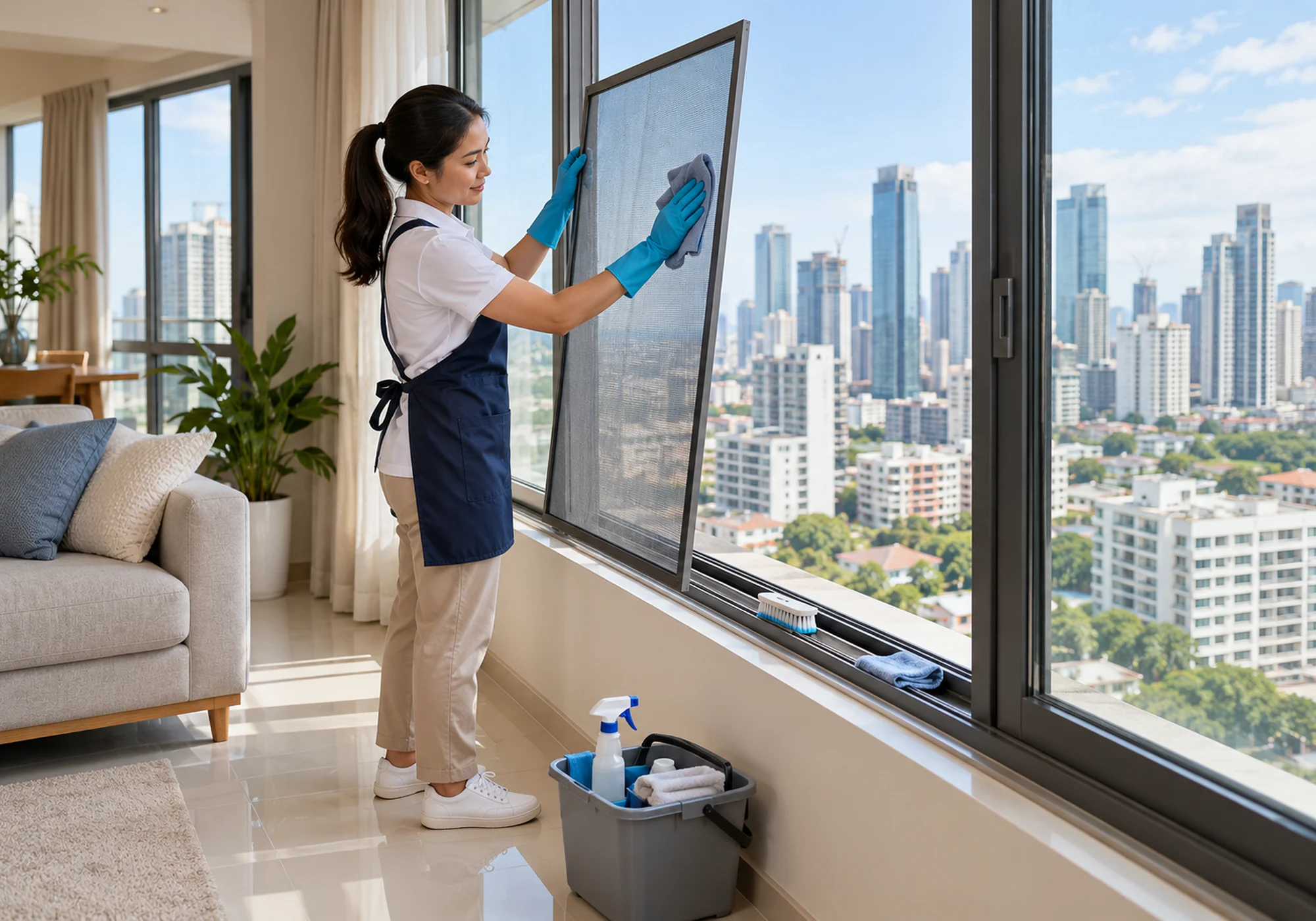
A standard clean maintains the surfaces and rooms covered by a regular visit. A deep clean usually allows more time for buildup and detailed tasks, but the terms vary by provider. Ask for a room-by-room scope before comparing prices. See the residential deep cleaning service for one service option, then decide which tasks your home actually needs.
The Standard Clean: Your Home’s Maintenance Marathon
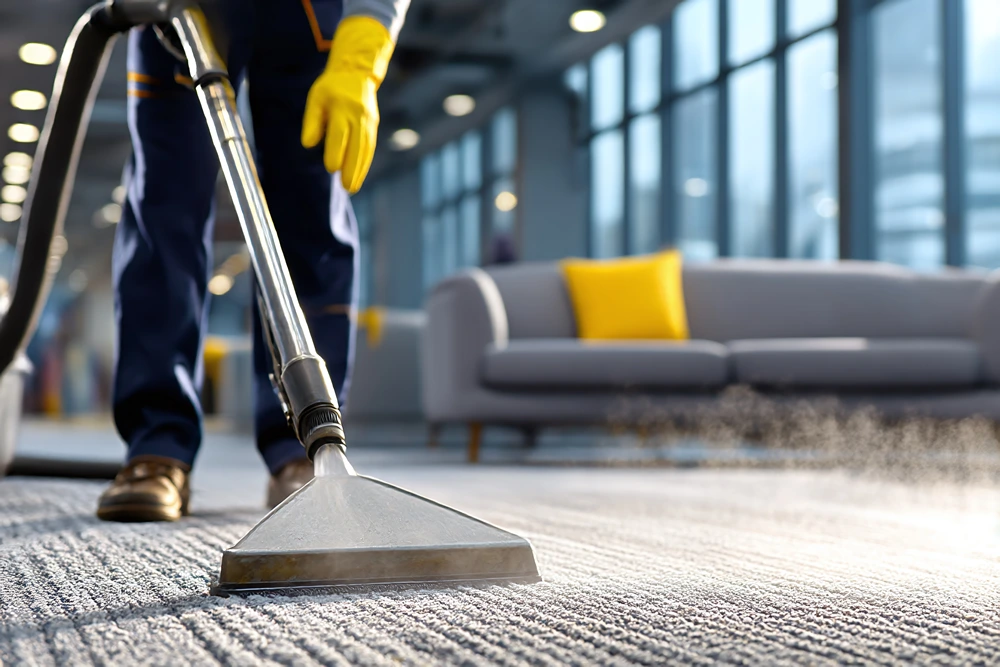
A standard clean is the essential, recurring work you do to keep your home in a “baseline” state of cleanliness and order. Think of it as maintenance, not transformation.
The Philosophy: The goal of a standard clean is to combat the daily buildup of life. It tackles the high-traffic areas and visible surfaces, the places where dust, crumbs, and general disorder accumulate fastest. It’s about resetting your home to “neutral” each week, preventing small messes from becoming overwhelming tasks. This is the service most people hire for on a weekly or bi-weekly basis. It’s what keeps the engine of your home humming.
What a Standard Clean Typically Includes:
A standard clean is a thorough surface-level job. The cleaners (or you) will work through your home systematically, but they won’t be moving heavy furniture or scrubbing individual baseboard scuffs.
All Areas (Living Rooms, Bedrooms, Hallways):
- Dusting: All accessible surfaces are dusted. This includes end tables, dressers, bookshelves, TV stands, and window sills. This does not typically include dusting each individual item on a cluttered bookshelf, but rather the shelf itself.
- Wiping: Mirrors and glass surfaces (like a coffee table) are cleaned.
- Floors: All floors are vacuumed (carpets) or swept and mopped (hard surfaces). This includes area rugs.
- Tidying: This is a “light” tidy. Cushions are fluffed, blankets are folded, and items are straightened up. It does not mean organizing your entire closet or filing a month’s worth of mail.
- Trash: All wastebaskets are emptied, and liners are replaced.
Kitchen:
- Counters: All counters and backsplash areas are wiped clean.
- Appliance Exteriors: The outside of the fridge, oven, dishwasher, and microwave are wiped down to remove fingerprints and smudges.
- Stovetop: The stovetop is wiped clean of recent spills or crumbs.
- Sink: The sink is scrubbed and polished.
- Floor: Swept and mopped.
Bathrooms:
- Toilets: The entire toilet (bowl, seat, and base) is scrubbed and disinfected.
- Sinks & Counters: Sinks, faucets, and vanities are wiped down and disinfected.
- Mirrors: Cleaned to a streak-free shine.
- Showers/Tubs: The main surfaces (walls, floor, and glass door) are wiped down and scrubbed to remove recent soap scum.
- Floor: Swept and mopped.
What’s Not Included: The key is the word “accessible.” A standard clean does not include cleaning inside appliances, scrubbing grout, washing walls, or cleaning baseboards. It’s the cleaning you’d need to do every single week to prevent the house from falling into disarray. You wipe around furniture, not under it. You clean the stovetop, not the inside of the oven. You wipe the shower walls, but you aren’t descaling the showerhead. It’s the crucial upkeep.
The Deep Clean: The Restorative “Reset Button”
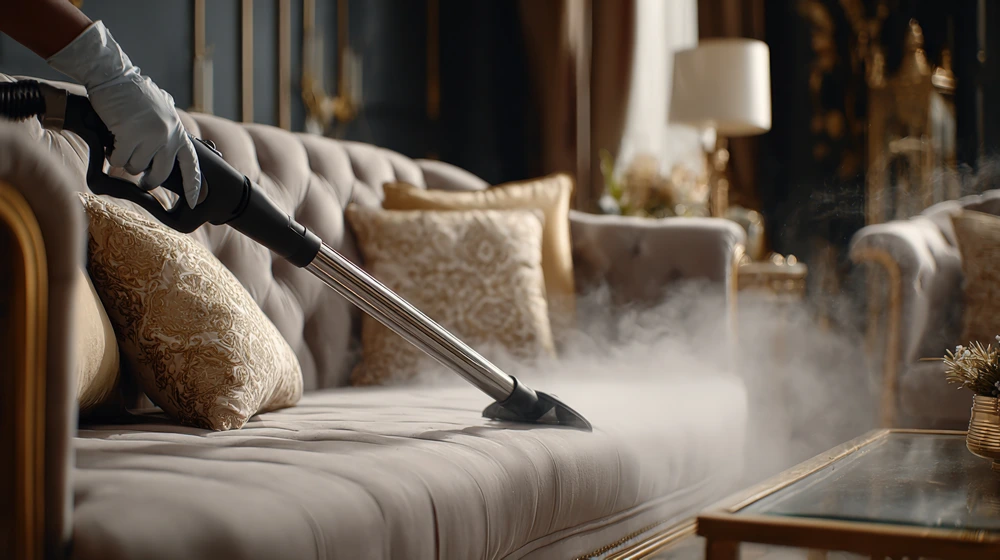
A deep clean is the “big one.” It’s a top-to-bottom, corner-to-corner, comprehensive scrub-down of your entire home. Think of it as restoration, not just maintenance.
The Philosophy: The goal of a deep clean is to tackle everything that is missed during a standard clean. It’s about removing the deep, built-up grime, dirt, and soap scum that has accumulated over months or even years. This is the clean that makes your home feel brand new. It gets into every nook, cranny, and “out of sight, out of mind” area. This is the service you get 1-4 times per year, or for specific situations like moving.
What a Deep Clean Typically Includes:
A deep clean includes everything from a standard clean, PLUS the following detailed tasks. This is where the real transformation happens, tackling the “ignored” list from the standard clean.
All Areas (Living Rooms, Bedrooms, Hallways):
- Baseboards & Trim: Where a standard clean ignores them, a deep clean involves hand-wiping or scrubbing every baseboard, door frame, and window sill. This is often the most night-and-day difference.
- Walls & Doors: Walls and doors are spot-cleaned for scuffs, marks, and fingerprints.
- Light Fixtures & Fans: Ceiling fans, pendant lights, and other fixtures are dusted and wiped down, rather than just being left to accumulate dust.
- Vents & Grills: HVAC vent covers and air return grills are vacuumed or wiped.
- Furniture: Instead of just cleaning around furniture, items are moved (where possible) to clean underneath and behind them. Upholstered furniture is often vacuumed (including under the cushions).
- Windows: Interior windows are cleaned, and window tracks are vacuumed or wiped out.
- Blinds: Individual blind slats are often dusted or wiped.
Kitchen:
- Inside Appliances: This is the big one. The inside of the oven (removing racks, degreasing) and the inside of the refrigerator (removing shelves and drawers to wash) are thoroughly cleaned. The inside of the microwave is scrubbed.
- Cabinet Exteriors: While a standard clean might spot-check for smudges, a deep clean involves hand-wiping all cabinet and drawer fronts to remove built-up grease and grime.
- Range Hood: The range hood and (often) the filter are degreased.
- Backsplash: The backsplash is scrubbed to remove built-up grease, not just lightly wiped.
- Detailed Scrubbing: Grout on floors or counters may be spot-scrubbed. The “gunk” around the faucet base is removed.
Bathrooms:
- Intensive Grout & Tile: Tile grout in the shower and on the floor is scrubbed.
- Soap Scum Removal: This is a major difference. A standard clean just wipes the shower, but a deep clean involves an intensive cleaning to remove hard water stains and heavy soap scum buildup (this can be a very long process).
- Fixtures: Faucets, showerheads, and other fixtures are descaled to remove mineral deposits.
- Vanities: The outside of all vanities and cabinets are wiped down.
- Nooks & Crannies: The areas behind the toilet and around the tub base are given special attention.
The Practical Guide: When to Choose Which?
Now for the most important question: which one do you need right now?
You Need a STANDARD Clean If…
- You’re on a recurring cleaning schedule (weekly, bi-weekly). This is the service that maintains the deep clean you already had.
- You’re on a recurring cleaning schedule (weekly, bi-weekly). This is the service that maintains the deep clean you already had.
- You’re having casual guests over (and you’re not trying to pretend you’re someone you’re not).
- Your home is generally tidy, but the “weekly grime” (dust, crumbs, bathroom germs) has built up.
- You feel overwhelmed by daily upkeep and just need a “reset” to get back on track.
You Need a DEEP Clean If…
- You Are Moving In or Moving Out: This is non-negotiable. A “move-out” clean is a deep clean, period. It’s required by most landlords and rental agreements to get your deposit back. A “move-in” clean is just as crucial for your own peace of mind.
- It’s “Spring Cleaning” Time: You should schedule a true deep clean at least once or twice a year (spring and fall are popular) to “catch up” on a year’s worth of neglect.
- You’re Hosting a Major Event: Think holiday dinners, milestone birthday parties, or hosting in-laws for a week. You want the house to be at its 10-out-of-10 best.
- You’re Selling Your Home: A deep-cleaned home is essential for staging and photos. It tells buyers the home has been well-maintained.
- You Just Finished Renovations: Construction dust is invasive. A post-renovation clean is a special, very intensive type of deep clean to remove all the fine-particle dust from every single surface.
- You’ve “Let It Go” for Months: No judgment. Life happens. But if it’s been 3+ months since your home was really cleaned, a standard clean won’t cut it. You need a deep clean to establish a new, clean baseline before you can even think about maintenance.
- You Have Allergies: A seasonal deep clean to remove pollen, dander, and dust from all the hidden places (vents, fans, baseboards) can be a lifesaver.
The Professional Perspective: Cost & Mismatched Expectations
Here is the single most important thing to know: A deep clean will cost 2-3 times as much as a standard clean.
This is not a scam. It’s not an “upsell.” It is a simple function of time and labor. A standard clean of a 3-bedroom house might take a team of two cleaners 1.5 hours (3 total labor hours). A deep clean of that same house could take that same team 4-5 hours (8-10 total labor hours).
They are doing more than twice the work. They are scrubbing on hands and knees. They are bringing ladders to reach fans. They are using special solvents to cut through oven grease.
When hiring a professional, be explicit about your expectations. Don’t book a “standard clean” and expect a “deep clean” result. If you’re unsure, send photos or do a walk-through. A good cleaning company will have a detailed checklist for each service. Read it. If what you want (like inside the fridge) isn’t on the standard list, you need to book a deep clean or ask to add it as an “a la carte” item.
The “In-Between” Clean
What if your house isn’t a disaster, but you really want the baseboards done? Most professional services are flexible. You can often book a “Standard Clean + Extras.” Maybe you get a standard clean every two weeks, but once a quarter, you add “inside the oven” and “baseboards” for an extra fee. This “hybrid” approach can be a great, budget-friendly way to keep your home in a near-constant state of deep-clean readiness.
Pick the scope before the label
Use a standard visit to maintain agreed surfaces and a deeper visit when buildup or detailed tasks need extra time. You do not necessarily need both on a fixed schedule. Walk through the rooms and ask the provider to name the tasks and exclusions in the quote.