Quick answer: A window-type aircon cleaning quote should state the unit type and horsepower, whether the unit is removed from its opening, what parts are washed, and any access or transport charge. Published prices are useful benchmarks, but they are not a quote from Cleaning Services PH. Carrier’s published NCR starting price is ₱900 for a non-inverter window unit of 1.5 HP or less and ₱1,150 for an inverter unit of the same capacity. Teko lists ₱990 for window-type cleaning, with separate additions for inverter units and units above 1.5 HP. Check the providers’ current terms before comparing them with an actual offer.
If you searched for “window type aircon cleaning price Philippines,” the cheapest number alone will not tell you whether the service meets your needs. A compact window unit may look simple from the room side, yet its filter, coil, fan, drain area, casing, and outdoor-facing section all affect the job. A technician also needs safe access and a place to protect furniture and electrical connections. This guide helps homeowners, tenants, and property managers compare written quotes without confusing a filter rinse with a full professional clean.
What published window-type cleaning rates tell you
As of October 2026, Carrier’s published service pricing starts at ₱900 for an NCR non-inverter window unit of up to 1.5 HP. Its published starting rate for an NCR inverter window unit of that size is ₱1,150, with an additional charge shown for higher capacities. Teko’s published fee is ₱990 for a window unit and lists add-ons for an inverter model and capacity above 1.5 HP. These examples show why a single online “price list” should be treated as a comparison point rather than a universal Philippine rate.
Ask whether the amount includes the inspection, removal and reinstallation if needed, indoor and exterior-facing sections, drainage, testing, taxes, and travel. Confirm the amount in writing before a technician starts. A low headline rate can be fair for a straightforward unit, but it can also refer to a narrower service than the one you expected. See the site’s broader aircon cleaning cost guide for other unit types.
Why two window units can receive different quotes
Horsepower, inverter components, unit position, and physical condition change the labor involved. A small unit at chest height with an accessible exterior is unlike a heavy unit on an upper floor with a metal grille, tight clearance, or fragile surrounding finishes. A unit that has not been cleaned for a long time may require more careful disassembly and rinsing. Corrosion, leaks, loose mounting, or a damaged power cord call for a separate assessment rather than an automatic “cleaning upgrade.”
Location matters as well. A provider may price travel within its normal coverage area differently from an address outside it. Condominium buildings can require service-hour reservations, loading-bay procedures, or contractor registration. Give the provider photos of the aircon, its exterior side, outlet, and surrounding space. Include the brand, model, and approximate HP if you know them. Accurate details make a remote estimate more useful and reduce the chance of a surprise on arrival.
What a proper scope of work should say
A practical quote describes the tasks, not only the word “cleaning.” Ask which filters, accessible coils, fan surfaces, drain passages, casing sections, and louvers will be cleaned. Ask how the technician protects the electrical controls and dries the unit before testing. If the unit will be pulled from the wall, confirm who handles the lifting and whether the exterior side can be reached safely. A professional should also explain any area that cannot be accessed without additional work.
Cleaning does not automatically include repair, replacement parts, refrigerant work, electrical rewiring, or correction of a poor installation. If cooling remains weak after cleaning, a technician may need to diagnose a separate problem. The aircon cleaning service page explains the site’s service scope, while the cleaning versus repair guide helps you decide which request to make first.
Filter care between professional visits
Routine filter care can keep airflow from becoming severely restricted between scheduled services. Switch the unit off, follow its manual, and remove only the user-accessible filter. Gentle cleaning and complete drying matter; forcing a wet filter back into the unit can create another problem. Do not spray water toward electronic controls, reach into moving parts, or dismantle a unit beyond the manufacturer’s user instructions. If the filter is torn or the frame no longer seals, ask about a replacement instead of repeatedly washing it.
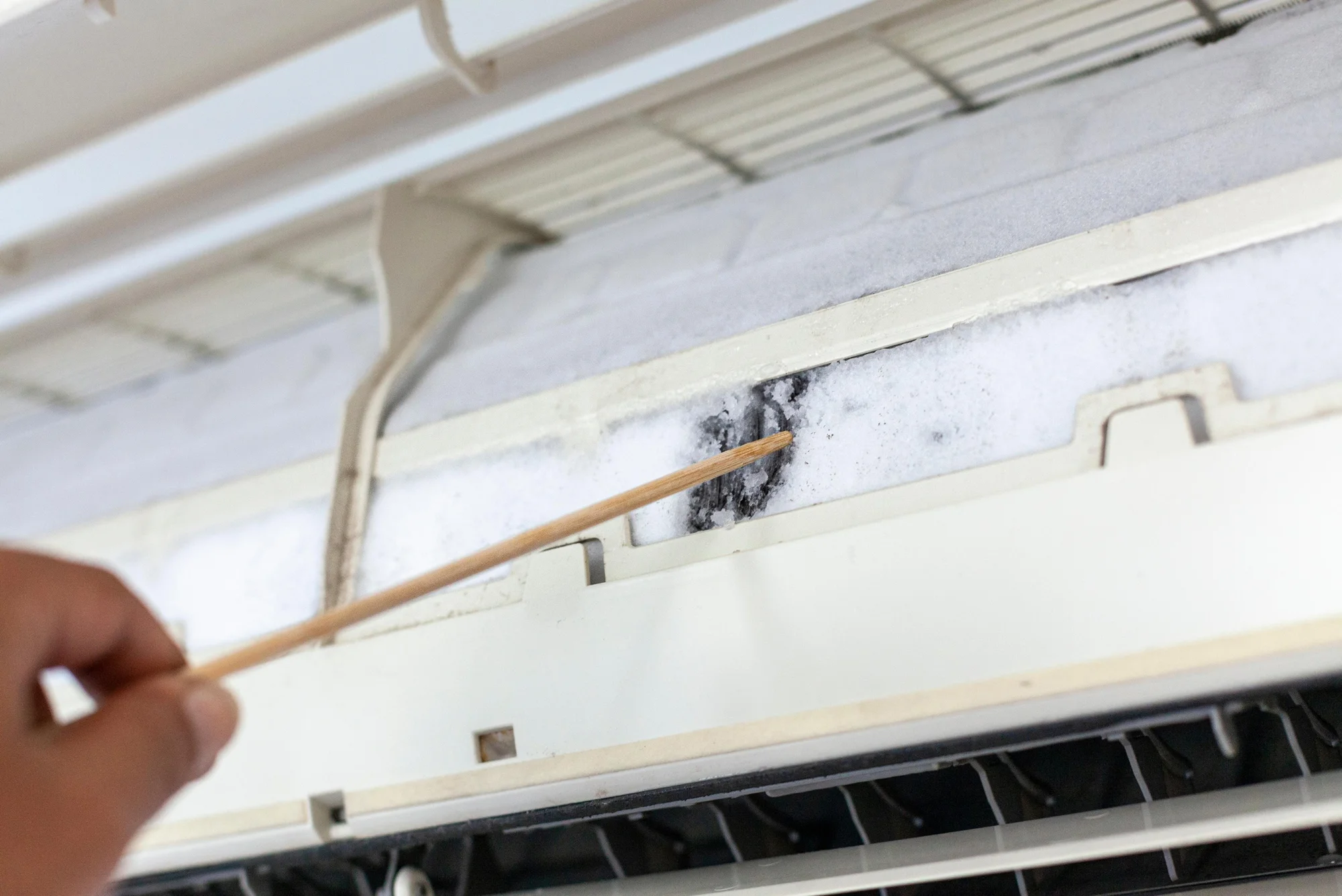
A washable filter is only one component. It cannot remove buildup deeper in the blower, coil, or drain. If you notice water dripping inside, a persistent musty smell, unusually weak airflow, or an unexplained rise in energy use, book an assessment instead of relying on another filter rinse. The site’s DIY aircon filter cleaning guide covers the limited maintenance a homeowner can reasonably perform.
Compare quotes on the same basis
Send each provider the same information: unit type, HP, inverter or non-inverter status, address, floor level, last cleaning date, symptoms, and clear photos. Request a written breakdown of the base service, access charge, travel, materials, taxes, and optional work. Then compare the included tasks and the conditions under which the final price may change. This is more useful than comparing two totals that describe different jobs.
Ask whether the technician will test cooling and drainage before leaving and what to do if water leaks afterward. Clarify whether the provider offers a workmanship remedy and what that remedy covers. A guarantee on cleaning workmanship is not a promise that an old compressor or circuit board will never fail. Keep a copy of the job order and any photographs. It will help if you need to explain a recurring symptom later.
When a higher quote may be reasonable
A higher quote can be justified by difficult access, a larger capacity, added disassembly, a documented mold or drainage problem, or a more comprehensive scope. It is not automatically better. Ask what extra work is being done and why. A provider should be able to distinguish a standard wash from a repair, a chemical treatment, and a replacement part. If a costly add-on is proposed after arrival, request the reason and price before agreeing.
For a unit in a rental, establish who is responsible for routine cleaning under the lease before authorizing work. For a condominium, ask the building administrator about contractor entry and water disposal. For a workplace, arrange access outside busy hours if possible and identify where the technician can safely stage the equipment. These practical details influence the service time as much as the size of the aircon.
How to request a useful estimate
Write a short message with the model, HP, location, symptoms, and preferred date. State whether the exterior section is accessible and whether the unit has been leaking or tripping a breaker. Ask for a line-by-line scope, not a vague assurance that everything is included. If you are comparing several units, list each one separately so the provider can price and schedule them correctly. The same details help the technician arrive with the right protective materials and tools.
Window-type aircon cleaning is a maintenance decision, not merely a race to find the lowest advertised rate. Compare the work, access, and testing included in each offer. Then use the written quote to decide whether basic cleaning is enough or whether a separate diagnosis is needed.
What to check after the cleaning
Before the technician leaves, look at the work area and ask for a brief demonstration. The unit should be securely seated, with no loose casing, exposed wire, or water running down the wall. Observe the cooling cycle for an appropriate test period and check that the fan responds to the controls. A little remaining moisture on a cleaned surface differs from a continuing indoor leak. If a symptom remains, record it on the job order instead of assuming it will disappear after several days.
Ask what the technician actually found. Dust buildup, a clogged drain, damaged filter, or corrosion implies different follow-up steps. Photograph the completed unit and retain the receipt, date, model, and any recommendation. This simple record makes it easier to judge when service is due again and whether a repeated complaint calls for a repair visit. Avoid treating an advertised cleaning interval as a fixed rule for every household: pets, road dust, humidity, and daily operating hours can change how quickly a unit gets dirty. Set a reminder to check the accessible filter, and book deeper work when condition and manufacturer guidance warrant it.
Frequently Asked Questions
Can I pay after the technician finishes?
Ask the provider for its payment terms before booking.
Will I need a condominium work permit?
Check your building’s contractor and service-hour rules.
Can a tenant book cleaning without the owner’s approval?
Review the lease and obtain approval when required.
Will the technician take the removed dirt away?
Ask how wastewater and debris will be contained and disposed of.
Can I reschedule if the exterior wall is unsafe to access?
Discuss access and rescheduling terms before the visit.