Quick answer: A complete pull-down is a more extensive service than cleaning a split-type aircon while it remains mounted. It may be justified when severe internal buildup, recurring drainage problems, or inaccessible components cannot be addressed properly in place. Published Philippine provider schedules show substantial add-on charges: Carrier lists an additional ₱4,000 for a complete split-unit pull-down in NCR, while Teko lists an additional ₱4,500. These are provider examples as of October 2026, not a Cleaning Services PH price or a diagnosis for your unit.
A homeowner often hears “pull-down cleaning” for the first time when a technician recommends it or a service menu lists a much higher price than a standard wash. The decision should begin with the condition of the equipment. Paying for a complex procedure when an ordinary wash would solve the problem wastes money. Repeatedly booking a surface wash when buildup is hidden inside can also leave the original complaint unresolved. This guide explains the work, the questions to ask, and the point at which cleaning should give way to repair diagnosis.
What does pull-down cleaning mean?
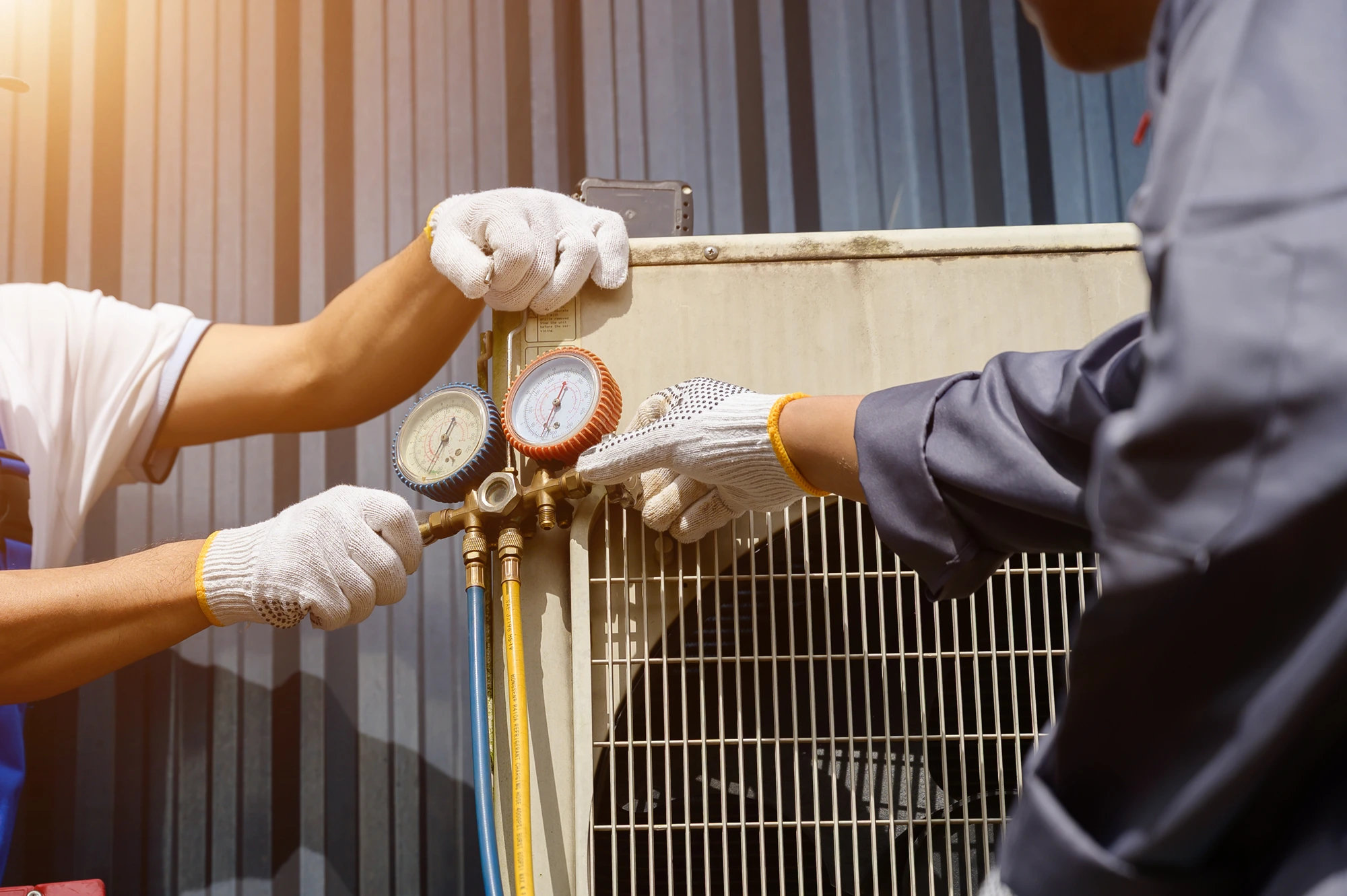
Providers do not always use the phrase in exactly the same way. In a complete split-unit pull-down, technicians remove components or the indoor assembly from its installed position so they can clean areas that are difficult to reach during an on-wall service. The job may involve protective disconnection, controlled handling, a suitable washing area, reassembly, and testing. It is a more involved task than washing a user-accessible filter or flushing a drain in place. Ask the provider to define its version of “complete” before you agree.
Some technicians use “pull-down” to describe removing the indoor unit only; others may propose broader work. Ask which components are removed, whether the outdoor unit is included, whether the equipment leaves the property, and who is responsible for reinstalling and testing it. Do not authorize refrigerant work, electrical alterations, or new parts under a vague cleaning label. Those require separate findings and a separate quote.
Published prices are useful only with a scope
Carrier’s published NCR service schedule lists a split-type cleaning starting price and an additional ₱4,000 for complete unit pull-down cleaning. Teko’s published schedule lists an additional ₱4,500 on top of its split cleaning fee. Both illustrate that a pull-down is generally treated as extra work. They do not tell you whether your property has difficult access, what parts need attention, or what another provider includes. Published amounts can change; always request a current itemized estimate.
Ask for base cleaning, pull-down labor, transport if any, additional parts, access, and taxes on separate lines. Confirm what happens if the technician opens the unit and finds a broken fan, cracked drain tray, corroded electrical part, or refrigerant issue. An honest quotation should explain which findings require new authorization rather than treating every possible repair as part of a fixed cleaning charge.
Signs that merit an inspection
A persistent musty odor after normal cleaning, repeated indoor dripping, weak airflow despite a clean filter, or visible heavy deposits can justify a closer inspection. None proves a pull-down is necessary. The cause may instead be a damaged drain, poor installation slope, blocked line, dirty blower, insulation issue, or mechanical fault. Ask the technician to show the affected area and explain why it cannot be treated adequately in place. Photographs are useful when the problem is behind the casing.
If the breaker trips, the fan makes a harsh noise, the unit shuts down repeatedly, or cooling fails without an airflow explanation, request a repair diagnosis first. Cleaning is not a substitute for electrical testing or mechanical repair. The site’s guide on when to call a technician distinguishes these situations, and its signs of a dirty aircon provides a starting checklist.
What should a technician explain before removal?
Ask how power will be isolated, how floors and walls will be protected, where washing will happen, and how water will be kept away from electrical parts. Confirm whether there is adequate room to remove and stage the indoor unit. A condominium may require a contractor pass, service elevator, and advance booking. If the outdoor unit is on an inaccessible bracket, the provider should identify that constraint rather than quietly excluding it from a promised full clean.
Request an estimated service window and a description of the reassembly test. Ask whether the technician needs to disconnect refrigerant lines and how that changes the work and price. Do not treat refrigerant release or refilling as an automatic part of cleaning. The provider should follow appropriate handling procedures and explain any technical need. If you are unsure, obtain a second assessment before approving a costly step.
On-wall cleaning versus pull-down
An on-wall service can be the right choice when the accessible coil, fan, filter, and drain can be cleaned effectively without removing the assembly. It generally causes less disruption. A pull-down allows better access to difficult internal surfaces, but requires more labor, space, and careful reinstallation. Neither method should be sold as universally superior. The appropriate choice depends on what is dirty, what is inaccessible, and what symptoms need resolution.
Ask the provider to compare the two options in writing. What does the standard service cover? Which identified area remains dirty afterward? What additional result is expected from removal? What is the risk of disturbance to an older unit? If the answer is only “we always recommend deep cleaning,” you do not yet have a reason tied to your equipment. The professional aircon cleaning page is the right place to request the site’s available scope.
Do not confuse cleaning with chemical treatment
A “chemical wash” can refer to different products and procedures. A pull-down describes access and disassembly, while a chemical treatment describes the cleaning agent. The two can be sold together, but one does not automatically require the other. Ask what product will be used, why ordinary cleaning is inadequate, which surfaces it can touch, and how it will be rinsed. A strong-smelling product is not evidence of a better result. Manufacturer instructions and material compatibility matter.
Keep occupants and pets clear of the work area. Ask the technician about ventilation, drying, and when the unit can be used again. If a provider claims a treatment will permanently eliminate mold or repair poor cooling, request a more specific explanation. Moisture or drainage conditions can cause contamination to return, and a compressor or sensor problem will not be fixed by washing a coil.
How to compare two proposals
Provide the same photos, model, HP, last cleaning date, and symptoms to both providers. Ask each to quote an on-wall option and a pull-down option if both are technically possible. Compare included components, outdoor access, travel, expected duration, tests, and follow-up terms. Make sure one quote does not include a repair that the other excludes. Put approval for additional work in writing so the total cannot change silently.
If the aircon is under warranty, check the manufacturer’s service conditions before approving disassembly by a third party. Ask for a service report with before-and-after observations and the work completed. Once the unit is reinstalled, watch it run, check drainage, and record any remaining symptom. The practical value of a pull-down is a resolved condition and documented work, not the impressive name of the procedure.
A sensible decision sequence
Start with the symptom and a safe visual inspection. Obtain a specific diagnosis. Compare what standard cleaning can accomplish with the additional access offered by removal. Approve the smallest scope that addresses the identified problem, with a separate decision for repairs. Afterward, keep a maintenance record and attend to user-accessible filters between professional visits. This sequence avoids both automatic upselling and repeated incomplete cleaning.
The split-type aircon overview explains the equipment, while the site’s general cleaning cost guide gives broader pricing context. Use them to prepare questions, then request a quote for the actual unit and access conditions. A remote price cannot replace a diagnosis when the complaint is persistent or unusual.
Frequently Asked Questions
Can a pull-down be scheduled on a Sunday?
Ask the provider and your building about service hours.
Do I need to clear furniture before the visit?
Yes; ask how much safe working space is required.
Will I receive photos of the hidden buildup?
Request photos before approving the additional work.
Can an old unit be refused for disassembly?
Yes; a technician may flag a risk and propose another option.
Is a second opinion reasonable?
Yes, especially when the proposed add-on is expensive.