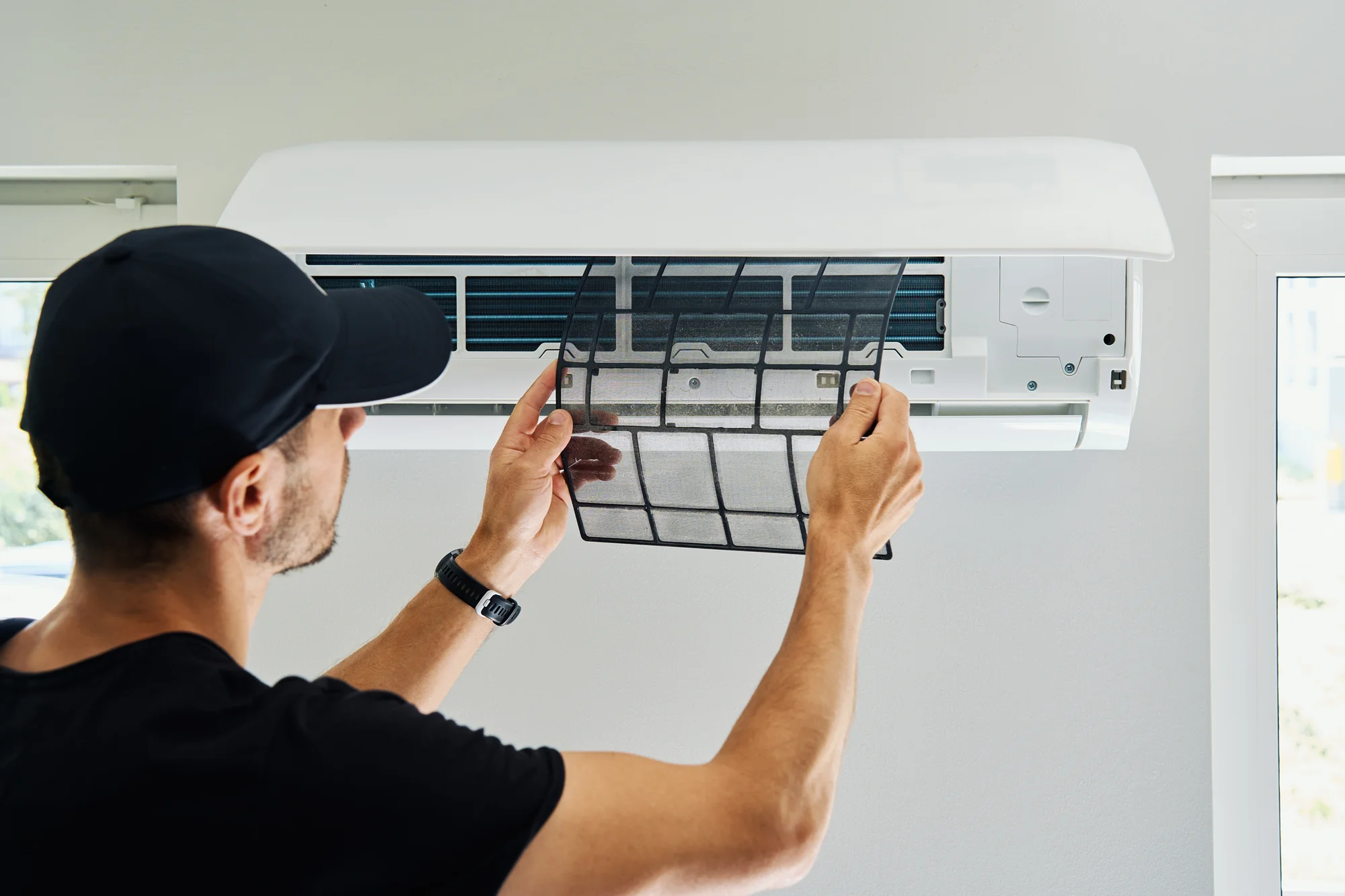
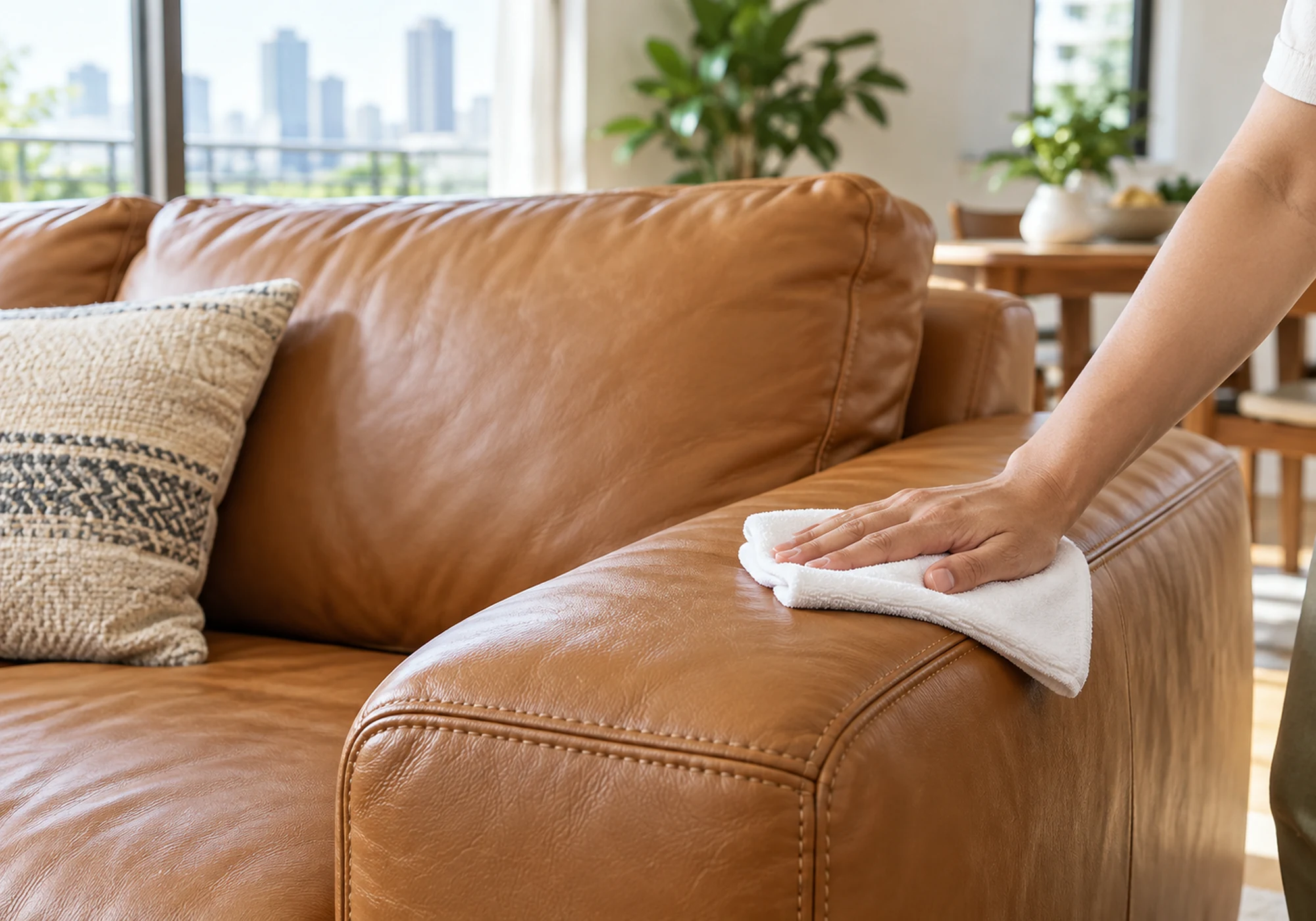
Clean office partitions by separating fabric panels, glass, frames, and attached accessories into distinct tasks. Remove dry dust first, then use methods approved for each finish. Protect nearby electronics and documents, and avoid saturating acoustic panels. A clean partition should retain its intended texture and assembly. Scratched glass, faded fabric, loose panels, and damaged edge trims need repair or replacement decisions beyond ordinary cleaning.
Quick cleaning checklist
- Map fabric, glass, frames, and specialist coatings.
- Have staff secure documents and personal belongings.
- Protect outlets and nearby electronic equipment.
- Treat each material with its own approved method.
- Record panel damage and pending drying at handoff.
Map the partition types and office layout
Walk the office with the facilities contact and identify fabric screens, glazed partitions, coated frames, whiteboard panels, and any specialist finishes. A partition system may contain several materials in a single workstation. Obtain the manufacturer’s care instructions, especially for acoustic or fire-rated components.
Record the panel dimensions and access restrictions. Note which sides face occupied desks and which are reachable from shared walkways. Do not assume every panel can be removed for washing. Demountable systems still have assembly requirements, and glass panels can be heavy. Photograph existing damage and discuss areas needing specialist attention. A material map helps the cleaning provider choose suitable tools and allocate time without treating the entire office as one uniform hard surface.
Protect documents, devices, and privacy
Agree with staff how desks will be cleared before work. Ask occupants to secure documents, removable storage, personal items, and fragile accessories. Cleaners should not need to read paperwork or move confidential files to reach a screen. Keep the task separate from organizing employees’ belongings.
Identify power outlets, data ports, cable routes, and desk-mounted equipment near the partition. Do not unplug devices or alter connections without authorization. Use suitable protection against dust and permitted cleaning moisture, making sure it does not obstruct ventilation on operating equipment. Schedule work when the relevant zone can be managed with minimal disturbance. For shared workplaces, coordinate with the site’s coworking cleaning plan, while keeping individual desk access and document handling explicitly agreed.
Vacuum fabric panels gently where permitted
Check the panel care information and use a clean suitable attachment with controlled suction. Test contact in an inconspicuous area, then work systematically without pulling fabric away from its backing. Keep a rough floor nozzle or dirty brush away from the upholstery.
Pay attention to top edges, corners, and seams where dust can accumulate. Avoid dragging over loose threads or snagged areas. If the panel surface changes texture, stop and review the method. Do not assume a carpet extractor is suitable for a vertical acoustic panel. Its internal construction may not tolerate wetting. Dry dust removal should be described accurately as routine maintenance, not promised as complete stain restoration. Record greasy marks, dye transfer, and other conditions that remain for a separate assessment.
Assess fabric spots without saturating the panel
For a visible spot, identify the source if known and record previous treatment attempts. Use only an approved method after testing and allowing the test to dry. Look for color transfer, water rings, stiffness, or changed texture. Do not spray the entire panel because one mark remains.
Padding, adhesive, acoustic layers, and edge trims may limit what treatment is appropriate. If the care guidance is unclear, request manufacturer or specialist advice before wet cleaning. Likewise, avoid fragrance or disinfectant applied to fabric without compatibility and use instructions. The office should receive realistic expectations about which marks may improve and which reflect wear or damage. A consistent, intact panel is a more useful result than a temporarily damp surface that appears darker and cleaner until it dries unevenly.
Clean glass without wetting neighboring materials
Confirm whether the glass has film, frosting, graphics, coatings, or decorative treatments. Follow those care restrictions rather than assuming an ordinary window cleaner is suitable. Use clean soft tools and controlled application, keeping liquid away from fabric edges, frame joints, and electrical points.
Work in manageable sections and inspect under normal office lighting. A streak can be cleaner residue or a dirty cloth, while a scratch will not disappear through repeated wiping. Avoid razor scraping unless specifically approved for the glass and coating. Protect adjacent desks from overspray and drips. Also, do not remove privacy film or signage to improve appearance without permission. If a panel is cracked or insecure, keep the area managed and arrange a competent glazing assessment instead of continuing routine cleaning around it.
Wipe frames, trims, and approved accessories separately
Coated metal, plastic caps, wood trim, and whiteboard surfaces may need different products. Identify each finish and follow its care instructions. Use controlled moisture near joints, cable channels, and panel bases. Do not force a cloth through a narrow opening that may contain wiring.
Remove accessories only if the office contact authorizes it and the system permits user removal. Keep clips and fittings labeled so they return to the same place. A loose trim, sharp edge, or missing support needs maintenance attention. Do not improvise adhesive repairs during cleaning. For nearby equipment, use the office device cleaning guide as a separate task reference. Keeping the responsibilities distinct protects both the furniture system and the devices staff need to resume work.
Set frequency by condition and occupancy
A reception screen beside a busy entrance may collect different soil from a partition in a lightly used meeting room. Inspect actual conditions and follow the manufacturer’s maintenance recommendations instead of imposing one interval on every panel. Separate routine dry dust removal from periodic spot assessment and detailed glass care.
Record recurring marks by location. For example, scuffs at a narrow walkway may point to furniture contact, while dusty top edges may indicate the routine overlooks vertical surfaces. Discuss layout or maintenance changes with facilities staff rather than repeatedly applying stronger cleaner. Include partition work within office cleaning only where it is named in the agreement. A clear schedule allows the provider to plan tools and access rather than squeezing detailed panel work into the time allotted for desks and floors.
Inspect the zone before returning it to staff
Check that treated surfaces are ready under their care instructions and that accessories are correctly returned. Remove protective materials without scattering collected dust onto desks. Keep any area awaiting drying or repair clearly communicated to the facilities contact.
Inspect fabric texture, glass streaking, frame residue, and the condition of trims under ordinary lighting. Record remaining wear separately from missed cleaning. Do not move staff documents back into place unless that was agreed. A short handover can state which panels were serviced, what method was used, and which defects need follow-up. This makes quality review practical and helps the next shift understand why one stained panel was left for specialist assessment rather than repeatedly wetted by different cleaners.
A practical sequence for a hybrid office
Suppose one workstation bank is vacant on Friday afternoon while neighboring desks remain occupied. Confirm the access boundary and ask users to secure belongings in advance. Clean the vacant bank’s fabric, glass, and frame components separately, following their approved methods. Keep tools and cords out of the active walkway.
If a fabric spot fails the hidden-area test, pause that treatment and document the result. Complete the other agreed tasks without using the same product on every panel. Before staff return, inspect surfaces and communicate any remaining drying or repair requirement. This approach lets a workplace improve its partitions without disrupting unrelated desks or treating confidential workstations as freely accessible furniture. It also creates a useful maintenance record for future office cleaning decisions.
Frequently Asked Questions
Can staff pin notices to acoustic panels?
Check the panel manufacturer’s permitted attachment methods and the office policy.
Who should move a workstation partition?
Use the furniture system’s approved installer or a competent provider.
Can privacy film be added to partition glass?
Confirm glass compatibility, facilities approval, and any warranty restrictions.
Should panel repairs use matching fabric?
Ask the supplier about compatible material, color, and performance requirements.
Can a tenant change a fitted partition layout?
Obtain the necessary owner and building approvals before arranging work.