Living in Metro Manila means existing in a perpetual state of negotiation with the climate. We have the “ber” months, which offer a slight breeze, and then we have the rest of the year: a searing combination of intense heat (init) and suffocating humidity (alinsangan).
For the average Filipino family, the air conditioning unit is not merely an appliance; it is a sanctuary. It’s the reason we can sleep soundly through a sticky 32°C night. It’s the refuge we seek after battling commuting crowds on EDSA or walking just five minutes outside to buy merienda. That blast of cold air when you enter a room isn’t just a luxury; it’s essential ginhawa (relief).
However, we often misunderstand what our aircon units are actually doing. We think they just blast cold air, like an electric fan with ice in front of it. But their primary job, especially in a tropical country like the Philippines, is dehumidification. They are waging a constant, silent war against the moisture hanging thick in our atmosphere.
This battle against Manila’s legendary humidity comes at a cost. While your aircon is busy pulling moisture from the air to make you comfortable, it is inadvertently creating the perfect ecosystem for a hidden enemy inside its own machinery: mold and mildew.
If you think washing the filters every few weeks is enough to win this battle, you are unfortunately mistaken. The real threat lies deeper, in the dark, damp corners of your unit that only a professional can reach.
The Science of “Alinsangan”: Why Manila is Mold’s Paradise
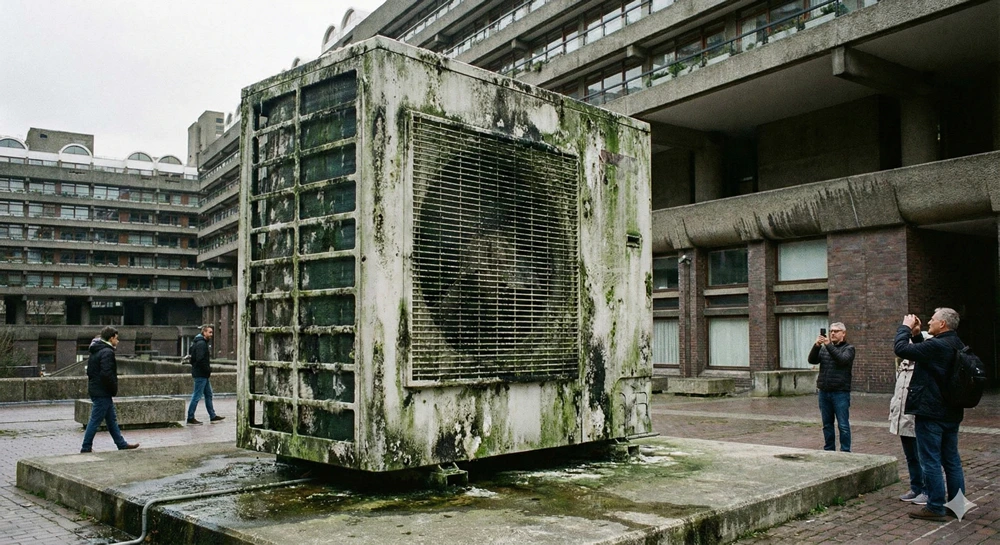
To understand why your AC is at risk, we need to talk about relative humidity. In Metro Manila, the average relative humidity hovers between 75% to 85% year-round, spiking even higher during the rainy season. That is an incredible amount of water vapor suspended in the air we breathe.
When you turn on your split-type or window aircon, warm, humid air from your room is pulled over a set of very cold copper tubes called the evaporator coils. Just like a glass of ice-cold soft drink “sweats” on a hot afternoon, the moisture in the air condenses on these cold coils. This process turns invisible water vapor into liquid water droplets, which then drip down into a catch basin (the condensate pan) and are drained outside.
By removing this moisture, the aircon makes the air feel cooler and lighter-less maalinsangan.
But here is the catch: your aircon unit is essentially a dark, cool, and constantly wet box. Mold and mildew require three things to thrive: moisture, darkness, and a food source.
- Moisture: Manila’s humidity ensures your aircon’s internals are wet almost 24/7 when operating.
- Darkness: The inside of the indoor unit casing is pitch black.
- Food Source: The dust, dead skin cells, pet dander, and urban pollution that bypass your standard filters and stick to the wet coils provide an endless buffet for fungal spores.
In our climate, your aircon isn’t just a cooling machine; it is, unfortunately, the perfect petri dish for biological growth.
The Invisible Threat: Beyond the Filter
Many Filipino homeowners are diligent about “DIY maintenance.” We take the plastic mesh filters out every other Sunday, wash them in the laundry sink, dry them, and put them back. We feel a sense of accomplishment, thinking we’ve done our job.
While cleaning filters is important for basic airflow, it does absolutely nothing to stop mold growing deep inside the unit.
The real danger zone is past the filter. Over months of use in Manila weather, a slime layer begins to form on the evaporator coils and in the drainage tray. This slime is a combination of mud created by dust mixing with condensation, alongside colonies of mold and bacteria.
The Dreaded “Amoy Kulob” How do you know this is happening if you can’t see it? You can smell it.
Every Filipino knows the scent of amoy kulob-that damp, musty smell reminiscent of clothes that didn’t dry properly in the sun during rainy season. If you turn on your aircon and the first blast of air hits you with that stale, funky, earthy odor before it eventually gets cold, that is the smell of active mold and mildew growth.
Your aircon is literally blowing air through a layer of fungus before it reaches your lungs. Masking it with air fresheners or essential oils is just covering up a biohazard living on your wall.
The Consequences: Health, Wealth, and Stealth
Ignoring the mold growing inside your aircon unit due to our humid climate isn’t just an aesthetic issue; it has real-world consequences for your family and your wallet.
1. The Health Hazards (The Stealth Attack)
When mold grows on the blower wheel (the fan inside the unit that pushes the air out), it acts like a spore cannon. Every time the fan spins, it flings microscopic mold spores and mycotoxins into your bedroom or living area.
For families with young children, elderly relatives (mga lolo at lola), or anyone with asthma, allergies, or sensitive sinuses, this is a constant irritant. You might find your family suffering from the “never-ending cold,” morning sniffles, itchy eyes, or persistent coughs that seem to get worse when indoors. We often blame the sudden weather changes, but often, the culprit is the very machine meant to comfort us.
2. The Meralco Shock (Wealth Drain)
We already pay some of the highest electricity rates in Asia. A moldy aircon unit makes it worse.
When mold and grime coat the evaporator coils, they act as insulation. The cold refrigerant inside the coils cannot effectively absorb the heat from your room’s air because a layer of fungal slime is blocking the transfer.
This means the aircon has to run longer and work harder to reach the 23°C you set on the remote. The compressor-the heart of the system and the biggest electricity consumer-stays on for extended periods. You aren’t just paying for cooling; you are paying extra for the machine to fight through its own filth. A dirty, moldy AC is a massive energy vampire.
3. Premature Unit Death
Mold and the moisture it traps can be corrosive. Over time, this can lead to rust on the coils and damage to the delicate fins. The accumulated sludge can also block the drainage pipe, leading to water leaking down your interior walls, damaging paint and plaster. In the humid Philippines, a neglected aircon dies young, leading to expensive repairs or premature replacement costs.
The Solution: Why Professional Cleaning is Non-Negotiable in Manila
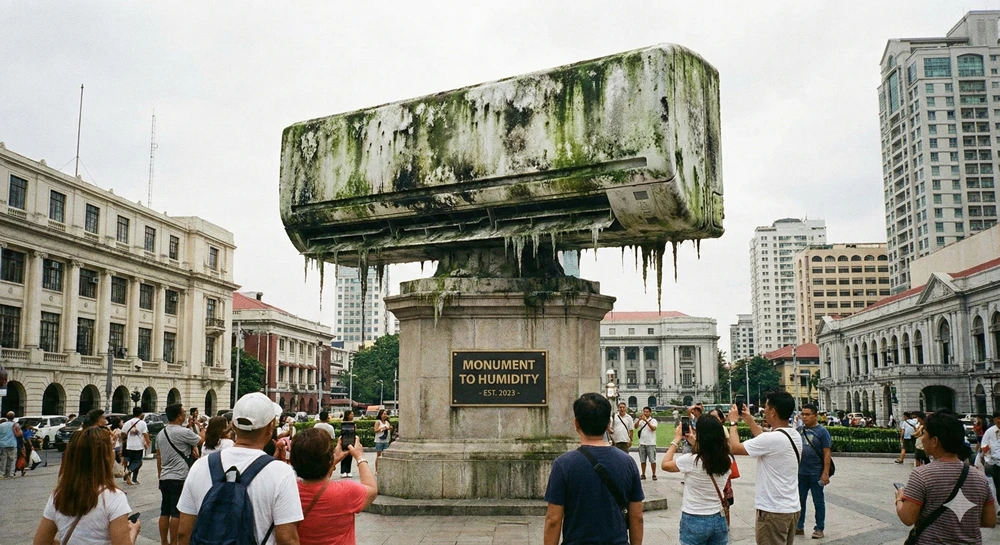
Given our climate, professional air conditioning cleaning is not an optional luxury; it is mandatory maintenance. In drier climates, you might get away with annual cleaning. In Manila, twice a year is often the minimum recommendation, sometimes quarterly for heavy usage areas.
Why can’t you just do this yourself?
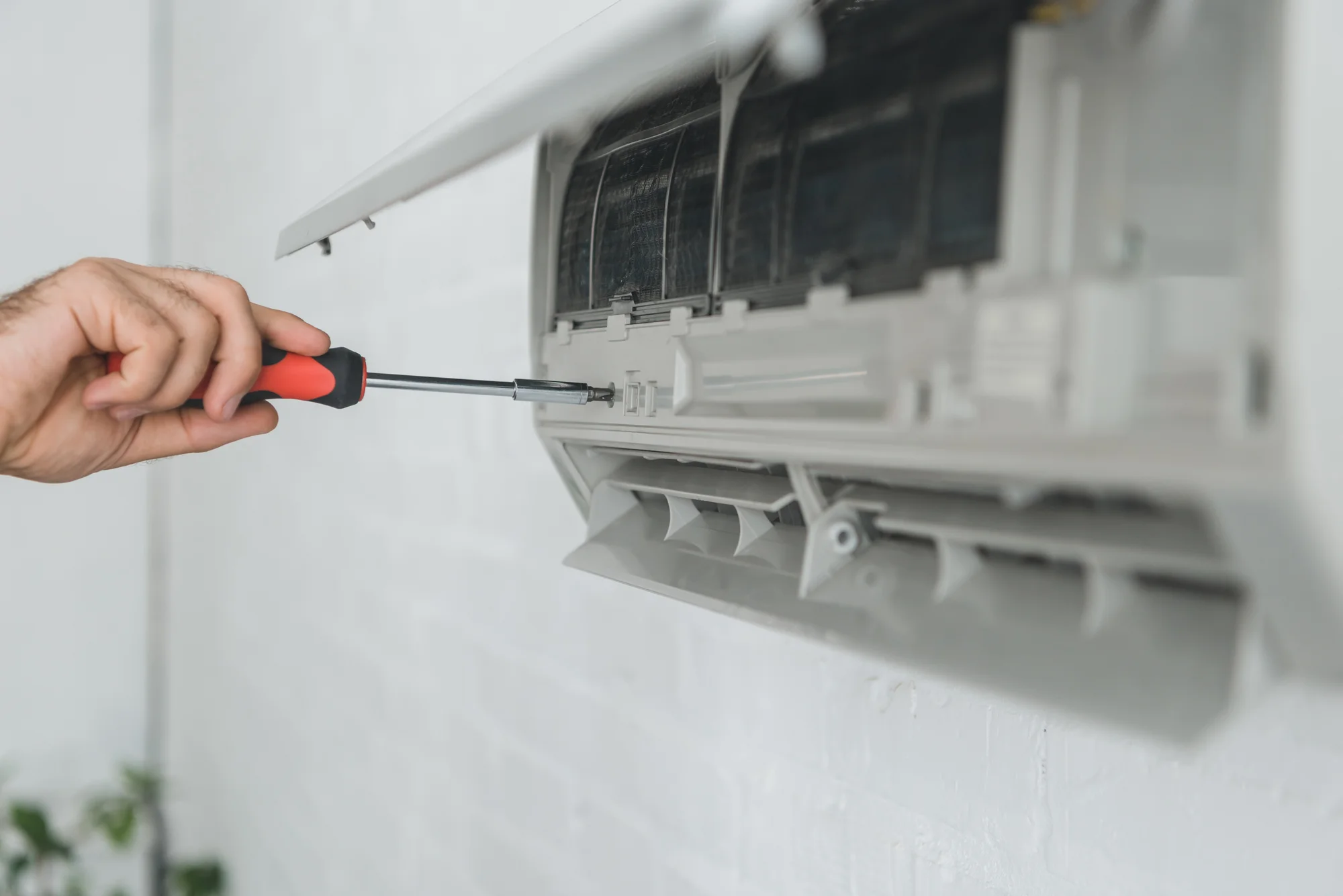
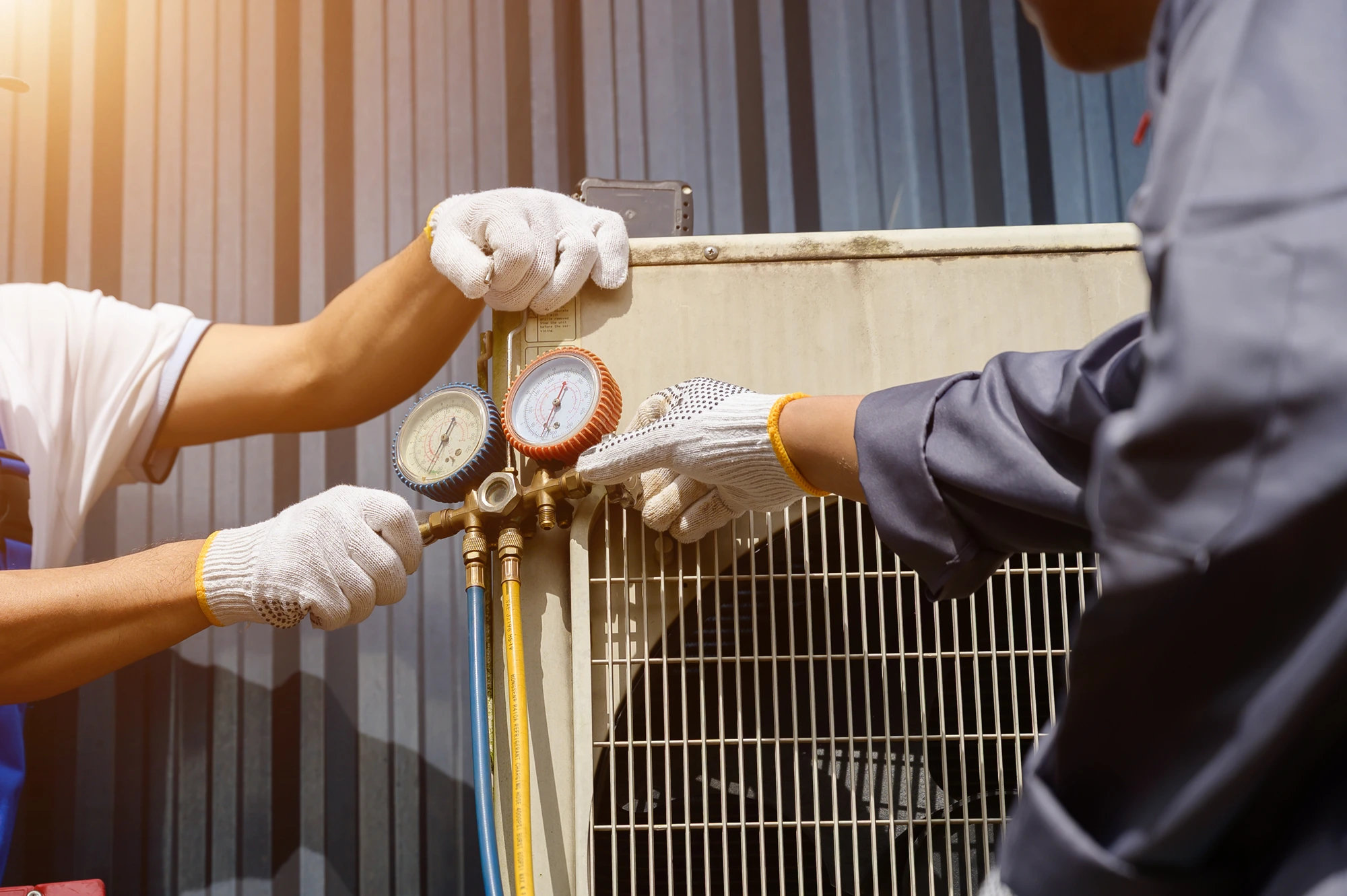
A professional technician performs a “general cleaning” or “chemical wash” that goes far beyond what a homeowner can do.
1. Disassembly: They don’t just open the lid. They remove the front casing, the louvers, and sometimes pull out the entire blower wheel and drainage tray. This exposes the deep, dark corners where mold hides.
2. Pressure Washing: They use specialized pressure washers (often with catch-bags to protect your walls) to blast away the impacted slime and jelly-like mold buildup from between the tight metal fins of the coils and the blades of the fan. You cannot achieve this with a rag or a vacuum.
3. Chemical Treatment: This is crucial. They apply appropriate chemical cleaners that don’t just remove dirt but kill surface mold and bacteria and cut through the biofilm that has developed due to constant humidity.
4. Drainage Flush: They pressure flush the drain lines to ensure the algae and slime buildup that causes leaks is completely cleared out.
Conclusion: Winning the Battle
Living in Manila means accepting humidity as a fact of life. But you don’t have to accept mold in your home.
Your air conditioner is fighting a tough battle every day to keep your home dry and cool. It is inevitable that the combination of Philippine heat and moisture will lead to internal biological growth eventually.
Don’t wait for the amoy kulob to become unbearable or for your electricity bill to shock you. Treat professional aircon cleaning like you treat an oil change for your car-it’s essential preventive maintenance that keeps the machine running safely and efficiently. Protect your health, lower your bills, and win the Manila humidity battle by ensuring the air you breathe is truly clean, not just cold.