Quick answer: Choose aircon horsepower by matching the model’s actual cooling capacity to the room’s cooling requirements. Measure the space, identify heat from sunlight, occupants, appliances, and adjacent rooms, then use the manufacturer’s sizing guidance or a qualified assessment. Compare cooling capacity in kW or BTU per hour as well as the advertised HP category. Do not assume that buying the next larger unit always gives better comfort or lower electricity bills.
Choosing the right horsepower for your home starts with the room, not the biggest discount or the most impressive capacity label. Two bedrooms with the same floor area can need different cooling because of windows, ceiling height, insulation, occupancy, and exposure to the afternoon sun.
For Philippine households, HP is a familiar way to browse air conditioners. However, it is only one part of the comparison. This guide explains how to collect the right information, interpret cooling specifications, and ask for a practical recommendation before purchasing or installing a unit.
What Does Aircon Horsepower Tell You?
In local retail listings, horsepower commonly identifies an aircon capacity category. It helps organize models into familiar groups, but it does not replace the published cooling specification. Check the actual model data rather than treating every unit with the same HP label as identical.
Also, keep cooling output separate from electrical consumption. Cooling capacity describes the heat-removal capability stated for the equipment. Electrical input describes the power used under the stated conditions. These are different measurements, even when both appear in kW or watts.
A useful example appears in the DOE energy-label record for Panasonic model CW-XU1221VPH. It lists cooling capacity of 3.33 kW and power input of 968 watts. That illustrates why the cooling-capacity figure should not be used as though it were the electricity consumed by the unit.
When comparing models, write the brand, full model code, HP category, and stated cooling capacity in the same row. This makes differences visible and prevents a salesperson’s shorthand from becoming your only basis for the decision.
Understand kW, BTU per Hour, and the HP Label
Cooling capacity may be published in kilowatts, BTU per hour, or another equivalent heat-output unit. Approximately 1 kW of cooling capacity equals 3,412 BTU per hour. This conversion relates two ways of expressing cooling output; it does not convert an HP category into a guaranteed model capacity or calculate your electricity bill.
| Illustrative cooling capacity | Approximate equivalent | What it means |
|---|---|---|
| 2.0 kW | 6,824 BTU per hour | A stated heat-removal capacity, not an electrical-input figure. |
| 3.5 kW | 11,942 BTU per hour | A way to compare specifications published in different units. |
| 5.0 kW | 17,060 BTU per hour | A cooling-output figure that still needs matching to the room. |
For variable-capacity equipment, the specifications may also show minimum and maximum output. Ask what the nominal rating means and how the model operates under the conditions expected in your home. A large maximum figure alone does not prove that the unit is the best match.
Step 1: Define Exactly Which Space Will Be Cooled
First, decide whether the aircon will serve one enclosed room or several connected areas. An open doorway to a dining room, hallway, or kitchen can change the space you expect the unit to cool. A unit selected for a bedroom should not automatically be expected to cool the rest of the home.
For a rectangular room, multiply length by width to calculate floor area. A room measuring 4 meters by 5 meters has an area of 20 square meters. For an L-shaped room, divide the space into rectangles and add their areas. Keep the measurements rather than rounding them to fit a product label.
Then record the ceiling height. Two rooms with equal floor area can have different dimensions and construction. Note any double-height section, open stairwell, or unusual layout so the installer understands the actual space.
- Measure room length and width.
- Record ceiling height and any open adjoining spaces.
- Identify doors that will usually be open during cooling.
- Note partitions, alcoves, and areas where airflow may be obstructed.
- Take wide photographs showing windows, ceilings, and the proposed unit location.
In a rental or condo, also confirm which rooms you are permitted to modify and where an outdoor unit may be installed. These practical limits should be known before selecting equipment.
Step 2: Use a Sizing Chart as a Starting Point
A capacity chart can narrow the options, but its assumptions matter. The ENERGY STAR room-air-conditioner guide provides area-based starting values for room units using an eight-foot ceiling assumption. Its figures are useful for understanding the relationship between area and capacity, but they are not a universal Philippine HP prescription.
| Area in the ENERGY STAR guide | Approximate metric area | Guide cooling capacity |
|---|---|---|
| 100 up to 150 square feet | 9.3 up to 13.9 square meters | 5,000 BTU per hour |
| 150 up to 250 square feet | 13.9 up to 23.2 square meters | 6,000 BTU per hour |
| 250 up to 300 square feet | 23.2 up to 27.9 square meters | 7,000 BTU per hour |
For the equipment you intend to buy, use the manufacturer’s own room guide and ask how its assumptions compare with your home. The recommendation may differ because of climate, room construction, heat sources, or the way the space is used.
A chart does not inspect your windows, measure afternoon heat gain, or identify an open connection to another room. Treat it as a screening tool. For challenging layouts or substantial purchases, get the recommendation checked before committing.
Step 3: Record the Features That Change Heat Load
Carrier Philippines’ horsepower guidance identifies room size, windows, insulation, appliances, and occupancy as relevant considerations. That supports a practical approach: assess the room’s conditions instead of selecting capacity from floor area alone.
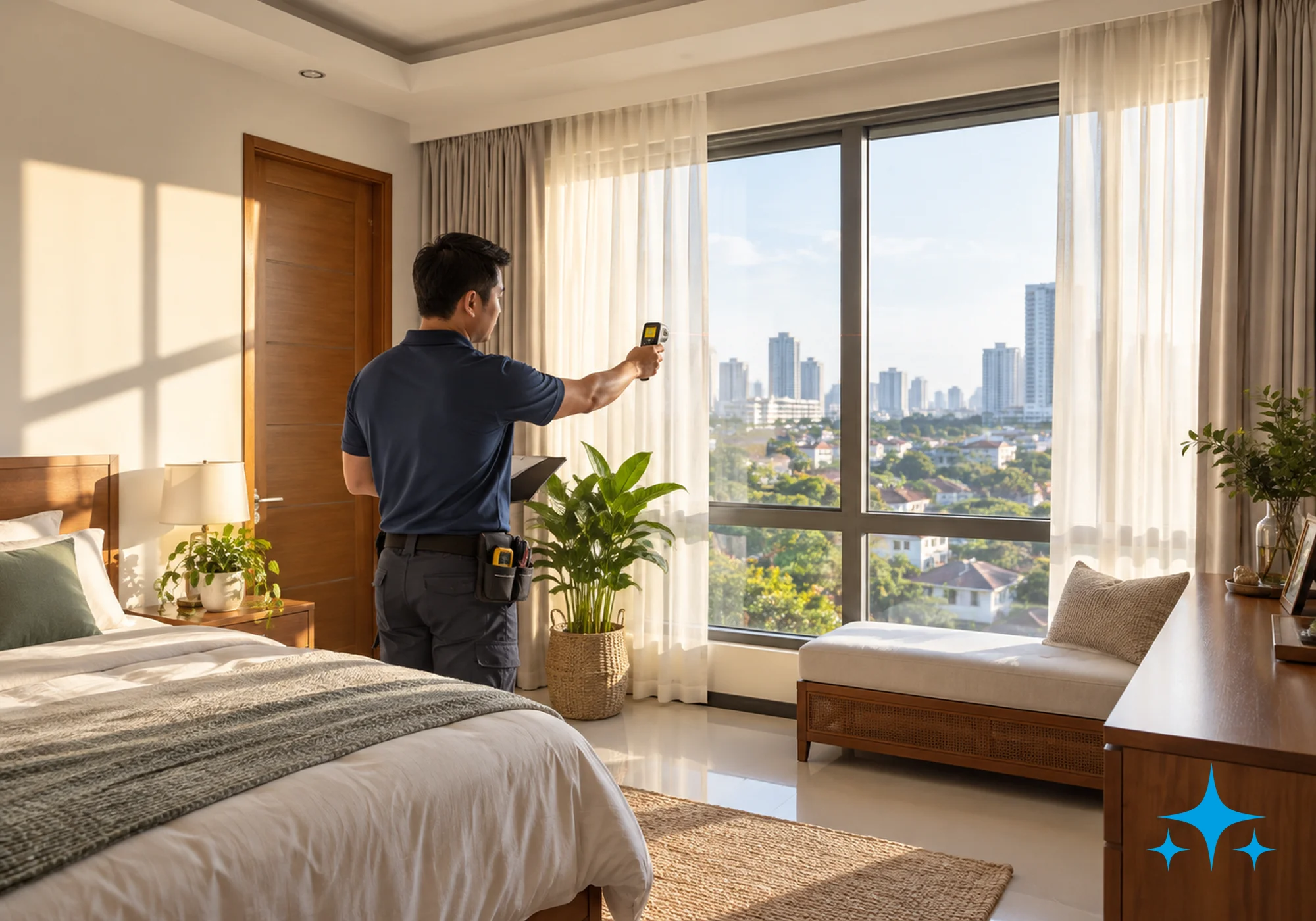
Sunlight and Window Exposure
Describe when direct sunlight enters the room, the size of the windows, and whether shading or curtains are normally used. A photograph taken early in the morning may not reveal the conditions you experience during a hot afternoon.
Also, tell the assessor whether you can improve shading. It may be worth addressing a preventable source of discomfort alongside the aircon decision rather than expecting equipment selection alone to solve it.
Roof, Walls, and Insulation
Note whether the room is on the top floor, beneath an exposed roof, or next to an exterior wall that becomes hot. Give the installer useful observations without guessing how much extra capacity each feature requires.
If doors or windows do not close well, record that too. The assessment should consider the actual condition of the space. A clear description helps separate an equipment requirement from a building condition that may be improved.
Occupants and Appliances
List how many people normally use the room and what they do there. A bedroom used by two sleepers and a home office occupied by several people during the day have different operating patterns.
Likewise, identify computers, cooking equipment, and other regularly used appliances. Do not base the description on an empty room if the unit will usually operate while those appliances and occupants are present.
Usage Schedule and Comfort Expectations
Tell the provider when the unit will run and which areas must feel comfortable. Overnight bedroom use, daytime home-office work, and weekend gatherings are different expectations. Discuss a realistic target temperature rather than assuming the lowest remote-control setting is necessary.
This information also helps you compare capacity and efficiency in a meaningful way. The right recommendation should reflect your intended use, not just a demonstration that the unit can make cold air at the outlet.
Step 4: Avoid the Automatic “Bigger Is Better” Rule
Oversizing is not a universal shortcut to comfort. The U.S. Department of Energy’s room-air-conditioner purchasing guidance explains that oversizing can increase purchase cost and energy use and impair humidity removal through excessive on-off cycling.
However, equipment behavior varies. An inverter model can adjust output, so its minimum capacity and controls matter alongside the nominal rating. Do not assume that variable speed makes any amount of oversizing acceptable. Ask how the proposed model matches both peak conditions and ordinary use.
Similarly, do not ignore a recommendation that your room needs more capacity than a basic chart suggests. Ask which conditions justify it and what actual cooling-capacity range is being recommended. A documented explanation is more useful than either “always size up” or “always buy the smallest unit.”
If two recommendations differ substantially, give both providers the same measurements and room information. Then ask each to explain its assumptions. This helps you compare the advice without turning the decision into a contest over the highest HP figure.
Step 5: Compare Efficiency After Confirming Capacity
Once you have identified suitable capacity options, compare efficiency among models intended for the same job. Check the full model code on the quote against the product information and energy label. Similar-looking model names can represent different equipment.
The Philippine Energy Labeling Program provides an official starting point for checking product-label information. Read cooling capacity, power input, and Cooling Seasonal Performance Factor together. A cooling-capacity figure tells you about output, while CSPF is an efficiency indicator under the applicable test method.
Do not read the label’s sample monthly consumption as a guaranteed bill for your home. Actual operating hours, room conditions, settings, electricity rates, and equipment use can differ from a sample calculation. Keep capacity selection and bill estimation as related but separate steps.
For an overview of equipment behavior, read the site’s inverter versus non-inverter aircon comparison. Use it to frame questions about the models you are considering rather than assuming every inverter unit performs identically.
Step 6: Check Whether Installation Fits the Property
A sensible model recommendation should include the practical installation requirements. Ask where the indoor and outdoor units will go, whether the proposed location allows useful airflow, and how future service access will be handled. A unit that is awkward to maintain can create avoidable difficulties later.
For a split system, request a clear explanation of the included installation work and any additional materials or site requirements. For a window unit, clarify the opening, support, and sealing arrangements. Your installer should follow the specific equipment instructions.
Discuss electrical requirements with qualified personnel rather than choosing wiring or protective devices from a generic online chart. The relevant requirements depend on the model and installation. If your building needs approval, arrange that before the installation date.
The professional aircon installation service provides a place to discuss site assessment and setup. Send photos, dimensions, and the exact model under consideration so the quotation addresses your property.
Three Room Examples That Show Why Area Is Only the Beginning
Example 1: A Shaded Bedroom Used at Night
Imagine a 20-square-meter bedroom with ordinary ceiling height, closed doors, limited direct sun, and two occupants at night. These observations give the assessor a useful description. They do not, by themselves, establish a universally correct HP rating.
Ask for the manufacturer’s recommended model range under those conditions. Then compare nominal output, minimum output where relevant, efficiency, noise, and installation cost. A bedroom choice should consider the way you will actually use the room.
Example 2: A Bedroom With Strong Afternoon Sun
Now imagine another 20-square-meter bedroom with large west-facing windows and daytime use. The same floor area does not justify assuming the same selection. Provide the sunlight schedule, shading details, roof exposure, and intended operating hours.
Ask whether improving shading changes the recommendation and whether a site assessment is appropriate. Do not add a fixed amount of horsepower yourself without knowing how the manufacturer or assessor accounts for those conditions.
Example 3: An Open Living and Dining Area
An open living area connected to a dining space should be described as the connected area you expect to cool. Measure both sections and explain how doors, cooking, guests, and airflow affect normal use.
If one unit is proposed, ask which areas it is expected to serve and where discomfort may remain. If multiple units are proposed, ask how the zones and operating schedule will work. The number of units and their placement can matter as much as a single capacity label.

What to Ask Before Accepting a Recommendation
- What room measurements and operating conditions were used?
- What cooling capacity in kW or BTU per hour is recommended?
- Which exact model and HP category correspond to that recommendation?
- How does the equipment handle both ordinary use and hotter conditions?
- What installation materials, site work, and electrical assessment are included?
- What access will be available for cleaning and future repairs?
- Which warranty and service terms apply to the proposed installation?
Keep the answers with the quotation. If you change the room layout, open an adjoining area, or choose a different model, ask whether the recommendation still applies. A previous assessment should not automatically be reused after important conditions change.
If Your Existing Aircon No Longer Cools Well
Before replacing a unit with a higher-HP model, arrange an assessment of its condition and the room. Reduced performance does not prove that the original capacity was wrong. Describe when the problem began and what changed in the property or usage pattern.
A professional aircon cleaning assessment can establish the appropriate cleaning scope, while other faults may require separate diagnosis. Ask the technician to distinguish maintenance observations from a recommendation to replace equipment.
For routine planning, the aircon maintenance frequency guide helps organize filter care and professional visits. Follow the manufacturer’s instructions for your model and keep a record of the work completed.
Once you have room measurements and model details, contact Cleaning Services PH to discuss installation or service needs. A clear room brief, current equipment information, and written scope make it easier to request relevant advice and compare quotations.
Frequently Asked Questions
Is 1 HP Always Enough for a Bedroom?
No. Bedroom size, construction, sunlight, occupancy, and usage differ. Check the exact model’s cooling capacity and the manufacturer’s sizing guidance, then get the room conditions assessed where necessary. A familiar HP label is not a universal room-size guarantee.
Does a Higher-HP Aircon Always Use More Electricity?
You cannot determine the actual bill from the HP category alone. Compare electrical-input specifications, efficiency, operating hours, and how well the equipment matches the room. Inverter operation and changing conditions also affect consumption during real use.
Should I Automatically Choose the Next Size Up?
No. Ask what capacity your room needs and why. Oversizing can create drawbacks, while a room with substantial heat load may need more capacity than a simple area chart suggests. Choose a documented model match rather than applying a blanket rule.