Coming home after a long trip can feel like a second arrival: bags need unpacking, the refrigerator may be nearly empty, dust has settled, and the home has been closed for days or weeks. A practical cleaning reset helps you restore the rooms you use first without trying to tackle every task on the first evening. The aim is to make the space comfortable, identify anything that needs attention, and pace the remaining chores.
This guide is for ordinary household upkeep after travel. It is not a substitute for a specialized response to flooding, pests, a power failure, or a strong unexplained odor. If you prefer help with multiple rooms, compare one-time home cleaning with recurring cleaning. A standard-versus-deep cleaning overview can help you decide whether the home needs routine service or a more detailed reset.
Start with a quick safety and condition check
Before unpacking, walk through the home and notice anything unusual: a leak, damp wall, tripped breaker, open window, pest activity, or a smell that was not there when you left. If you find water near outlets or an appliance, avoid touching the area and contact the appropriate building or repair professional. Cleaning should wait until the source and safety risk are understood.
Check that windows and doors are secure, then open them only if weather and outdoor air quality make it sensible. If the home was closed for a long time, let fresh air circulate according to the building’s ventilation setup. Avoid switching on a visibly damaged appliance or one that smells hot or electrical. Note concerns with photos and report building issues promptly rather than attempting repairs as part of routine housekeeping.
Prioritize the first hour back
Choose a few high-value tasks: wash your hands, unpack medication and essentials, clear a surface for luggage, and check the refrigerator. Put travel clothing that needs washing in a laundry basket. Empty any trash that may have been left behind and remove perishable food that is clearly spoiled. A quick tidy creates space to unpack without scattering belongings through the home.
Do not start with low-priority details such as polishing every fixture or rearranging storage. You may be tired, and rushed decisions can lead to damaged finishes or forgotten items. Set a timer for a short first pass, then pause. If family members are returning together, assign simple tasks: one person sorts laundry, another checks the kitchen, and someone else gathers packaging. Keep travel documents and valuables in a designated place before cleaning around them.
Handle the kitchen and food safely
Check the refrigerator, freezer, and pantry for spoiled or leaking food. When power interruptions are suspected, use your judgment cautiously and follow food-safety guidance for the specific circumstances; do not taste food to decide whether it is safe. Dispose of questionable items in a sealed bag, clean any visible leak, and wash your hands afterward. If the refrigerator has an unusual odor or is not cooling, avoid restocking it until the appliance is checked.
Wipe the counters, sink, and table with cleaners compatible with their surfaces. Wash dishes left in the sink rather than leaving them to soak indefinitely. Clean sticky handles and the area around the bin. For a larger appliance reset, use the existing kitchen cleaning plan for grease and appliances once available in your content plan; until then, use the manufacturer’s directions for your model. When preparing a meal, keep food-contact surfaces clean and do not use a general surface product without checking its label.
Refresh bedrooms and living areas
Make beds with clean linens if they were left uncovered, and inspect mattresses or pillows for dampness or pest signs before use. Dust flat surfaces from high to low, then vacuum or sweep floors. If the home has been closed, use a damp microfiber cloth for surfaces so settled dust is captured rather than pushed around. Keep cleaning liquid away from electronics, wood finishes, and fabric unless the care instructions allow it.
Open curtains or blinds to let in daylight when privacy and heat conditions permit. Check around windows for condensation or water marks, especially after heavy rain. A humid or musty smell can come from damp textiles, a leak, or trapped air, so investigate the source instead of covering it with fragrance. If you notice visible mold over a larger area or recurring moisture, use the humidity and mold prevention guide and contact the property manager or a qualified specialist as appropriate.
Unpack and manage laundry without creating a pile
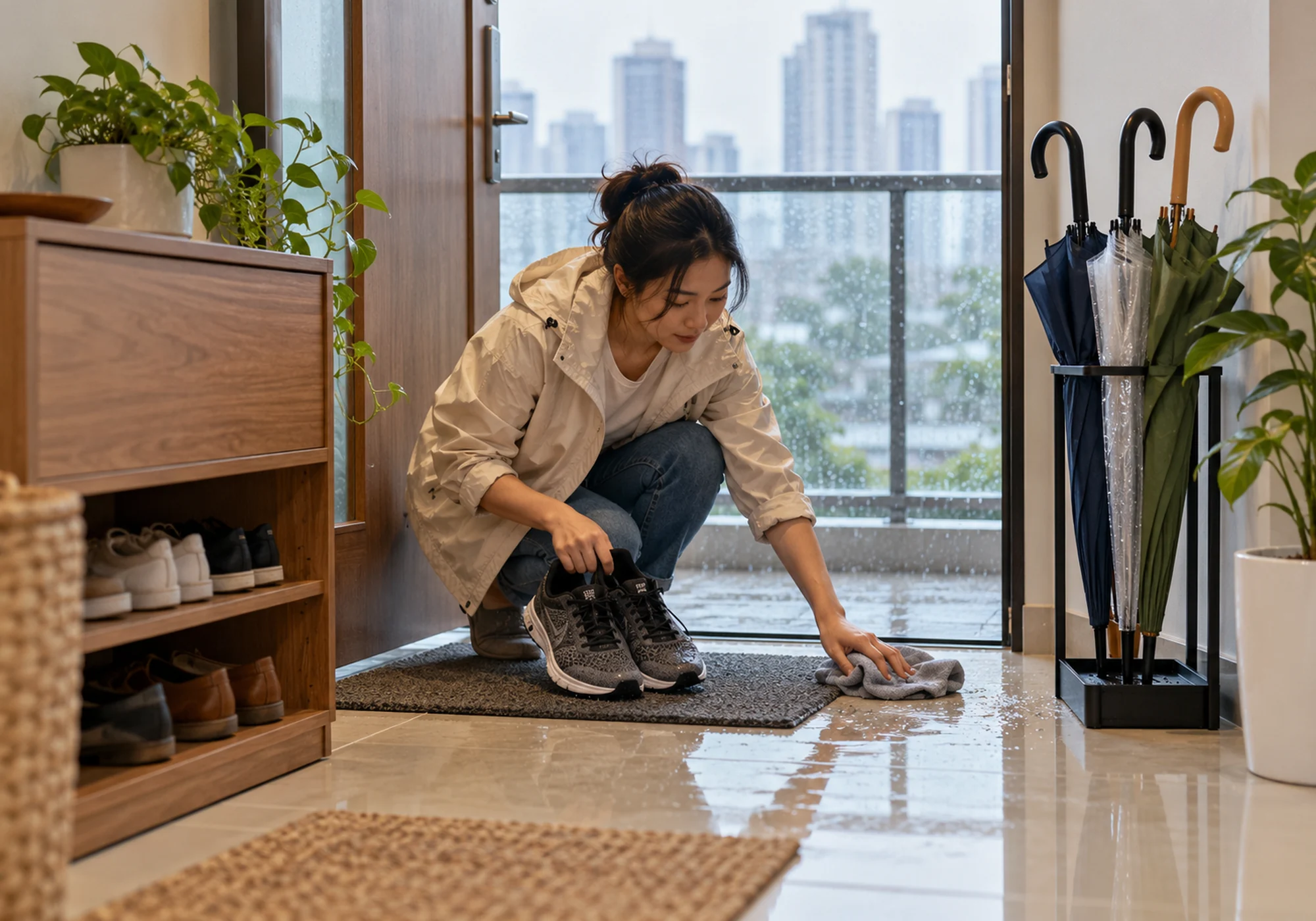
Separate laundry into simple groups based on color, fabric care, and how soon it is needed. Check pockets before washing and follow garment labels. If clothes are damp from luggage or rain, do not leave them folded in a suitcase; hang or wash them promptly. Clean the suitcase exterior according to its care label and allow it to dry before storing. Keep dirty travel shoes near the entryway, not on bedroom floors.
Wash only what you can dry fully. In a humid environment, a large batch of wet laundry can remain damp and develop odor if the drying space is crowded. Use an appropriate drying method with airflow and avoid overloading a rack. If linens need a refresh, prioritize the items needed for sleep first. A full laundry area reset can happen later; the goal on arrival night is to keep damp textiles moving toward complete drying.
Clean the bathroom and high-touch points
Check the bathroom for a dry floor, working taps, and any leak near the toilet or under the sink. Flush fixtures and run water as normal if the home was vacant, while watching for signs of a plumbing issue. Wipe the sink, faucet handles, and counter, then clean the toilet and shower according to the product labels. Keep the bathroom ventilated and dry the floor before walking through.
Disinfecting every surface is not automatically necessary after travel. Routine cleaning removes ordinary soil; use a disinfectant only when the situation calls for it and follow contact time on the label. Do not mix products or use a spray near toiletries and toothbrushes. Wipe door handles, switches, remote controls, and other high-touch surfaces with a compatible method, then let them dry. Store chemicals securely after the reset so they are not left out during unpacking.
Check the entry and luggage zone
Keep bags off upholstered furniture when possible. Wipe hard-sided luggage handles and the wheels if they have visible dirt, using a method suitable for the material. For fabric luggage, follow its care instructions and spot-test any cleaner. Do not soak a suitcase or close it while damp. Vacuum loose dirt around the entry and wipe the floor based on the flooring type.
Return keys, wallets, travel cards, and chargers to their regular places. If you brought home sand or soil, collect it before mopping so it does not scratch the floor. Put away the travel shoes after they are dry. A small, clear luggage zone makes it easier to unpack without blocking a hallway or leaving trip hazards where family members walk. This is especially helpful in smaller apartments where the entry and living area share floor space.
Make a two-day reset plan
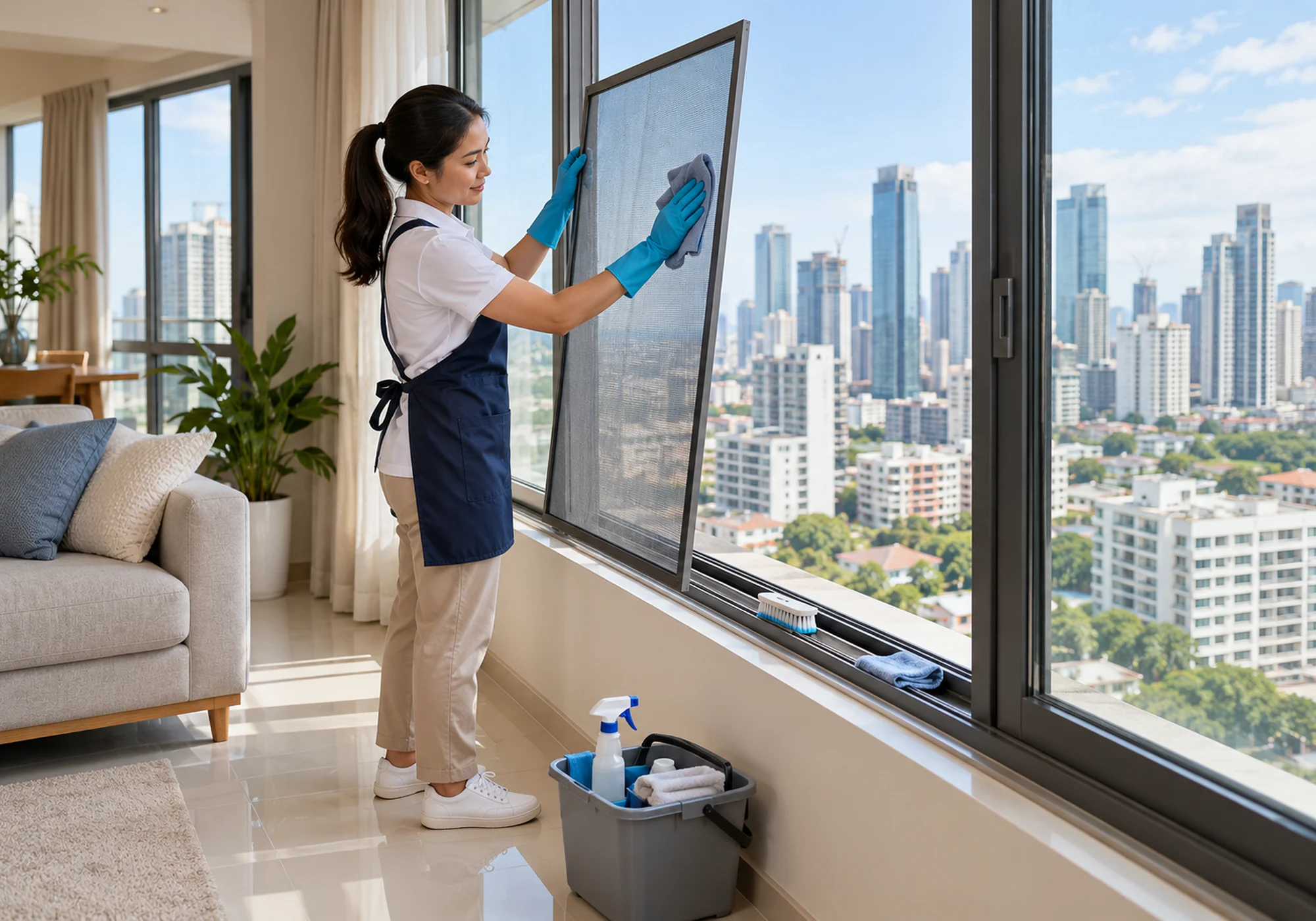
Some tasks can wait until the next day: changing all bedding, cleaning window tracks, organizing pantry shelves, or laundering decorative covers. Write down only the tasks that matter, and group them by room. If you return late, choose a safe and comfortable stopping point rather than turning the first night into an exhausting deep clean.
Use a short list: arrival essentials, next-day cleaning, and maintenance issues to report. If the home needs service, describe which rooms, tasks, and priorities matter most. An occasional cleaning visit can help with a set of rooms, while occasional home cleaning may suit a household that does not need a regular schedule. Confirm the scope, access, and any fragile items before booking.
Prevent a harder reset on the next trip
Before a future departure, remove perishable food, take out trash, run or empty the dishwasher, and leave the sink clean. Put laundry away or in a hamper that allows airflow. Close windows, secure doors, and set appliances according to their manuals. Ask a trusted person to check the home if the trip is extended, especially during storm season or when there are known maintenance issues.
Leave a brief note for your return: where essential supplies are, what food should be used first, and any repair follow-up. A modest departure routine reduces the amount of catch-up cleaning later. When you arrive back, start with safety, food, and rest; then clean by priority. This gradual approach makes a home feel ready again without adding unnecessary pressure to the first day back.
Frequently Asked Questions
What should I clean first when I return from a long trip?
Check for unusual leaks, odors, pests, or power issues first. Then handle essentials, remove spoiled food, and clean the kitchen and main surfaces.
Should I throw away food left in the refrigerator while I was away?
Inspect food carefully and discard items that appear spoiled or may have been stored unsafely during a power interruption. Do not taste food to test it.
How can I reduce musty odors after a home has been closed?
Air out the home when appropriate, wash or dry damp textiles, and look for leaks or moisture. Address the source instead of masking the odor.
Is disinfecting every surface necessary after travel?
No. Routine cleaning is usually enough unless there is a specific illness, contamination, or other reason to disinfect. Follow product labels when disinfecting.
Which cleaning tasks can wait until the day after I return?
Detailed dusting, window tracks, organizing, and other non-urgent tasks can wait. Prioritize safety, food, sleep, and the rooms you need first.