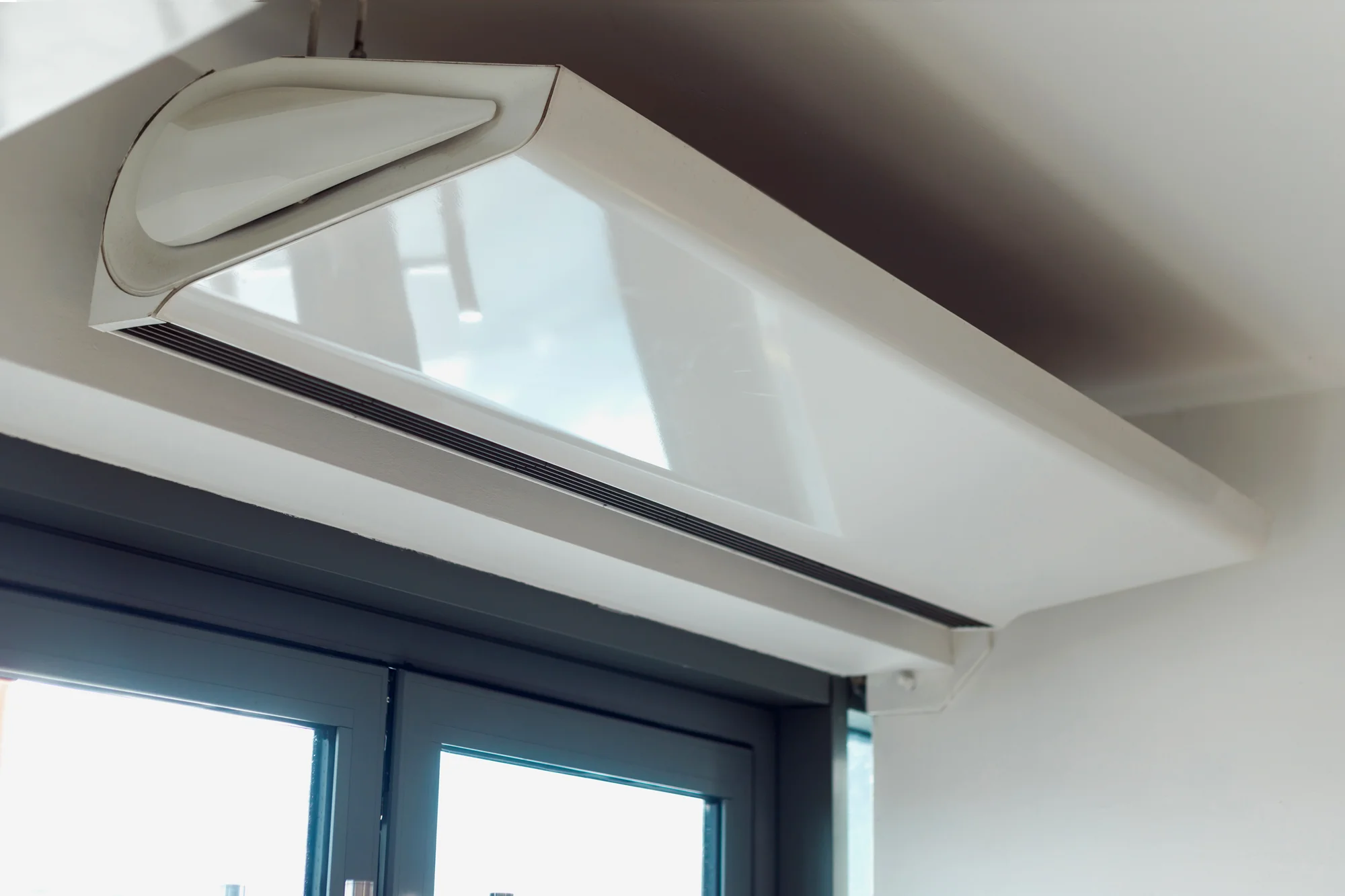
Visible ice on an aircon is a reason to stop ordinary operation and request model-appropriate advice. Do not scrape the ice, apply direct heat, or open refrigerant or electrical components. Record where the frost appears and any cooling, airflow, or leakage changes from a safe position. Ice can involve different conditions, so it should not automatically be treated as proof that the unit needs a refrigerant refill.
Confirm what you can see without dismantling the unit
Describe the location of visible ice: an accessible indoor area, an exposed section of pipe, or another part you can observe safely. A cold surface, condensation, and actual frost are different observations. Take a photograph without removing fixed covers or touching pipework.
If the location is hidden behind a ceiling, inside a housing, or on a service ledge, leave access to the provider. You do not need to expose the entire affected area to request help. Include the unit type and model so the technician can plan. A useful report says exactly what is visible and what is uncertain. It should not turn a small patch of frost into an unsupported claim about the compressor, refrigerant type, or quantity in the system.
Stop use and plan for possible meltwater
Follow the manufacturer’s instructions and seek appropriate advice about the stopped unit. Do not repeatedly restart it to see whether the frost returns. Keep the area managed if melting ice could drip onto flooring, furnishings, or electrical equipment.
Protect accessible belongings only where it is safe. Do not approach wet electrical items or reach through water for a plug. If a leak affects a shared ceiling or neighboring property, notify building management. A container placed on the floor may help control an ordinary accessible drip away from electricity, but it is not a repair and should not create a trip hazard. Give the provider an accurate description of the situation so the appointment addresses both the icing complaint and any resulting water issue.
Understand why several conditions may need assessment
Restricted airflow and refrigerant-related faults are among the possibilities a technician may investigate. Equipment controls, installation, and operating conditions can also matter. The visible symptom alone does not tell a homeowner which component to buy or which service will solve it.
Avoid a quotation that jumps straight from a photograph of ice to an automatic refill without an explanation of the assessment. Ask what observations or tests support the recommendation. The site’s aircon technician warning guide places icing within the wider repair discussion. If a provider recommends cleaning, clarify which buildup was found and why the proposed method fits the condition. If a repair is recommended, ask how it differs from routine maintenance and what will be checked before normal use resumes.
Review only user-approved filter care
The manual may identify an accessible filter maintenance task, but follow its exact procedure and shutdown requirements. A filter is not automatically washable, and removing it does not authorize opening the rest of the unit. If the instructions are unclear, ask the provider rather than improvising.
Use the aircon filter cleaning guide as general planning context while keeping the specific model’s directions authoritative. Record whether the filter was recently cleaned and whether it was fully returned to its correct position. Do not run the unit with required parts missing to see whether airflow improves. Likewise, do not treat a visibly dirty filter as proof that every other part is sound. Basic maintenance history helps the technician, but it does not replace diagnosis of a recurring icing condition.
Avoid thawing shortcuts that damage the equipment
Do not chip frost with a knife, screwdriver, or other sharp tool. Avoid a hair dryer, boiling water, or a chemical sprayed into the housing to accelerate thawing. These actions can affect sensitive surfaces, controls, and pipework while leaving the underlying condition unresolved.
Also, do not bend a pipe or adjust an internal part because it appears close to the ice. Leave equipment handling to the appropriate technician and follow model-specific instructions about waiting and access. If someone has already attempted a treatment, tell the provider what was used. Accurate history is more helpful than hiding a well-intended attempt. The aim is to preserve the equipment for assessment, not to make the ice disappear quickly enough that the original symptom becomes difficult to explain.
Prepare a short icing history
Write down when the condition was first noticed, whether it recurred, the selected mode, and any change in cooling or airflow. Include visible error codes without searching through electrical menus or changing hidden settings. Keep photographs with their dates.
Note recent cleaning, repair, relocation, renovation, or changes to room use. These details do not identify a cause on their own, but they help the provider assess the timeline. A simple record might say that frost was first visible after several days of weaker airflow, or that leakage appeared while the stopped unit was thawing. Avoid inventing exact operating temperatures or pressures that you have not measured. Clear ordinary observations are more useful than technical-sounding figures copied from another model’s online discussion.
Ask for a defined diagnostic and repair scope
Confirm whether the booking covers inspection only or includes a separately approved cleaning task. Ask about diagnostic fees, access, parts, and how additional work will be authorized. A provider should explain the proposed response to the actual findings rather than treating every icing complaint as the same package.
If refrigerant work is recommended, ask how the system condition was assessed and how any identified leak or fault will be addressed. Do not request a generic top-up as a substitute for that explanation. Keep the written quotation and report. If a part must be ordered or further access arranged, record that the issue remains open. A visit should not be described as a completed repair merely because the visible ice was no longer present when the technician arrived.
Return to use through the provider’s instructions
Ask what checks were completed and what operating guidance applies after the agreed work. Refit any user-removable parts only as directed, and confirm that covers and filters are correctly positioned. Keep any recommended follow-up visible in the household records.
Use the aircon maintenance guide to support ongoing care after the fault has been assessed. If ice, weak cooling, or leakage returns, report the timing and conditions promptly rather than repeating the same treatment yourself. Do not assume that a new symptom is covered by the previous repair warranty without checking the written terms. A useful handoff states what was done, what was observed afterward, and what the resident should report if the condition recurs.
A practical example for a bedroom aircon
Imagine a resident sees frost through an accessible filter opening and notices reduced airflow. The resident stops ordinary use, keeps the surrounding area clear, and sends a photograph with the model information. No sharp tool, direct heat, or repeated restart is used to remove the visible symptom.
The provider receives the recent maintenance history and confirms the inspection scope before the appointment. After assessment, the resident asks how the recommended work relates to the findings and what completion checks will be recorded. If a follow-up is necessary, the equipment’s availability is explained to other household members. This sequence protects both the room and the service record. It replaces guesswork about a refill or chemical wash with a clear assessment and a defined next step for the specific aircon.
Apply the checklist to your service inquiry
For example, imagine that visible ice appeared on the equipment during ordinary use. Follow appropriate stop-use and manufacturer guidance rather than trying to scrape or heat the ice. Describe the location from a safe position and ask the provider what assessment is needed. Visible ice is a symptom, not a complete diagnosis.
Organize the information under these five headings before contacting the provider:
- Location of visible ice
- Time first noticed
- Changes in airflow
- Safe photographs if available
- Manufacturer and provider advice
Keep the facts separate from the outcome you hope to achieve. A short, accurate description gives the booking team a better starting point than a guessed diagnosis or a request for an unspecified package. If information is missing, label it as unknown instead of filling the gap with an estimate. Let the provider explain what can be established remotely and what requires an appropriate on-site assessment.
When you are ready, use the Cleaning Services PH contact page to discuss availability and the suitable scope. Include the unit and property information relevant to this checklist, then confirm the proposed visit and any approval steps in writing. Retain the response with the equipment record so the person receiving the team can explain the same request clearly.
Frequently Asked Questions
Can I send a video through the provider’s booking channel?
Ask which file formats and contact channel the provider accepts.
Should I tell the technician about a prepaid electricity meter?
Yes, if it affects access, power availability, or appointment arrangements.
Can I request a second opinion before an expensive repair?
Yes. Keep the first written findings and disclose them to the next provider.
Should I keep replacement-part packaging?
Keep identifying information and receipts for as long as the service or warranty terms require.
Can I arrange assessment for a vacant rental unit?
Confirm owner authorization, secure access, and an available local contact.