Quick answer: Move-out cleaning prepares an empty property for inspection and the next occupant; move-in cleaning prepares the new place for your belongings and daily use. The scopes overlap, but the timing, evidence, and priorities differ. Photograph the condition before work, agree on a room-by-room task list, confirm utility and building access, and inspect the result before keys change hands. Do not assume that a general one-time cleaning booking automatically covers a lease handover or a newly renovated unit.
Moving between homes creates two separate cleaning deadlines, often alongside movers, property inspections, and building access rules. Renters, owners, and property managers need to know who does what, when to schedule the team, and which stains are cleaning issues versus repairs. These two checklists help residents anywhere in the Philippines prepare for a move without cleaning the wrong place at the wrong time.
Check the lease and inventory first
Before booking move-out work, read the lease, inventory, and any handover checklist. Note which appliances, furniture, and fixtures belong to the property and what condition was recorded at move-in. Normal wear, damage, and removable dirt are different categories. Photograph each room, cabinet, bathroom, window, and appliance before items are removed and again after cleaning. Keep records of repairs and contractor visits. A cleaning team cannot decide a legal deposit dispute, but good documentation can clarify what it actually cleaned.
For the new property, inspect before unloading furniture. Record leaks, pests, damaged finishes, and missing fixtures. Ask the landlord or developer to address defects before cleaners cover the evidence. The move-out service and move-in service should be quoted against their different goals.
Move-out checklist: clear rooms before detailed work
Remove personal belongings, food, trash, and items the landlord did not agree to keep. Empty cabinets and drawers if their interiors are to be cleaned. Ask the provider whether the refrigerator, oven, range hood, washing-machine exterior, balcony, and windows are included. A cluttered room reduces access and can increase labor time. If movers arrive while cleaners work, boxes and foot traffic can undo finished floors.
Once the property is empty, focus on floors, skirting boards, doors, handles, switch plates, cabinets, kitchen grease, bathroom scale, and accessible window tracks. Check underneath where appliances used to sit. Do not ask a cleaner to scrape a surface that may be damaged without agreeing on the method. If a wall needs repainting or a tap leaks, record it as a repair rather than assuming more scrubbing will fix it.
Move-in checklist: clean before the boxes arrive
A vacant new home is easiest to inspect and clean before beds, wardrobes, and appliances fill it. Wipe cabinet interiors, kitchen surfaces, bathrooms, door handles, floors, and reachable shelves. Check vents and user-accessible aircon filters. Confirm that water and electricity are available. If the place was renovated, construction dust and adhesive residue may require a separate post-construction scope before ordinary move-in cleaning.
Prioritize the rooms needed on the first night: bathroom, bedroom, and kitchen. If time is limited, tell the team which areas must be ready before movers arrive. Keep clean linens and essentials separate from dusty boxes. A second light pass after the move can address packaging dust and footprints without paying twice for the same deep work.
Kitchen details people forget
For move-out, check inside empty cupboards, drawer runners, backsplash, sink, drain surround, appliance fronts, and the floor behind movable equipment. Remove food and defrost the refrigerator in time if its interior is included. Ask how grease on a range hood will be handled and whether filters are part of the quote. Do not unplug or move a built-in appliance without the owner’s authorization.
For move-in, confirm that cabinets are dry before storing utensils. Wipe shelves and food-contact surfaces with appropriate products and follow rinse instructions. If an appliance has a defect or strong odor that persists after cleaning, note it for the landlord or seller. The residential deep cleaning service is useful when long-standing buildup requires more attention than a standard turnover visit.
Bathrooms, drains, and moisture
Check toilets, sinks, taps, shower screens, grout, tiles, mirrors, and storage. A cleaner can remove ordinary surface buildup but cannot repair a leaking supply line, failed sealant, or damaged fixture. Run water with permission and photograph any leak. If there is persistent dampness, determine the cause before a cosmetic clean. Keep bleach and other products from being mixed; let the professional select a suitable method for the surface.
In a condo, ask the building administrator about contractor access, water use, waste disposal, and service hours. Give the cleaning team the correct floor and unit number, parking details, and contact person. A visit delayed by an unissued pass can disrupt movers and the final inspection.
Windows, balconies, and aircon
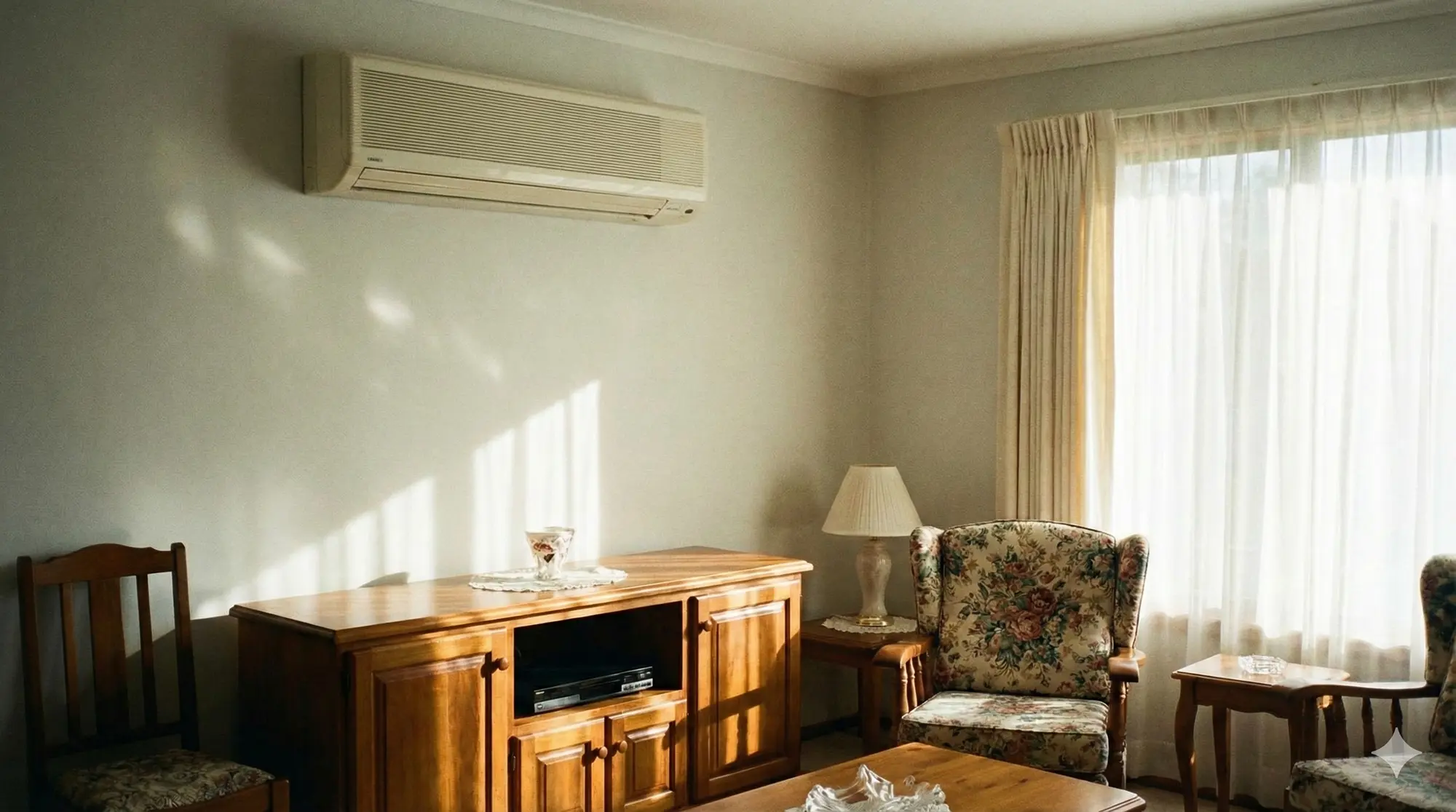
Agree on interior glass and track cleaning. Exterior windows at height require safe specialist access and may be excluded. Balconies can hold construction dust, leaves, and drain debris, but a blocked drain or cracked waterproofing is not simply a cleaning task. Ask the provider to report concerns rather than forcing water into a questionable drain. For an aircon left by the previous occupant, note its condition and service history.
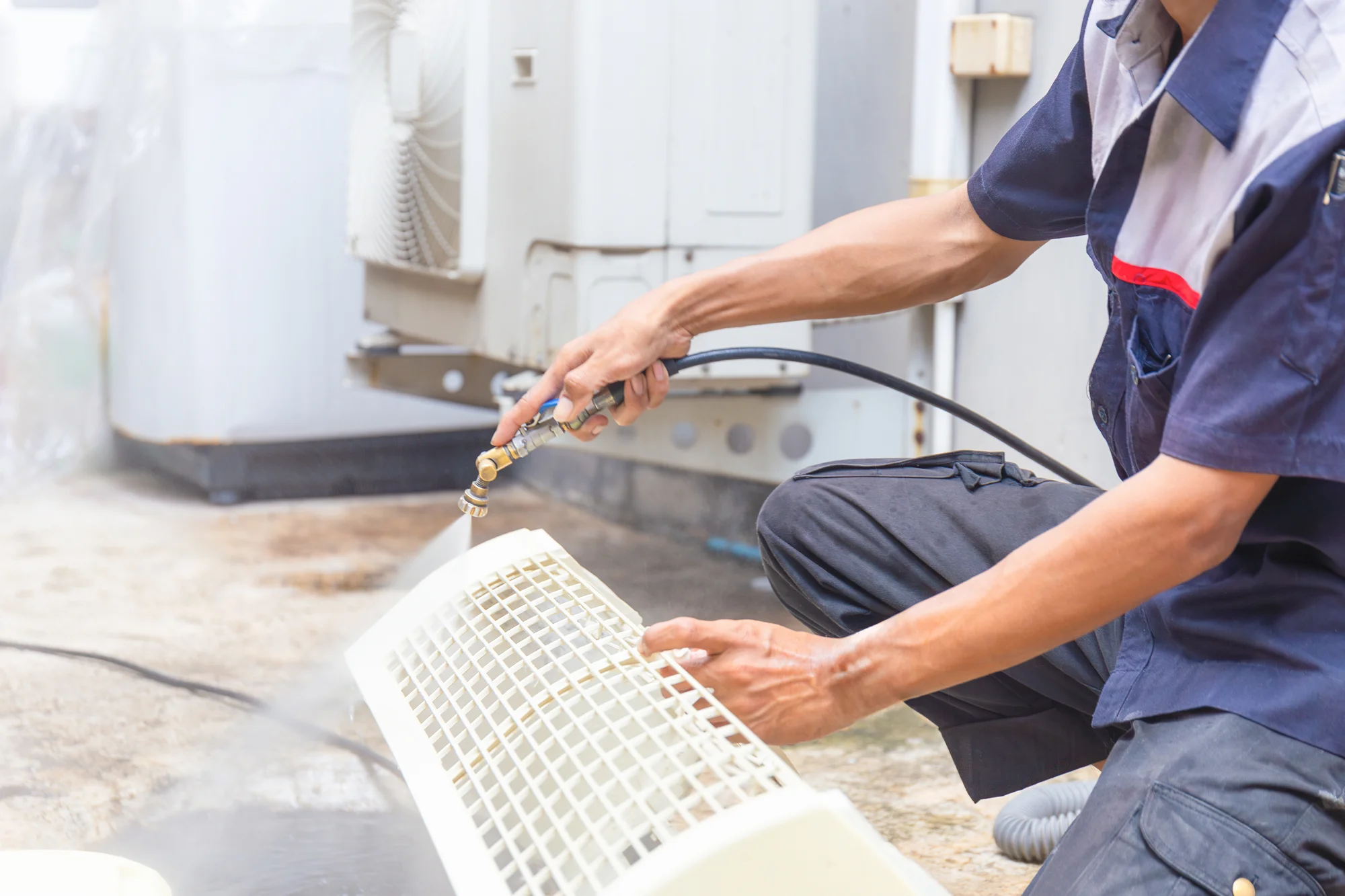
The aircon cleaning service can be booked separately if the unit needs professional attention. Do not make a cleaner dismantle a system under a general room-cleaning quote. A technician should inspect leaks, abnormal noise, or cooling failures.
Quote and scheduling questions
Send photos, floor area, room and bathroom count, furnished or empty status, target date, last occupancy date, and the exact task list. Ask for crew size, expected hours, supplies, travel, taxes, and exclusions. State whether the provider must finish before a landlord inspection or before movers arrive. Arrange a buffer; booking the cleaner and mover for the same hour creates congestion and rushed checks.
Ask who can approve extra tasks and how a changed price will be documented. A fixed quote should describe the condition on which it is based. Heavy debris, extensive grease, or post-renovation residue may justify a revised scope, but it should be discussed before work starts. For a routine one-off refresh, the one-time cleaning page provides another option.
Handover inspection
Walk through every included room before the crew leaves. Open included cabinets, view floors from different angles, and check the bathroom and kitchen task list. Take final photos and note areas that could not be accessed or stains that could not safely be removed. For move-out, keep the receipt and share only appropriate records with the property manager. For move-in, report defects promptly before belongings obscure them.
A smooth move is a sequence: document the condition, finish repairs and debris removal, clean the empty space, inspect the work, then move belongings or hand over keys. Two properties and two different goals may require two separate bookings. Planning those visits reduces repeated work and leaves a clearer record for everyone involved.
Build a timeline for two properties
If you are leaving one home and entering another on the same day, draw a timeline with separate key handovers, mover access, cleaning slots, and inspection windows. Avoid promising a new landlord the old keys before the move-out cleaner has finished and you have photographed the result. Likewise, do not schedule the move-in team after movers have filled every room with boxes. If dates are fixed, prioritize essential areas and plan a second visit instead of expecting one crew to work in two places at once.
Share the timetable with the property manager and cleaning provider. Identify who can sign off each location and who handles a delay. A simple written schedule protects deposits, reduces waiting charges, and makes the day easier for a household with children or pets. Keep the address and building entry instructions for each booking clearly separated.
When comparing providers, send separate photographs of the old and new properties. Identify whether each is furnished, how many bathrooms and cabinets need interior cleaning, and the exact key handover times. Do not assume the same crew can travel between two addresses without a buffer. A provider can then quote each visit accurately and tell you whether both fit on the same day. Clear logistics can save more stress than a small discount on a combined booking.
Frequently Asked Questions
Can cleaners collect keys from a guard?
Arrange written authorization and confirm the provider accepts it.
Should I leave electricity connected?
Yes, if safe and possible; confirm the provider’s needs.
Can a landlord require a particular provider?
Check the lease and building rules before booking.
Will cleaners pack my belongings?
Only if packing is expressly included in the quote.
Can I inspect remotely?
Ask for photos or a video call and an authorized on-site contact.