In the humid and often scorching climate of the Philippines, a reliable air conditioning unit is not just a luxury; it’s an essential appliance for comfort and productivity. As you shop for a new AC, you’ll inevitably face a major decision: should you choose an inverter or a non-inverter air conditioner?
This question is at the heart of modern cooling technology, and the answer can have a significant impact on your comfort, your wallet, and the environment. This comprehensive guide will break down the key differences between these two types of air conditioners, exploring their advantages, disadvantages, and long-term cost implications. By the end, you’ll be equipped to make an informed decision that’s right for your home or business.
What is a Non-Inverter Aircon?
A non-inverter air conditioner is the traditional type of AC system that has been in use for decades. Its technology is straightforward: the compressor operates at a fixed speed. When you turn the unit on and set a desired temperature, the compressor runs at full power until the room reaches that temperature. Once the room is cool enough, the compressor completely shuts off. When the temperature rises again, the compressor kicks back on at full power. This process of constantly cycling on and off is what defines a non-inverter unit.
Advantages of Non-Inverter Aircon
The simplicity of non-inverter technology offers a few key benefits that still make it a viable option for some consumers.
1. Lower Initial Cost
The most significant advantage of a non-inverter aircon is its affordable price. Because its technology is simpler and its components are less complex, the initial purchase price is considerably lower than that of an inverter model. For buyers on a strict budget, this can be a major deciding factor.
2. Simpler to Repair
With its less complex technology, non-inverter units are often easier and cheaper to repair. The parts are more readily available, and more technicians are familiar with the system, which can lead to lower labor costs for repairs.
Disadvantages of Non-Inverter Aircon
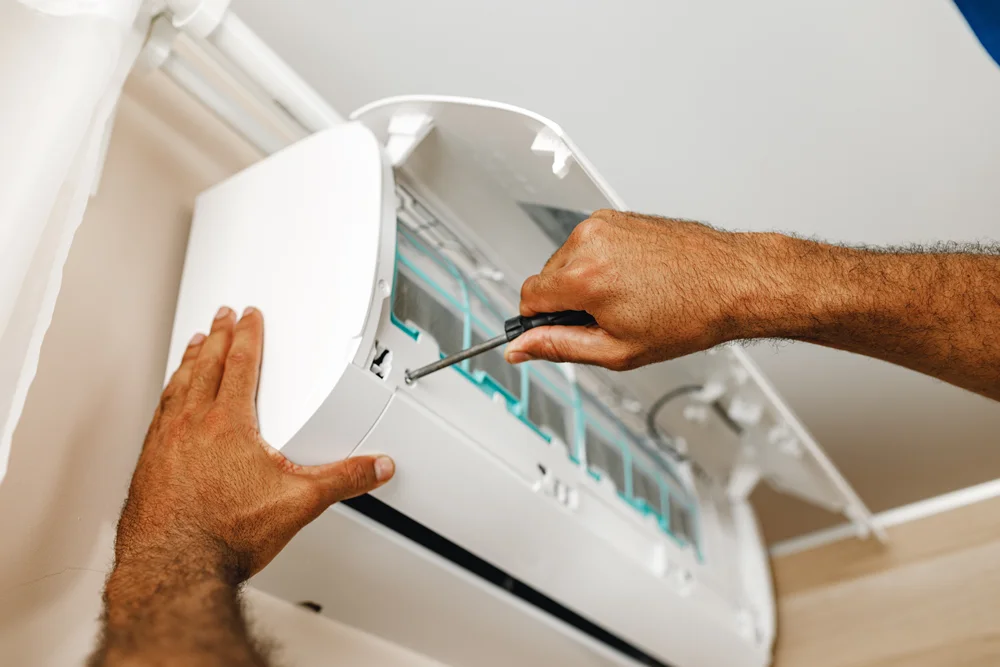
The simplicity of non-inverter technology also comes with some significant drawbacks, particularly in a climate like the Philippines.
1. High Energy Consumption
This is the biggest disadvantage. The constant cycling on and off of the compressor requires a surge of power each time it restarts. This stop-and-go operation is highly inefficient and leads to higher electricity consumption and, consequently, a higher electricity bill.
2. Inconsistent Cooling
Since the compressor runs at full power until the desired temperature is reached and then turns off, the room’s temperature can fluctuate. This can result in a less comfortable cooling experience, as you might feel a noticeable change in temperature when the unit turns on and off.
3. Shorter Lifespan
The constant starting and stopping of the compressor puts a lot of stress on the unit’s components. This wear and tear can shorten the air conditioner’s overall lifespan, leading to more frequent repairs and a sooner need for replacement.
What is an Inverter Aircon?
An inverter air conditioner is a modern cooling system with a more advanced compressor technology. Unlike a non-inverter unit, the compressor in an inverter AC does not turn on and off completely. Instead, it adjusts its speed and power to match the cooling needs of the room.
When you turn the unit on, the compressor runs at full power to quickly cool the room. As it approaches the desired temperature, the compressor slows down, running just enough to maintain the set temperature without shutting off. This allows for a continuous, low-power operation that is much more efficient.
Advantages of Inverter Aircon
The advanced technology of inverter air conditioners offers a wide range of benefits that make them a smart long-term investment.
1. Superior Energy Efficiency
This is the most compelling reason to choose an inverter AC. The ability of the compressor to adjust its speed means it avoids the power surges that occur with a non-inverter’s constant cycling. This results in significantly lower electricity consumption—often a 30% to 50% reduction—which translates to substantial savings on your monthly electricity bill.
2. Consistent and Comfortable Cooling
Because the compressor never fully shuts off, it maintains a constant temperature in the room. This provides a more comfortable and consistent cooling experience, free from the temperature swings and noise that characterize non-inverter units.
3. Quieter Operation
The continuous, low-speed operation of the inverter compressor produces much less noise than the constant starting and stopping of a non-inverter. This makes inverter air conditioners ideal for bedrooms, offices, and any space where a quiet environment is valued.
4. Extended Lifespan
The reduced stress on the compressor, due to its continuous and stable operation, helps to extend the overall lifespan of the unit. This means you’ll get more years of reliable service from your AC and won’t have to worry about replacing it as frequently.
Disadvantages of Inverter Aircon
While the benefits are clear, there are a few drawbacks to consider before making the investment.
1. Higher Initial Cost
The most significant disadvantage is the higher upfront cost. The more advanced technology and components make inverter air conditioners more expensive to purchase than non-inverter models.
2. More Complex to Repair
The sophisticated electronics and components of an inverter unit can make repairs more complex and costly. Not all technicians may be equipped to handle the technology, and replacement parts can be more expensive.
The Economics: A Long-Term Investment
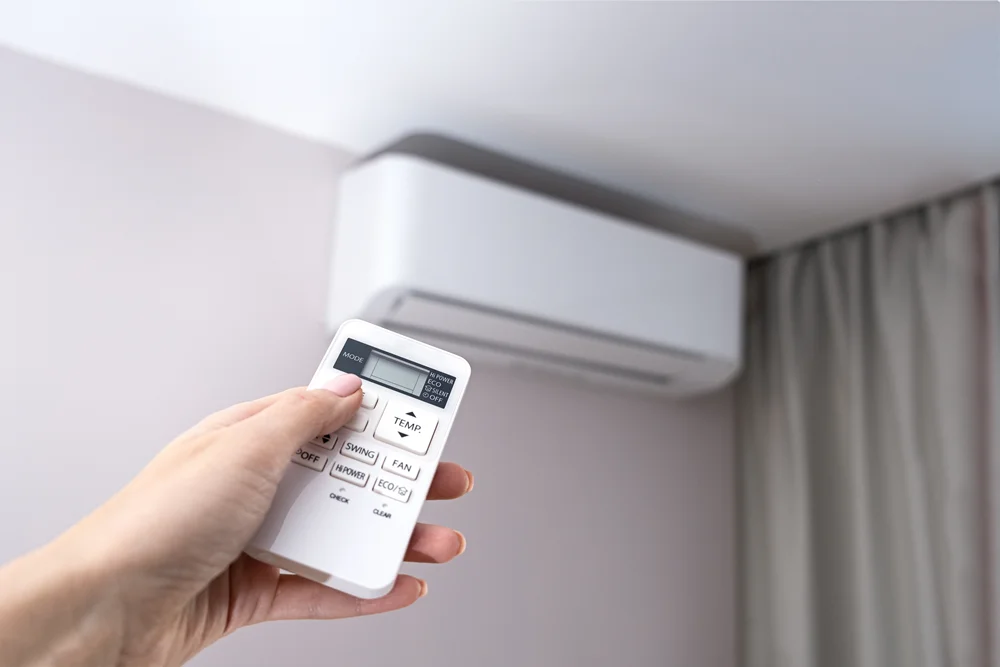
When comparing inverter and non-inverter air conditioners, the decision often comes down to a simple question of economics: Is the higher initial cost of an inverter AC worth the long-term savings on electricity?
Let’s do a simple comparison. A non-inverter AC might be PHP 5,000 to PHP 10,000 cheaper upfront. However, an inverter AC can reduce your electricity consumption by 30% to 50%.
For example, if you spend PHP 2,000 a month on electricity to run your non-inverter AC, an inverter model could potentially cut that down to PHP 1,000 to PHP 1,400. That’s a monthly savings of PHP 600 to PHP 1,000. In a single year, you could save anywhere from PHP 7,200 to PHP 12,000 on your electricity bill. This means that the higher initial cost of the inverter AC can be recouped in as little as one to two years, and every year after that is pure savings.
In the long run, the financial benefit of an inverter AC is undeniable. It’s a classic case of paying more now to save a lot more later.
Which is Better for You in the Long Run?
While both types of air conditioners have their place, the inverter aircon is the clear winner for long-term use.
- For the average Filipino household that uses their aircon frequently, the energy savings alone make the inverter AC a far more economical and responsible choice. The long-term savings on electricity will quickly cover the initial cost difference, and you’ll enjoy a more consistent and comfortable cooling experience.
- For business owners, the choice is even clearer. The reduced operating costs and a quieter environment can directly contribute to a more profitable and productive workspace.
The only scenario where a non-inverter AC might be a better choice is for very infrequent use, such as in a guest room that is only used a few times a year. In this case, the long-term savings may not be as significant.
The Final Verdict
While a non-inverter aircon is still a decent option for short-term, infrequent use, an inverter air conditioner is the smarter, more economical, and more comfortable choice in the long run. Its energy efficiency, quiet operation, and superior cooling make it a worthwhile investment that will pay for itself over time.
No Time to Clean Your Aircon? Cleaning Services PH is Here to Help.
Whether you choose an inverter or a non-inverter unit, proper maintenance is key to its performance and efficiency. At Cleaning Services PH, we understand the importance of a clean aircon for your family’s health and your unit’s longevity. Our team of professionally trained technicians is skilled in handling all types and brands of air conditioners, including complex inverter systems. We use the latest equipment and techniques to deliver a deep, thorough clean that a simple DIY job can’t match. We’ll handle the dirt and grime, so you can enjoy a healthier and more comfortable home.
Don’t let a dirty aircon compromise your family’s health or your unit’s performance. Book a professional aircon cleaning service with Cleaning Services PH today. Call us at 09690965774 or email us at hello@cleaningservices.ph.