One dining set can combine upholstered seats, cane backs, wood frames, and coated metal legs. Remove crumbs first, then clean each material under its own care instructions. Keep moisture out of joints and woven sections. For fabric spots, the upholstery stain guide helps you decide what to test.
Quick cleaning checklist
- Map the seat, frame, and woven components separately.
- Inspect joints before moving chairs.
- Remove crumbs before any damp treatment.
- Test permitted fabric treatment away from view.
- Return cushions only after the required drying checks.
Make a material map of the chair
Look at the seat, back, legs, joints, and underside separately. A chair described as wooden may have a fabric cushion, cane insert, painted frame, and metal fixings. Each needs its own care decision. Find the purchase information or manufacturer’s instructions before using a general spray across the entire piece.
Also, distinguish natural woven cane from a synthetic weave. They may look similar but have different moisture and product limits. If seat covers are removable, confirm whether washing is allowed; a zipper alone does not establish that. Label loose cushions discreetly if chairs differ so they return to their original frames. A simple material map is particularly useful when a household has collected mismatched chairs over time or uses folding spare seats during family gatherings.
Check stability and existing damage
Before cleaning, inspect for loose joints, a rocking frame, split cane, torn seams, and missing protective feet. Record the condition without testing it by climbing onto the chair or applying extra weight. A cleaning task cannot repair a failed joint, and wet treatment may complicate an already fragile area.
Note marks under normal dining-room light. Food residue, worn finish, scratches, and dye transfer need different expectations. Photograph anything likely to remain. Do not promise that washing will restore a sun-faded seat to match the others. If a chair has structural damage, keep it out of use and seek suitable repair advice. Discuss that separately from cleaning. A provider should know which chair can be handled normally and which should receive only a limited surface inspection until repair is arranged.
Prepare a clean work area
Clear the table and nearby floor so chairs can be moved without scraping the legs. Use suitable floor protection, especially on wood, laminate, or stone. Move one chair at a time and lift where practical rather than dragging it. Do not stack heavy dining chairs in a narrow hallway to create temporary workspace.
Remove approved loose cushions and collect crumbs into a waste container. Keep food-preparation tools and children’s belongings away from the cleaning area. If a product requires ventilation or protective equipment, arrange that before opening it. For a condo dining nook, reserve a place where any treated fabric can remain untouched while drying. Plan meal seating in advance rather than putting a damp cushion back because dinner is ready. Good access keeps the job controlled even when the room is small.
Remove dry soil before spot cleaning
Use a suitable vacuum attachment or soft brush according to the seat material. Work gently around seams, tufting, woven openings, and the junction between seat and back. Keep the tool clean so it does not bring grit from the floor onto upholstery or polished wood.
Collect crumbs beneath removable cushions, but do not open fixed upholstery to reach farther inside. For cane, avoid dragging a rough nozzle across delicate strands. For hard seats, lift loose grit before wiping so particles do not scratch the finish. Inspect the underside only where safely accessible without balancing the chair precariously. Dry-soil removal is a separate stage from stain treatment. It may improve appearance noticeably, yet an old grease mark on fabric still needs a compatible method and realistic expectations about what can be removed.
Treat fabric seats by their care instructions
Find the upholstery directions and test any permitted cleaner in a hidden place. Let the test dry completely before evaluating color transfer, rings, stiffness, or changed texture. Use the approved amount and method rather than soaking the seat to flush a stain. Padding and backing may retain moisture even when the top feels nearly dry.
Avoid aggressive rubbing that can spread a food mark or damage the pile. Explain known spill sources and previous products to an upholstery provider. If the fabric bleeds, shrinks, or changes appearance, stop treatment. The site’s upholstery cleaning service is relevant for discussing chair-specific assessment. Do not assume a method used on a washable tablecloth is suitable for a fixed seat cushion with adhesive and padding underneath.
Give cane and natural woven seats gentle care
Natural woven material needs careful dust removal and moisture control. Follow its care instructions for any damp wiping, and avoid saturating the weave or joints. Do not pressure-wash a chair, leave it soaking, or apply an oil because another piece of furniture benefited from it.
Inspect for broken strands before brushing. A split weave needs repair rather than hard scrubbing. Keep food and drink spills from pooling in the seat, and handle them using the maker’s approved method. Dry under the permitted conditions, without improvising intense heat or prolonged harsh sunlight. If the chair contains both cane and fabric, protect the neighboring material during treatment. What looks like a small seat can have several vulnerable layers, and careless rinsing may create damage that is not visible until the chair has dried.
Wipe hard seats and frames according to their finish
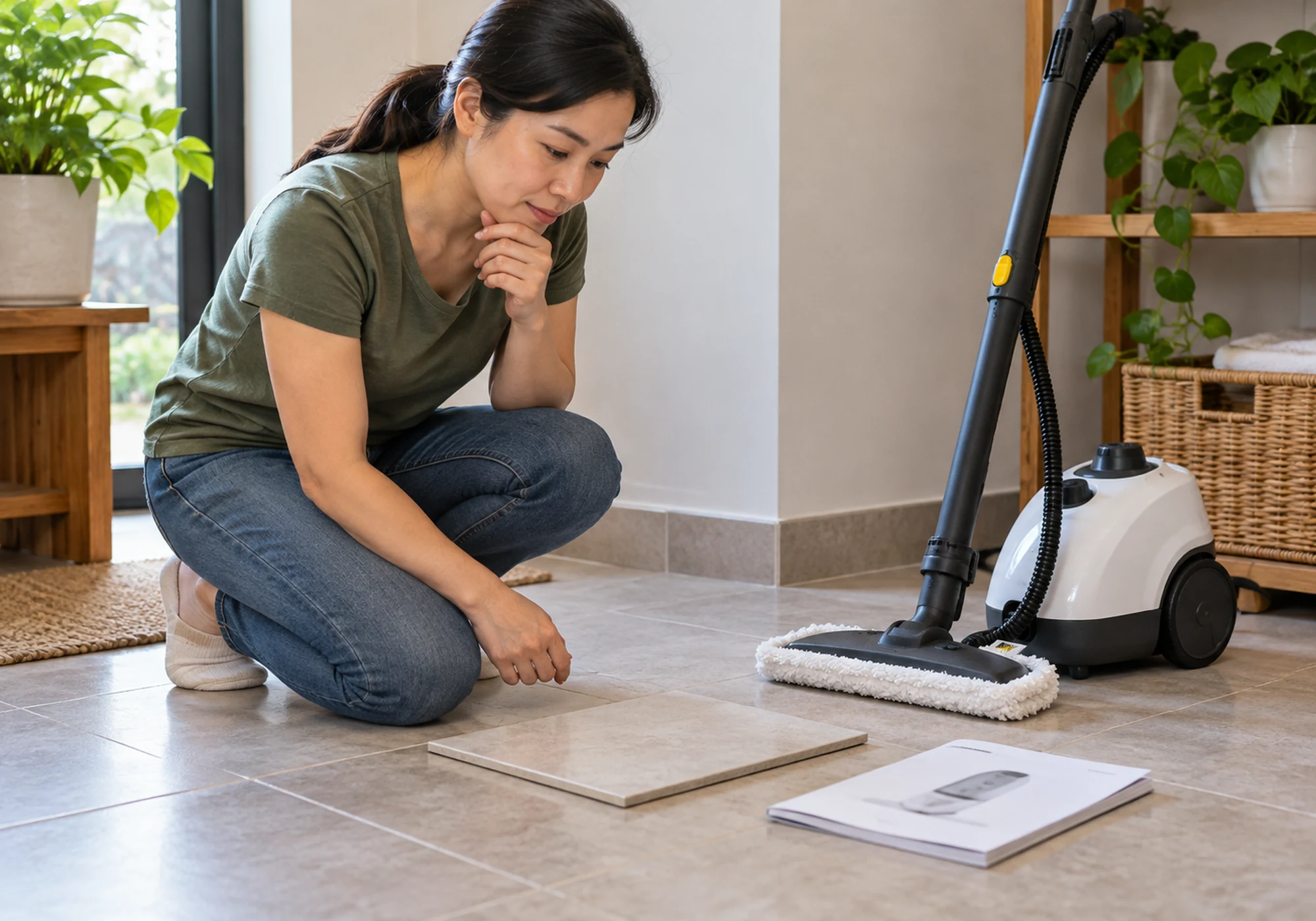
Wood, painted surfaces, plastic, and coated metal should receive compatible products and tools. Start with a soft cloth and controlled moisture where allowed. Keep liquid from collecting in joints, screw holes, and exposed board edges. Remove product residue as required by the label or care instructions.
Do not use a rough pad to erase every scratch: a mark may be finish damage. Likewise, avoid treating rust, peeling paint, or a sticky degraded coating as ordinary dirt. Request material or repair advice where needed. The guide to caring for stone, wood, and laminate finishes can help frame the wider room’s cleaning approach. However, the chair’s own finish instructions should determine its treatment. Keep any polish away from fabric and from surfaces where it could transfer to clothing.
Set a useful service scope and final inspection
Count the chairs and describe each material when requesting home cleaning or separate upholstery work. Include the underside, legs, backrests, and cushions only where explicitly agreed. Disclose fragile weaving and structural defects. Ask about testing and drying before accepting a method.
After cleaning, inspect under normal room lighting and compare the chairs without assuming they will all look identical. Check that loose cushions are correctly returned, the floor is dry, and no chair awaiting repair has been put back into use. Record any remaining wear marks. A defined result is easier to review than a request to make all chairs look new. It also helps a provider allocate enough time to detailed joints and mixed materials instead of rushing through the seat surfaces alone.
A practical sequence after a family gathering
Suppose the dining set includes four upholstered chairs and two cane spare chairs. First, clear crumbs and identify any fresh spill without wiping it across neighboring fabric. Move the cane chairs to their own protected area and use only their approved routine. Keep upholstery treatment separate, with tests where needed.
As the chairs dry or await assessment, clean the surrounding floor using its material-safe method. Do not return damp seats immediately just to restore the room’s appearance. If one chair has a loose joint, label it as unavailable and arrange repair. This sequence handles the actual condition of each piece rather than applying one strong spray to the whole set. It also gives the household a practical way to maintain chairs between larger dining-room cleaning visits.
Frequently Asked Questions
Can I replace chair glides with any size?
Choose glides compatible with the legs and floor, following the furniture supplier’s advice.
Should spare upholstery fabric be kept?
Yes. Label it and store it dry for possible repairs.
Can dining chairs be rented for an event?
Check the supplier’s condition, delivery, and cleaning arrangements before booking.
Can I sell a mixed dining set?
Provide accurate measurements and disclose repairs or remaining marks.
Can I order an extra chair to match an older set?
Ask the supplier about model availability, finish changes, and possible color differences.